A Comprehensive Guide to Thermal Imaging for Machinery Maintenance


Understanding Thermal Imaging
Thermal imaging is a powerful tool in machinery maintenance, offering a non-invasive way to detect issues before they become serious. By capturing the infrared radiation emitted by objects, thermal cameras create visual representations of heat distribution. This technology helps identify overheating components, enabling timely intervention.
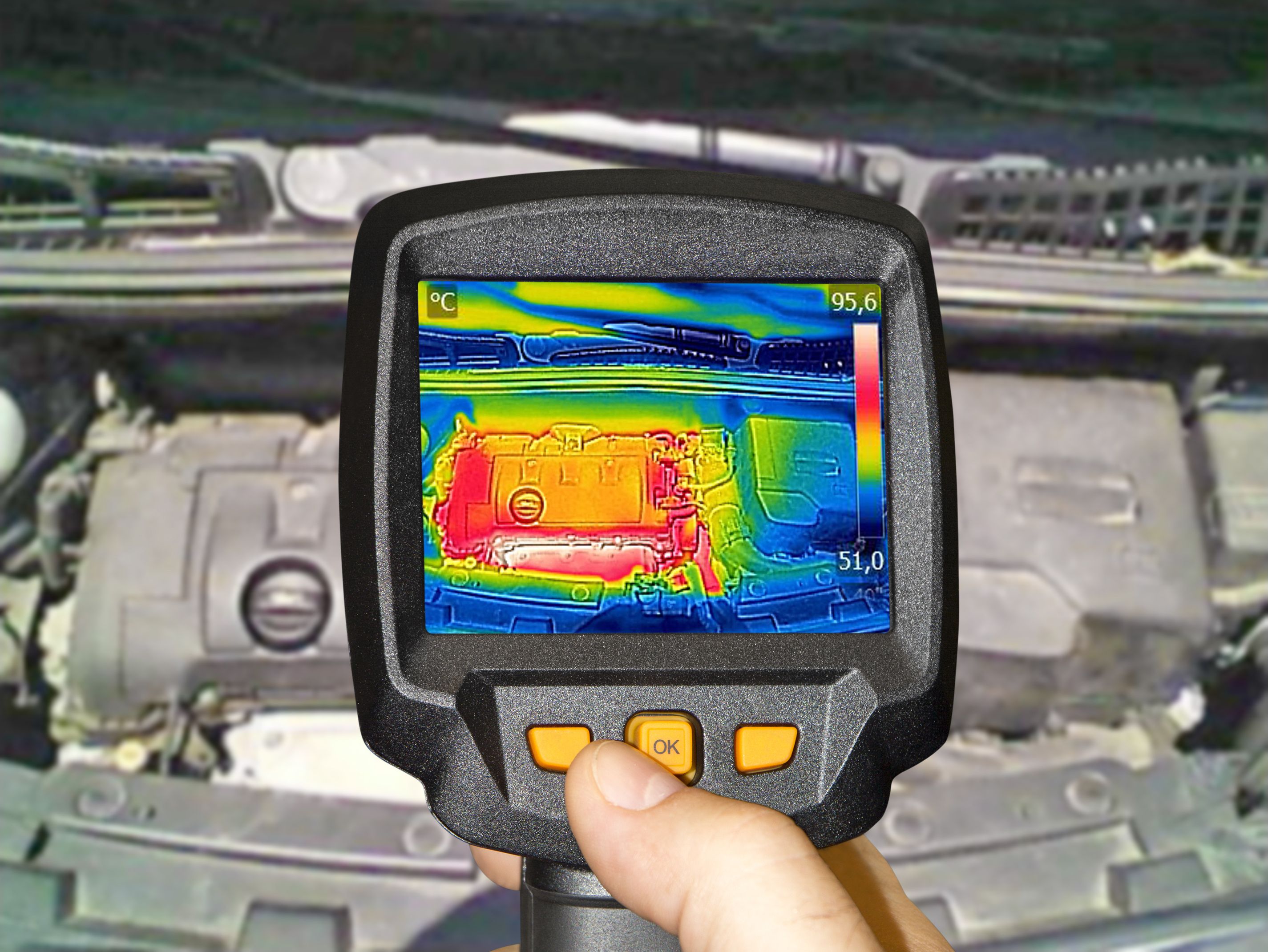
The primary advantage of using thermal imaging lies in its ability to provide a real-time, comprehensive view of equipment health. This proactive approach allows maintenance teams to address potential failures, reducing downtime and extending machinery lifespan.
How Thermal Imaging Works
Thermal cameras detect infrared radiation and convert it into visible images. These images highlight temperature variations, with different colors representing different heat levels. This visualization makes it easier to pinpoint areas of concern, such as hotspots or abnormal heat patterns.
In machinery maintenance, identifying these anomalies is crucial. Excessive heat can indicate potential issues like friction, electrical faults, or mechanical failures. By catching these early, technicians can perform targeted maintenance, saving time and resources.
Benefits of Thermal Imaging in Maintenance
Thermal imaging offers several benefits in the context of machinery maintenance. One of the most significant advantages is its non-contact nature. Technicians can assess equipment without needing to shut it down, ensuring continuous operation and minimizing disruption.

Additionally, thermal imaging allows for the detection of problems that are invisible to the naked eye. This capability is particularly useful in complex systems where traditional inspections might miss subtle issues. As a result, maintenance becomes more efficient and effective.
Applications in Different Industries
Thermal imaging is versatile and applicable across various industries. In manufacturing, it helps monitor production lines, ensuring components operate within safe temperature ranges. In the energy sector, it aids in assessing the condition of transformers and electrical panels.
Moreover, thermal imaging is invaluable in the automotive industry. It assists in diagnosing issues with engines, brakes, and other critical systems, enhancing vehicle reliability and safety.
Implementing Thermal Imaging in Your Maintenance Strategy
Integrating thermal imaging into your maintenance strategy involves a few key steps. First, invest in a quality thermal camera suitable for your specific needs. Consider factors like resolution, range, and ease of use when selecting equipment.
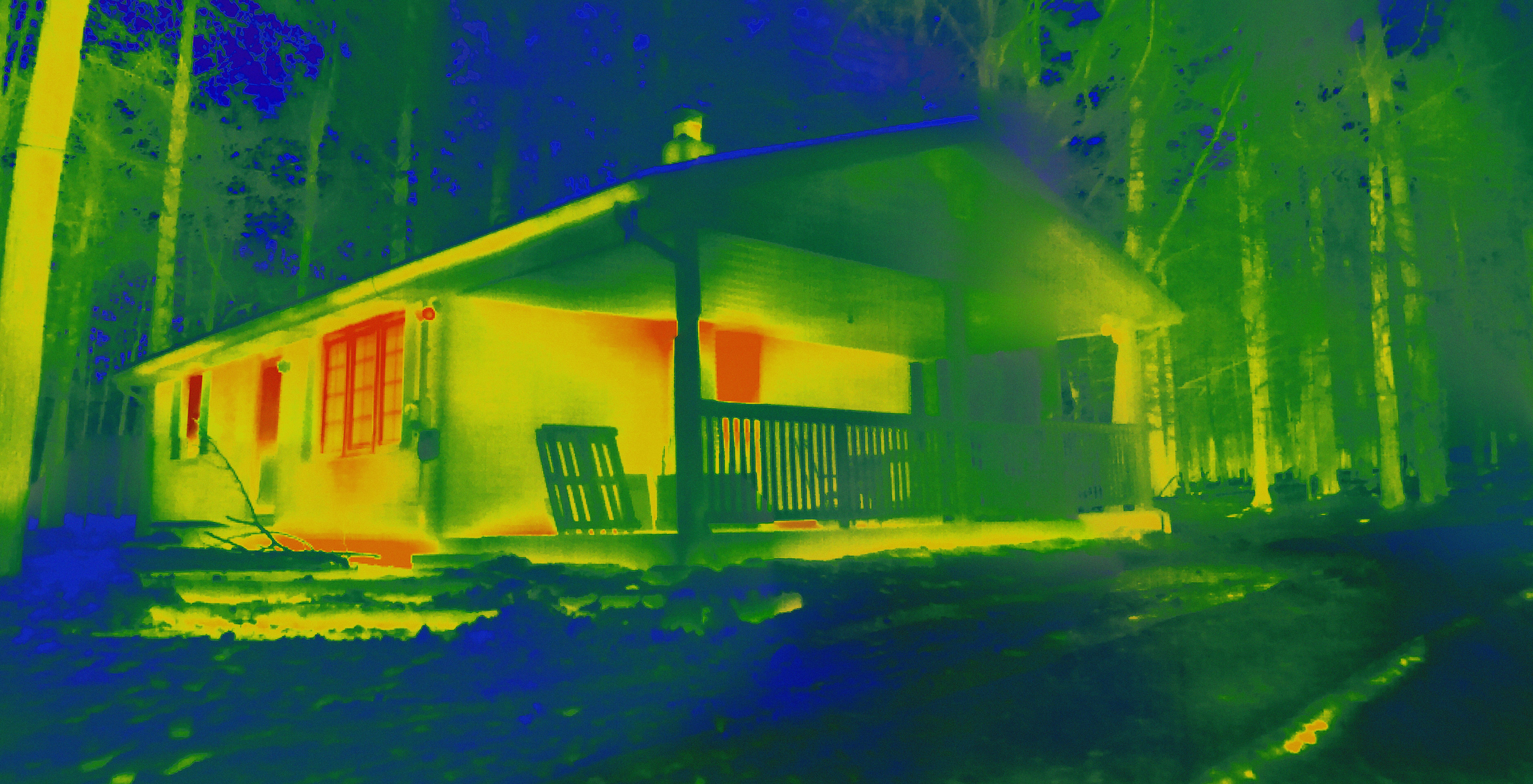
Next, train your maintenance team to interpret thermal images accurately. Understanding the nuances of heat signatures and patterns is essential for effective diagnosis and problem resolution.
Conclusion
Thermal imaging is a transformative technology for machinery maintenance, offering a proactive approach to problem-solving. By identifying issues early, businesses can avoid costly repairs and downtime, ultimately improving operational efficiency.
As industries continue to embrace technological advancements, integrating thermal imaging into maintenance practices will become increasingly vital. Its ability to provide detailed, real-time insights makes it an indispensable tool for any maintenance team.