Benefits of Thermal Imaging in Construction Projects


Understanding Thermal Imaging in Construction
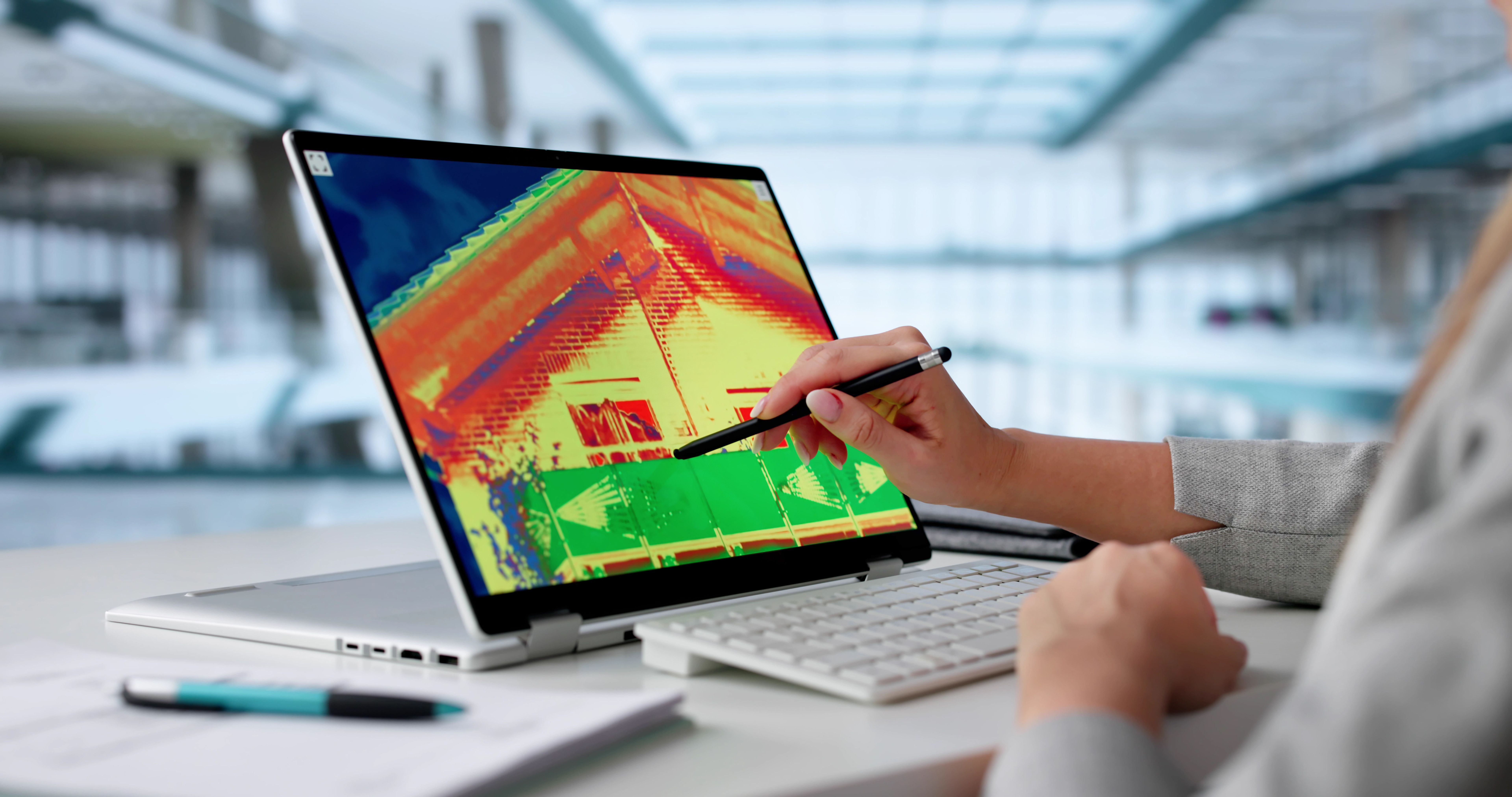
Thermal imaging, also known as infrared thermography, has become a pivotal technology in the construction industry. By using infrared cameras, professionals can detect heat patterns and energy loss, providing critical insights into a building's structure and systems. This non-invasive technique has transformed the way projects are managed, offering a host of benefits that enhance efficiency and safety.
Enhancing Energy Efficiency
One of the primary benefits of thermal imaging is its ability to identify energy inefficiencies. By detecting areas where heat is escaping, such as poorly insulated walls or roofs, construction professionals can make informed decisions about where improvements are needed. This not only reduces energy consumption but also lowers operating costs for building owners.
With thermal imaging, contractors can create more energy-efficient buildings, aligning with modern sustainability standards. This technology ensures that every corner of a structure is optimized, leading to long-term savings and a reduced environmental footprint.
Detecting Structural Issues
Thermal imaging can reveal hidden structural problems that are not visible to the naked eye. Moisture intrusion, electrical faults, and HVAC system leaks are just a few examples of issues that thermal cameras can uncover. By identifying these problems early, project managers can prevent costly repairs and maintain the integrity of the building.
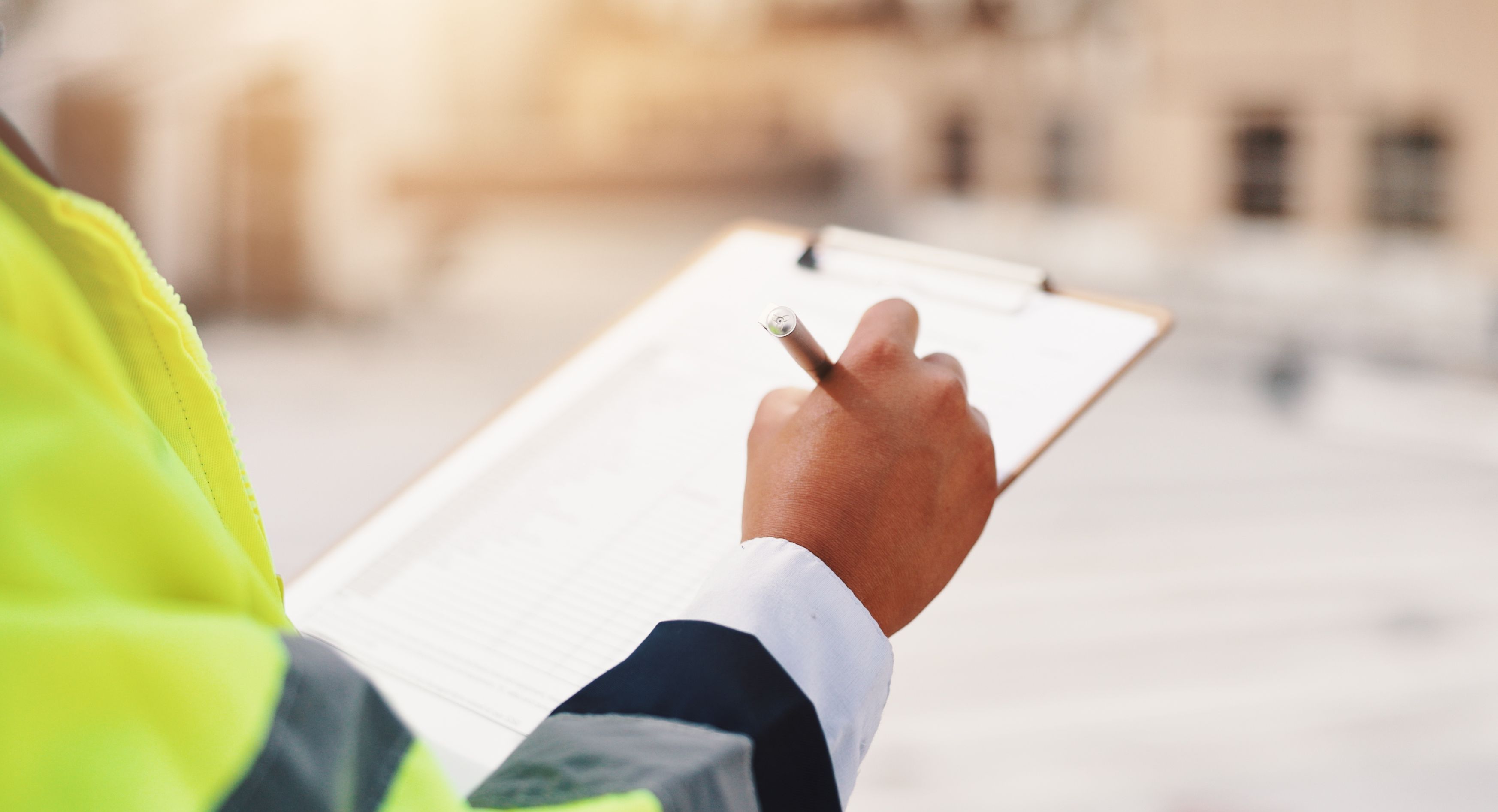
In addition to detecting existing issues, thermal imaging helps in verifying the quality of construction work. It ensures that installations are correctly executed, providing peace of mind to both builders and clients.
Improving Safety Standards
Safety is a top priority on any construction site, and thermal imaging plays a crucial role in enhancing it. By identifying overheating electrical components or potential fire hazards, this technology helps in preventing accidents and ensuring a secure working environment.
Furthermore, thermal imaging can be used for monitoring equipment, ensuring that machinery operates within safe temperature ranges. This proactive approach reduces the risk of equipment failure and related injuries.
Streamlining Maintenance Processes
Thermal imaging is not just beneficial during construction; it is also an essential tool for ongoing maintenance. Regular thermal scans can help in identifying wear and tear before it leads to major issues. This predictive maintenance approach allows for timely interventions, minimizing downtime and extending the lifespan of building components.
By incorporating thermal imaging into routine maintenance schedules, property managers can ensure that their buildings remain in top condition, providing a safe and comfortable environment for occupants.
Conclusion
Thermal imaging has become an indispensable part of modern construction projects. Its ability to enhance energy efficiency, detect structural issues, improve safety, and streamline maintenance processes makes it a valuable tool for builders and property owners alike. As technology continues to advance, the applications of thermal imaging in construction are likely to expand, offering even more innovative solutions for the industry.