Case Study: Enhancing Efficiency in Queensland Solar Farms with Drone Thermography


Introduction to Drone Thermography in Solar Farms
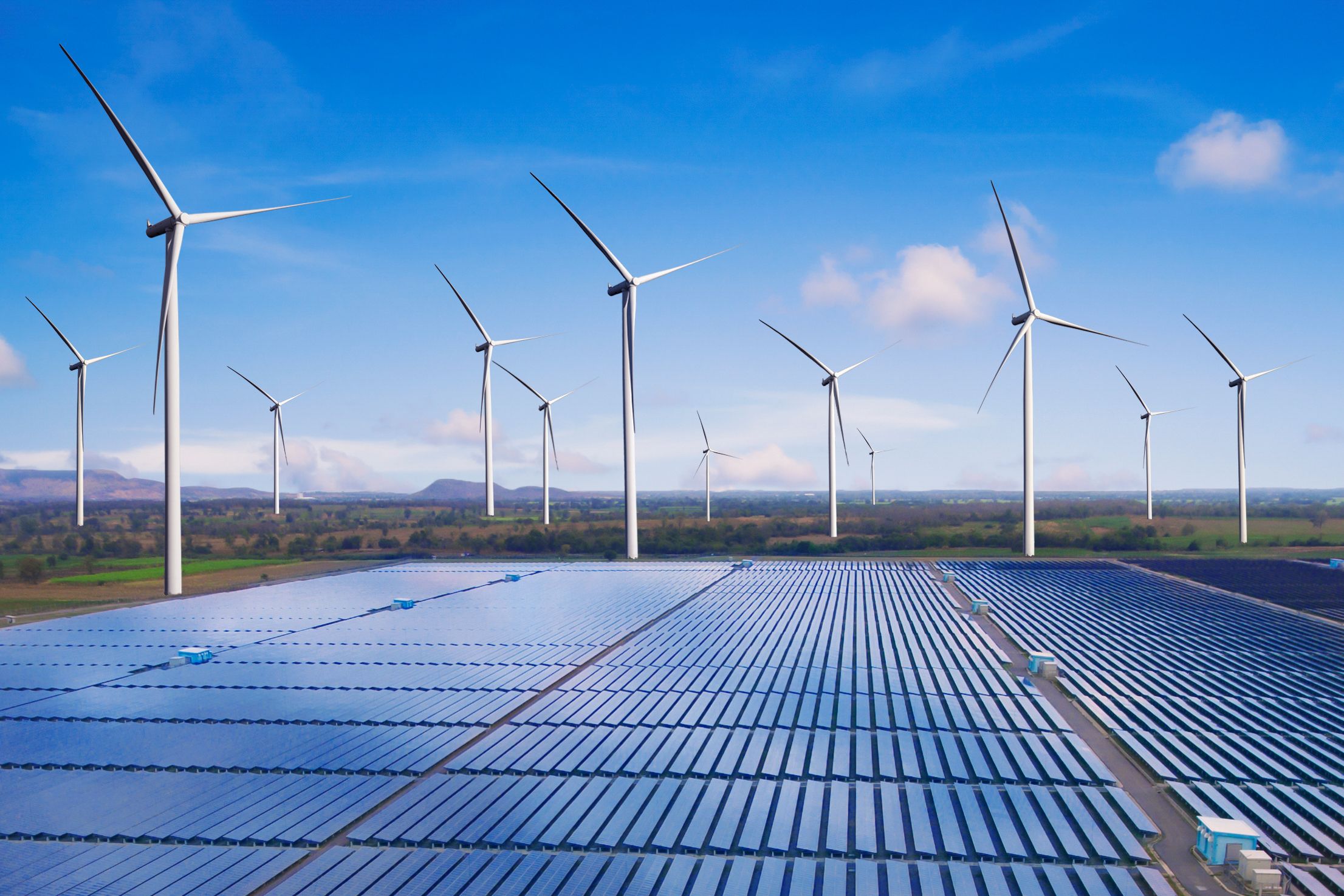
As solar energy continues to rise in prominence, the need for efficient maintenance and management of solar farms becomes increasingly crucial. In Queensland, a pioneering approach using drone thermography has been implemented to enhance the efficiency of these renewable energy sites. This case study explores how this innovative technology is revolutionizing solar farm operations.
The Role of Drones in Solar Farm Maintenance
Traditionally, solar farm maintenance relied on manual inspections, which were often time-consuming and prone to human error. Drones equipped with thermal cameras now provide a faster, more accurate method for identifying issues such as faulty panels or electrical anomalies. This technological advancement significantly reduces downtime and maintenance costs.
By capturing high-resolution thermal images, drones can quickly pinpoint areas of concern. This allows maintenance teams to address problems promptly, ensuring that solar farms operate at maximum efficiency. The use of drone technology in this context is not only innovative but essential for the growth of solar energy.
Benefits of Drone Thermography
The integration of drone thermography into solar farm operations offers numerous benefits. Below are some of the key advantages:
- Enhanced Efficiency: Drones can cover large areas quickly, providing comprehensive data in a fraction of the time taken by manual inspections.
- Improved Accuracy: Thermal imaging detects issues that might be invisible to the naked eye, such as micro-cracks or hotspots in the panels.
- Cost-Effectiveness: Reduced labor and time costs translate into significant savings for solar farm operators.
Case Study: A Queensland Solar Farm
In a recent case study at a major solar farm in Queensland, the implementation of drone thermography resulted in a substantial increase in operational efficiency. Within weeks, maintenance teams identified and resolved numerous issues that would have otherwise gone unnoticed.
The case study highlighted not only the time savings but also an improvement in energy output. By addressing faults swiftly, the solar farm was able to optimize its energy generation, contributing more clean energy to the grid.
Challenges and Solutions
While the benefits are clear, the adoption of drone thermography is not without challenges. Initial costs and the need for skilled operators can be barriers for some solar farms. However, these challenges are being addressed through training programs and the decreasing cost of drone technology.

Moreover, regulatory aspects regarding drone flights are being streamlined, ensuring that solar farms can fully leverage this technology without bureaucratic hindrances. This proactive approach ensures that the transition to drone-assisted maintenance is smooth and effective.
Future Prospects
The success of drone thermography in Queensland's solar farms paves the way for broader adoption across Australia and globally. As technology continues to advance, the capabilities of drones in solar farm maintenance will only expand, offering even more sophisticated solutions.
In the future, we can anticipate drones equipped with artificial intelligence to analyze data in real-time, further enhancing the efficiency and reliability of solar energy production. The potential for growth in this area is immense, making it an exciting frontier for renewable energy.