Case Study: Success Stories in Drone Survey Applications for Solar Farms


Introduction to Drone Survey Applications
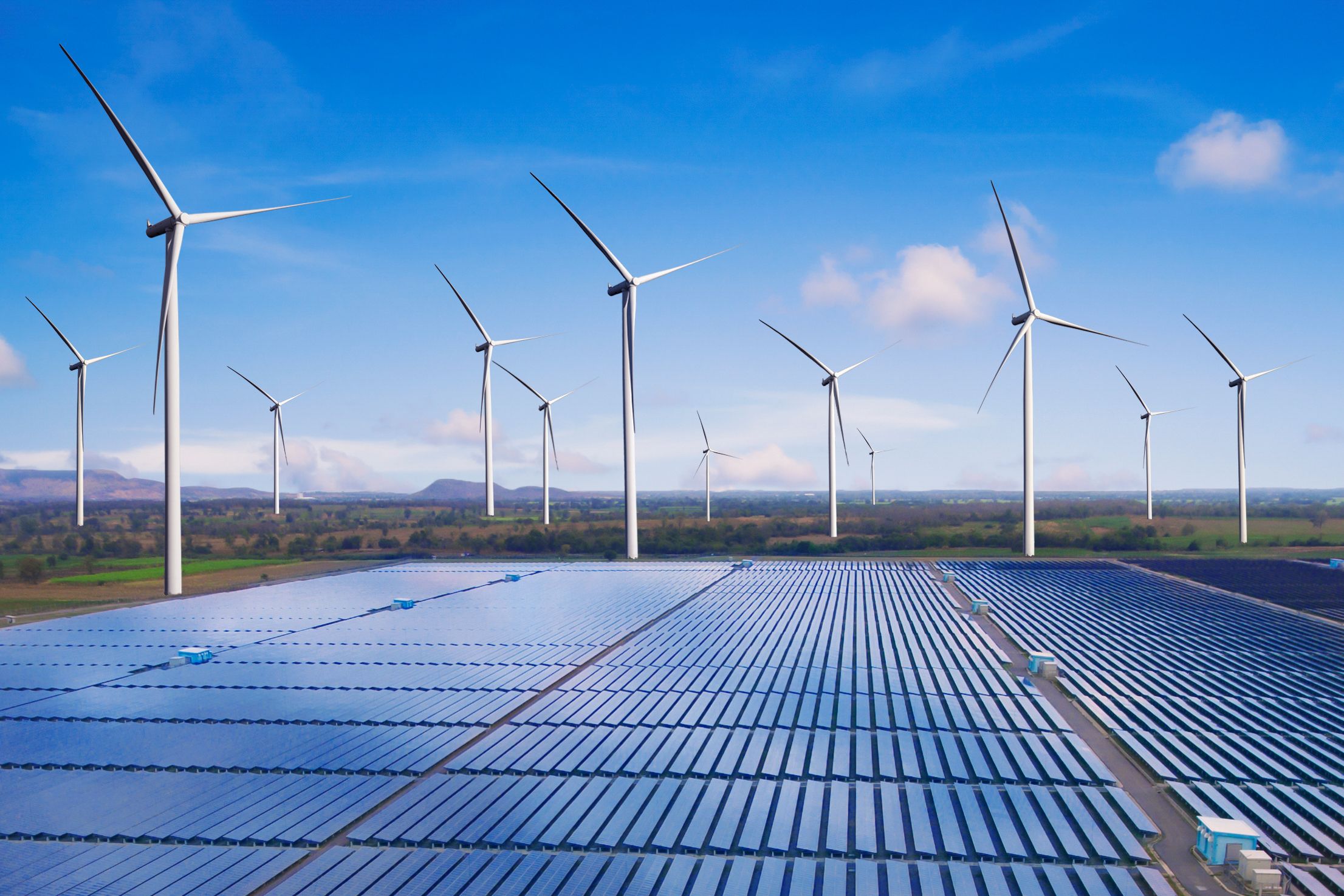
The use of drones in surveying has revolutionized various industries, and solar farms are no exception. By leveraging drone technology, solar farms can achieve unparalleled efficiency and accuracy in their operations. This case study explores some of the success stories where drone surveys have made a significant impact.
Enhanced Accuracy and Data Collection
One of the most significant advantages of using drones is the enhanced accuracy they bring to data collection. Traditional surveying methods are often time-consuming and prone to human error. Drones, equipped with advanced sensors and cameras, provide precise data that helps in the accurate planning and maintenance of solar farms.
For example, a solar farm in California adopted drone technology for its surveying needs. The drones provided detailed topographical maps, helping engineers design more efficient panel layouts. This resulted in a 15% increase in energy production within the first year.
Cost and Time Efficiency
Implementing drone surveys can lead to significant cost savings. Traditional surveys require extensive manpower and equipment, whereas drones can cover large areas quickly and with fewer resources. This efficiency translates into reduced labor costs and shorter project timelines.
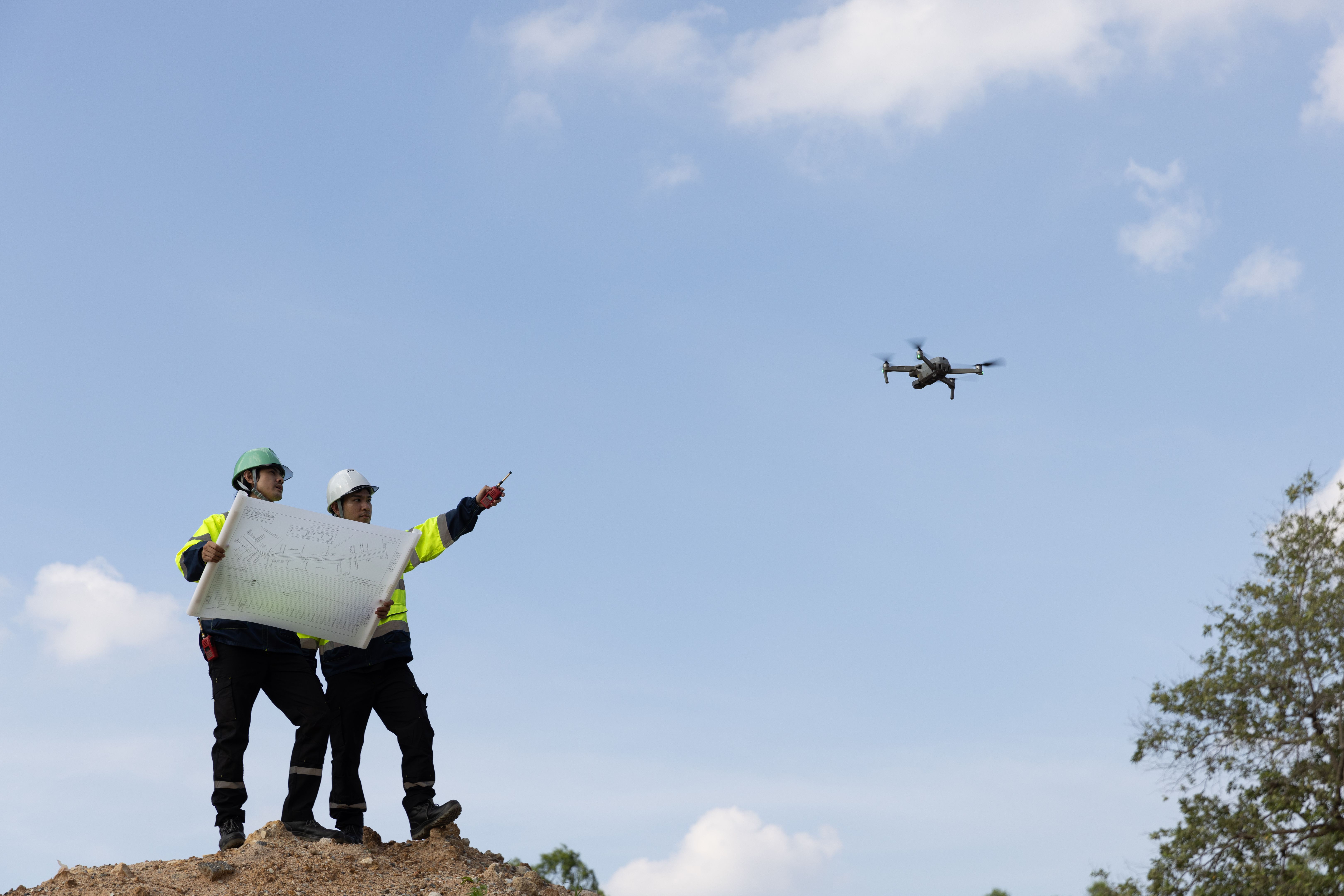
A solar farm in Spain reported a 30% reduction in survey costs after switching to drone technology. The speed and efficiency of data collection allowed the project to be completed ahead of schedule, boosting overall productivity and profitability.
Improved Monitoring and Maintenance
Regular monitoring is crucial for maintaining the efficiency of solar farms. Drones enable continuous observation, providing real-time data that helps in identifying potential issues before they escalate. This proactive approach to maintenance ensures the longevity and reliability of solar installations.

In Australia, a large-scale solar farm utilized drones for regular inspections. The drones identified several underperforming panels, allowing for immediate corrective actions. As a result, the farm maintained optimal performance year-round.
Environmental and Safety Benefits
Drone surveys contribute to safety by minimizing the need for workers to navigate challenging terrains. This reduces the risk of accidents and ensures a safer working environment. Additionally, drones are environmentally friendly, as they produce minimal emissions compared to traditional survey methods.
The adoption of drones in a solar farm in India not only improved safety but also aligned with the company's sustainability goals, reducing its carbon footprint by a significant margin.
Conclusion: The Future of Drone Surveys in Solar Farms
As demonstrated by these success stories, drone surveys have a transformative impact on the solar farm industry. By enhancing accuracy, reducing costs, and improving safety, drones are paving the way for a more efficient and sustainable future. As technology continues to advance, the role of drones in solar farm operations is expected to grow, offering even more innovative solutions to industry challenges.