Case Study: Successful Implementation of Drone Surveys in Queensland Solar Farms


In recent years, Queensland has positioned itself as a leader in renewable energy, particularly through the development of solar farms. These vast expanses of photovoltaic panels require regular maintenance and monitoring to ensure optimal performance. A groundbreaking solution has emerged with the implementation of drone surveys, revolutionizing how these farms are managed.
The use of drones in solar farm management is not entirely new, but their application in Queensland has achieved unprecedented results. By leveraging advanced drone technology, solar farm operators can conduct efficient, comprehensive assessments that would otherwise be time-consuming and labor-intensive.
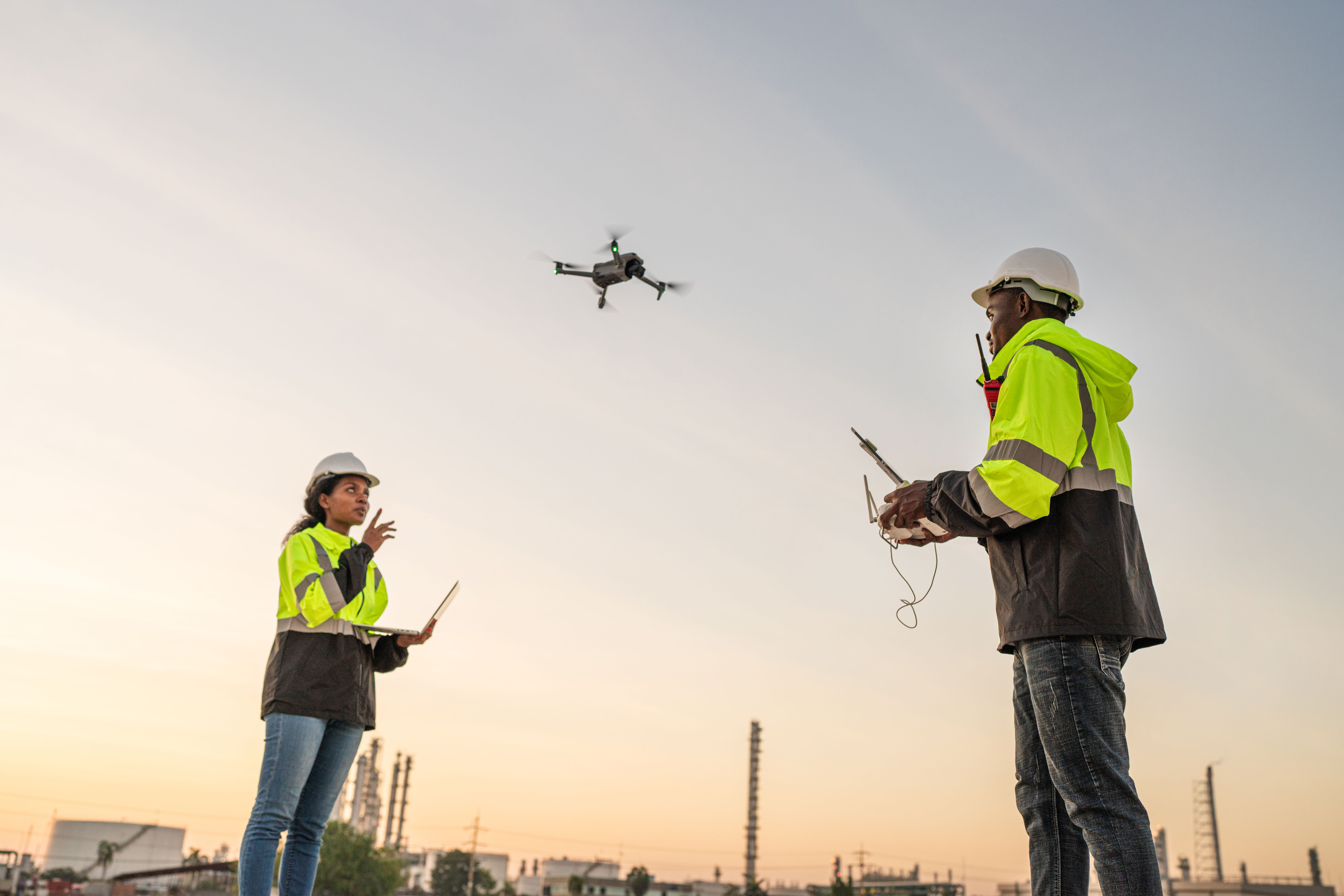
Enhanced Efficiency and Accuracy
One of the most significant benefits of using drones is the enhanced efficiency they bring to solar farm inspections. Traditional methods often involved manual inspections, which were both time-consuming and prone to human error. Drones equipped with high-resolution cameras and infrared sensors can quickly identify issues such as panel defects, shading, or overheating.
These inspections are conducted with remarkable accuracy, ensuring that problems are detected early and addressed promptly. This proactive approach minimizes downtime and maximizes energy output, contributing to the overall success of solar farms in the region.
Cost-Effective Solution
Another advantage of drone surveys is their cost-effectiveness. The initial investment in drone technology is offset by the savings in labor and maintenance costs. Drones can cover large areas in a fraction of the time it would take a human inspector, reducing operational expenses significantly.
In addition to labor savings, the precision of drone surveys reduces the likelihood of costly repairs by identifying potential issues before they escalate. This predictive maintenance approach not only saves money but also extends the lifespan of solar panels.

Improved Data Collection
Drones provide a wealth of data that can be used to optimize solar farm operations. The high-quality imagery and thermal data collected by drones offer insights that were previously unattainable. Operators can analyze this information to optimize panel positioning, track performance, and plan for future expansions.
Furthermore, the integration of artificial intelligence with drone technology enhances data analysis capabilities. Machine learning algorithms process the collected data to identify patterns and trends, allowing for data-driven decision-making.
Environmental and Safety Benefits
Beyond operational efficiency, drone surveys offer significant environmental and safety benefits. By minimizing the need for ground vehicles and reducing human interference, drones help preserve the natural landscape surrounding solar farms. This aligns with the sustainability goals of renewable energy projects.
Safety is also a paramount concern in solar farm management. Drones eliminate the need for personnel to navigate potentially hazardous areas, reducing the risk of accidents and injuries. This safer approach ensures compliance with industry safety standards and enhances worker wellbeing.

Conclusion: A Bright Future
The successful implementation of drone surveys in Queensland's solar farms represents a significant step forward in renewable energy management. By improving efficiency, reducing costs, enhancing data collection, and promoting safety, drones are proving to be an invaluable tool in the quest for sustainable energy solutions.
As technology continues to advance, the role of drones in solar farm management is expected to grow, setting a precedent for other regions to follow. In the pursuit of clean energy, Queensland's innovative approach serves as a beacon of progress and potential.