Case Study: Successful Solar Farm Maintenance with Drone Technology


Introduction to Drone Technology in Solar Farms
In recent years, the integration of drone technology in solar farm maintenance has revolutionized the way these facilities are managed. By providing a bird's-eye view and utilizing advanced imaging techniques, drones have become an essential tool for ensuring optimal performance and efficiency.
This case study explores how a leading solar energy company successfully implemented drone technology to enhance its maintenance operations, resulting in significant cost savings and improved productivity.
The Challenges of Traditional Maintenance
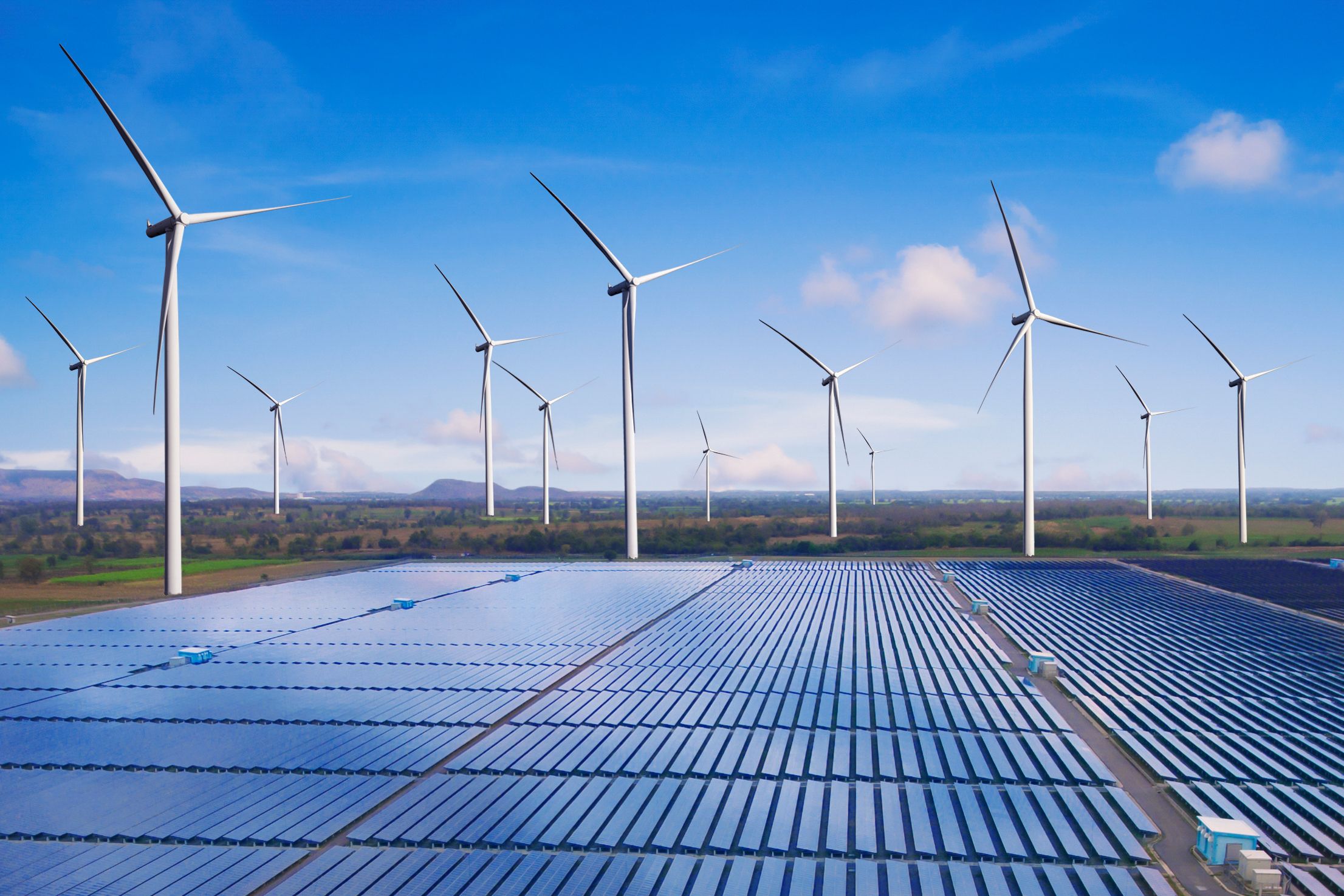
Maintaining a solar farm traditionally involves manual inspections, which can be time-consuming and labor-intensive. Technicians often face challenges such as:
- Identifying damaged panels or equipment
- Detecting inefficiencies or malfunctions
- Ensuring safety while navigating large installations
These challenges not only drive up operational costs but can also lead to prolonged downtime and reduced energy output.
Implementing Drone Technology
The solar company decided to integrate drone technology into their maintenance routine to address these challenges. Drones equipped with high-resolution cameras and thermal imaging capabilities were deployed to conduct aerial inspections.
This approach allowed for rapid identification of issues and provided detailed insights into the condition of the solar panels and infrastructure.
Benefits of Drone-Assisted Maintenance
The introduction of drones offered several key benefits:
- Efficiency: Drones can cover large areas quickly, reducing inspection times from days to hours.
- Accuracy: High-resolution and thermal imaging provide precise data, enabling targeted repairs.
- Cost Savings: By minimizing manual labor and preventing extensive damage, operational costs decreased significantly.
These advantages underscore the value of adopting innovative technologies in energy production.
Real-World Impact and Results
Since implementing drone technology, the solar company observed a 30% reduction in maintenance costs and a 20% increase in overall efficiency. Downtime was minimized, and energy production reached new heights.
The proactive identification of potential issues before they became critical further solidified the investment in drone technology as a strategic move.
Future Prospects
The success of this case study sets a promising precedent for the future of renewable energy. As drone technology continues to evolve, its applications in solar farm maintenance are expected to expand, offering even greater efficiencies and capabilities.
The company's forward-thinking approach serves as an inspiration for other energy providers looking to embrace cutting-edge solutions.

Conclusion
Drone technology has proven to be a game-changer in solar farm maintenance. By overcoming traditional challenges and providing substantial benefits, it has paved the way for more efficient and sustainable energy production.
As the industry continues to grow, embracing such innovations will be crucial for maintaining a competitive edge and promoting environmental sustainability.