Comprehensive Guide to Drone Thermography for Solar Farm Maintenance


Introduction to Drone Thermography
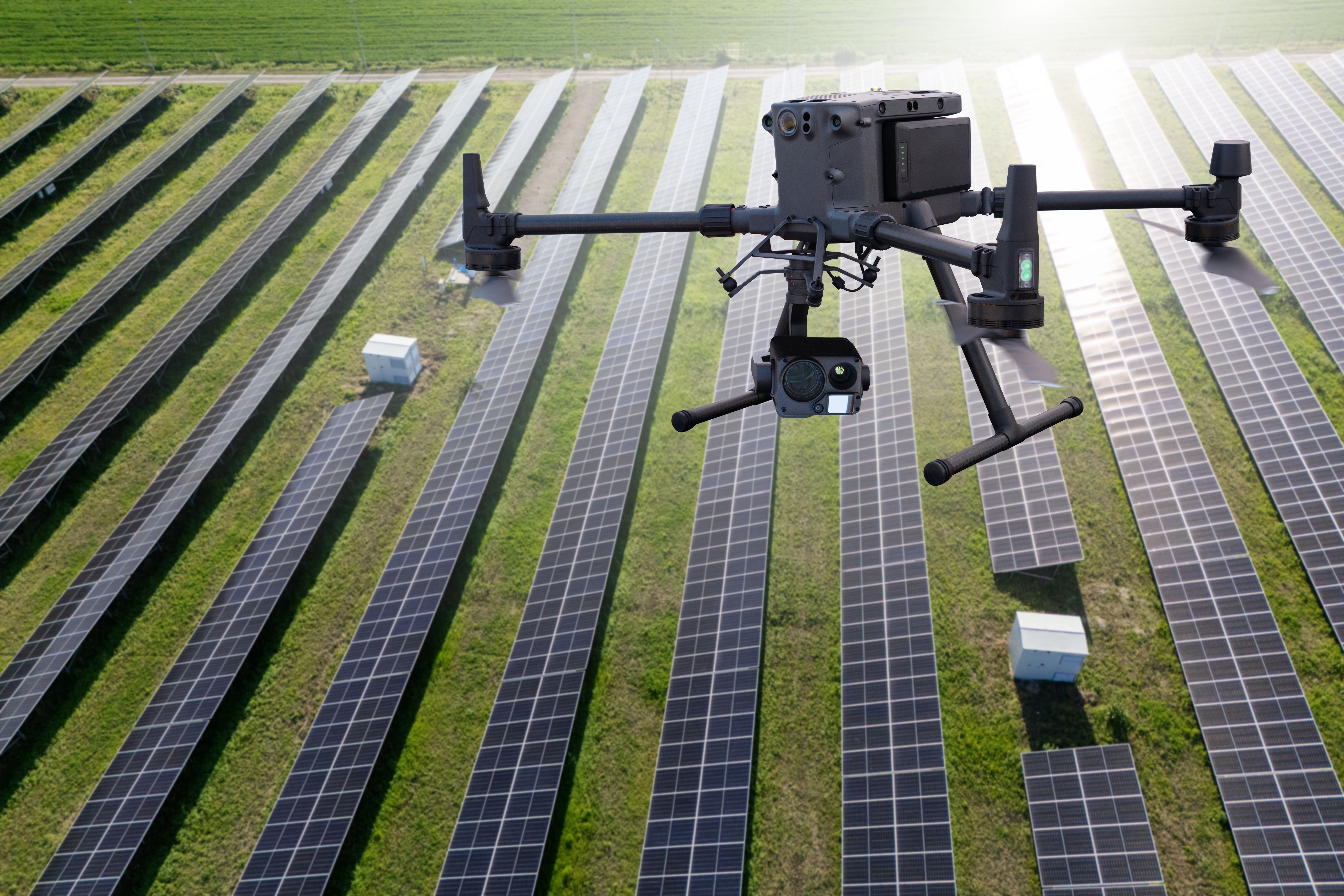
In recent years, drone thermography has emerged as a game-changing technology for solar farm maintenance. By using thermal imaging cameras attached to drones, operators can efficiently inspect large solar installations. This method not only improves accuracy but also significantly reduces inspection time.
Traditional methods of solar panel inspection are often labor-intensive and time-consuming. Drones equipped with infrared cameras can quickly scan vast areas, identifying potential issues such as hotspots, shading, or defective panels.
How Drone Thermography Works
The process begins with a drone flight over the solar farm. The drone is equipped with a thermal camera capable of capturing infrared radiation emitted by the solar panels. These images reveal temperature variations, which can indicate underlying problems.
Once the thermal images are captured, they are analyzed to detect anomalies. These anomalies often signal issues such as electrical faults or physical damage to the panels, which could lead to reduced efficiency.
Advantages of Using Drones
There are numerous advantages to using drones for thermography in solar farm maintenance:
- Speed: Drones can cover large areas quickly, reducing inspection time from days to hours.
- Safety: Drones eliminate the need for technicians to physically access potentially hazardous areas.
- Cost-effectiveness: Reduced labor and operational costs make drone inspections an economically viable option.
Interpreting Thermal Images
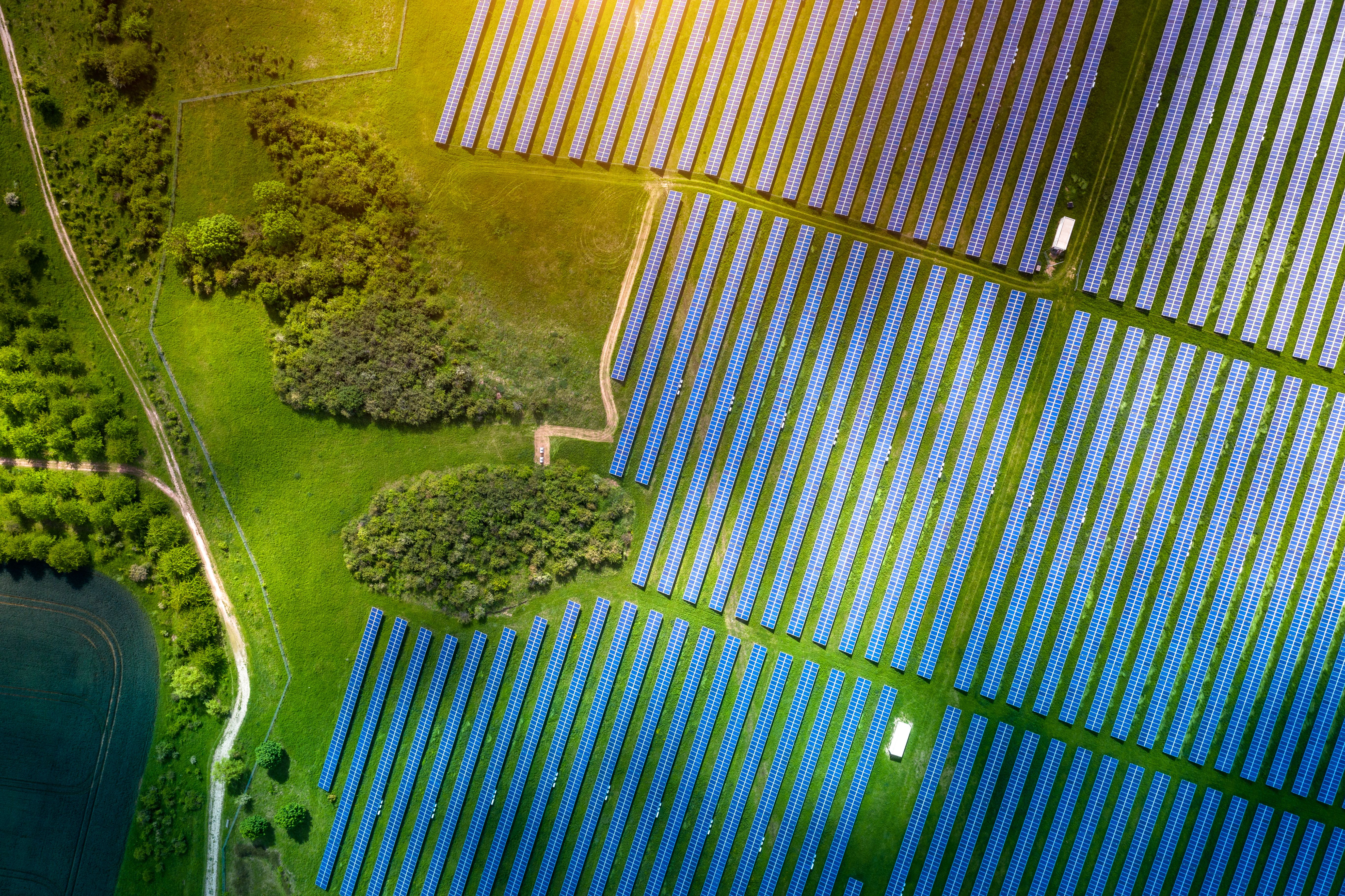
Interpreting thermal images requires specialized knowledge. Temperature variations are analyzed to identify patterns that might indicate specific problems. For instance, a hotspot on a solar panel might suggest a malfunctioning cell.
Technicians use software to enhance and analyze these images, allowing for precise diagnostics. This enables quick decision-making regarding necessary repairs or replacements.
Common Issues Detected
Drones can identify a range of common issues in solar farms:
- Hotspots: These can result from defective cells, causing overheating and efficiency loss.
- Shading: Partial shading of panels can reduce their overall power output.
- Physical damage: Cracks or debris on panels can lead to performance degradation.
Implementing Drone Thermography in Maintenance
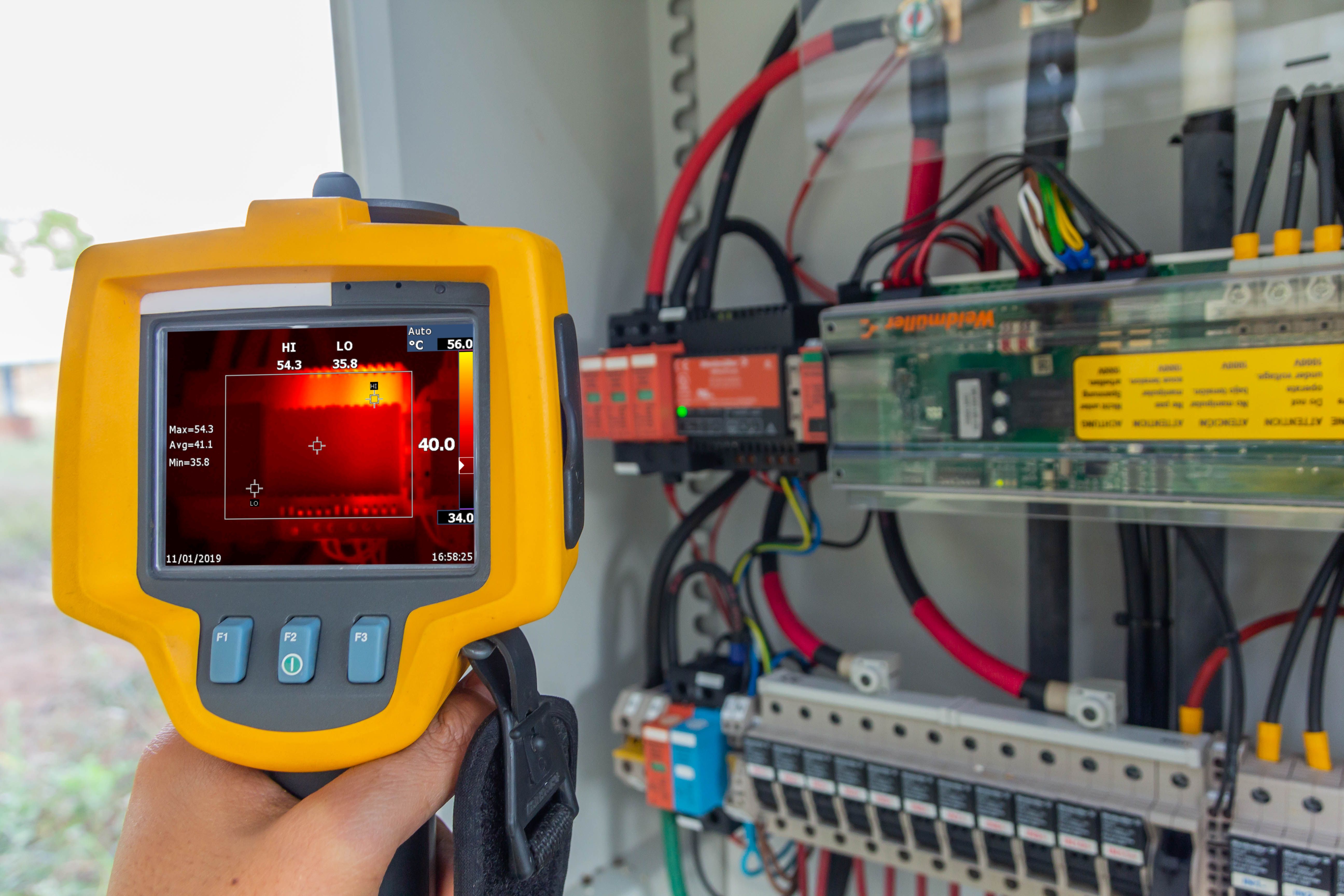
To effectively implement drone thermography, solar farm operators need to integrate this technology into their regular maintenance schedules. This involves planning routine inspections and training personnel to operate drones and interpret thermal data.
Collaboration with drone service providers can also be beneficial. These providers offer expertise and advanced equipment, ensuring accurate and efficient inspections.
Future Prospects
As technology advances, we can expect further enhancements in drone thermography. Innovations such as AI-driven analysis and improved sensor capabilities will continue to refine the accuracy and efficiency of solar farm maintenance.
Overall, drone thermography represents a significant advancement in maintaining solar farms, ensuring they operate at peak performance and contribute effectively to sustainable energy goals.