Drone Thermography vs. Traditional Inspection Methods: A Comparison


Introduction to Inspection Methods
Inspections are crucial in ensuring the safety and functionality of various structures and systems. Traditionally, these inspections have been conducted manually, relying on skilled professionals to assess and document potential issues. However, with the advent of technology, drone thermography has emerged as a modern alternative, offering numerous advantages over traditional methods.
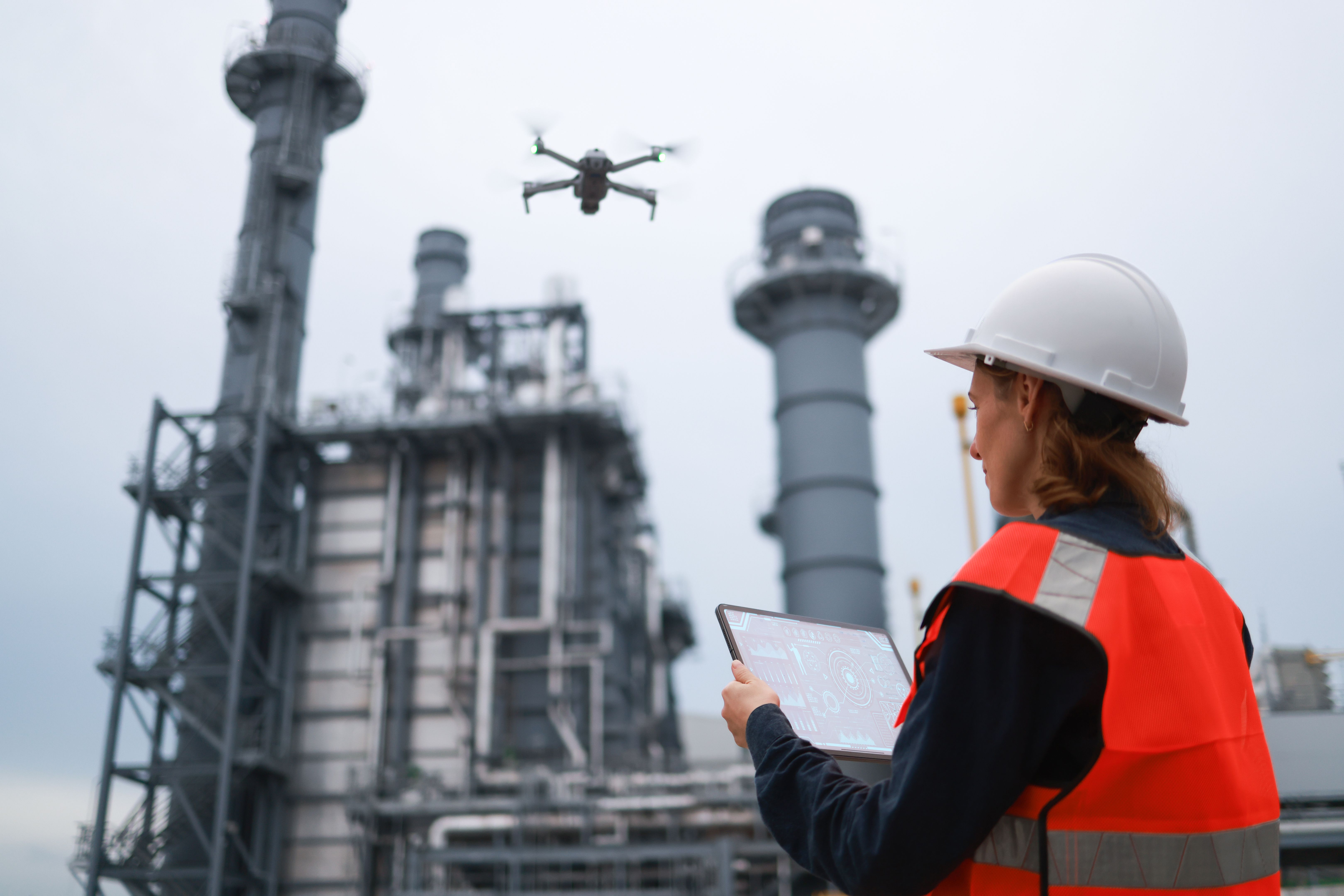
Understanding Drone Thermography
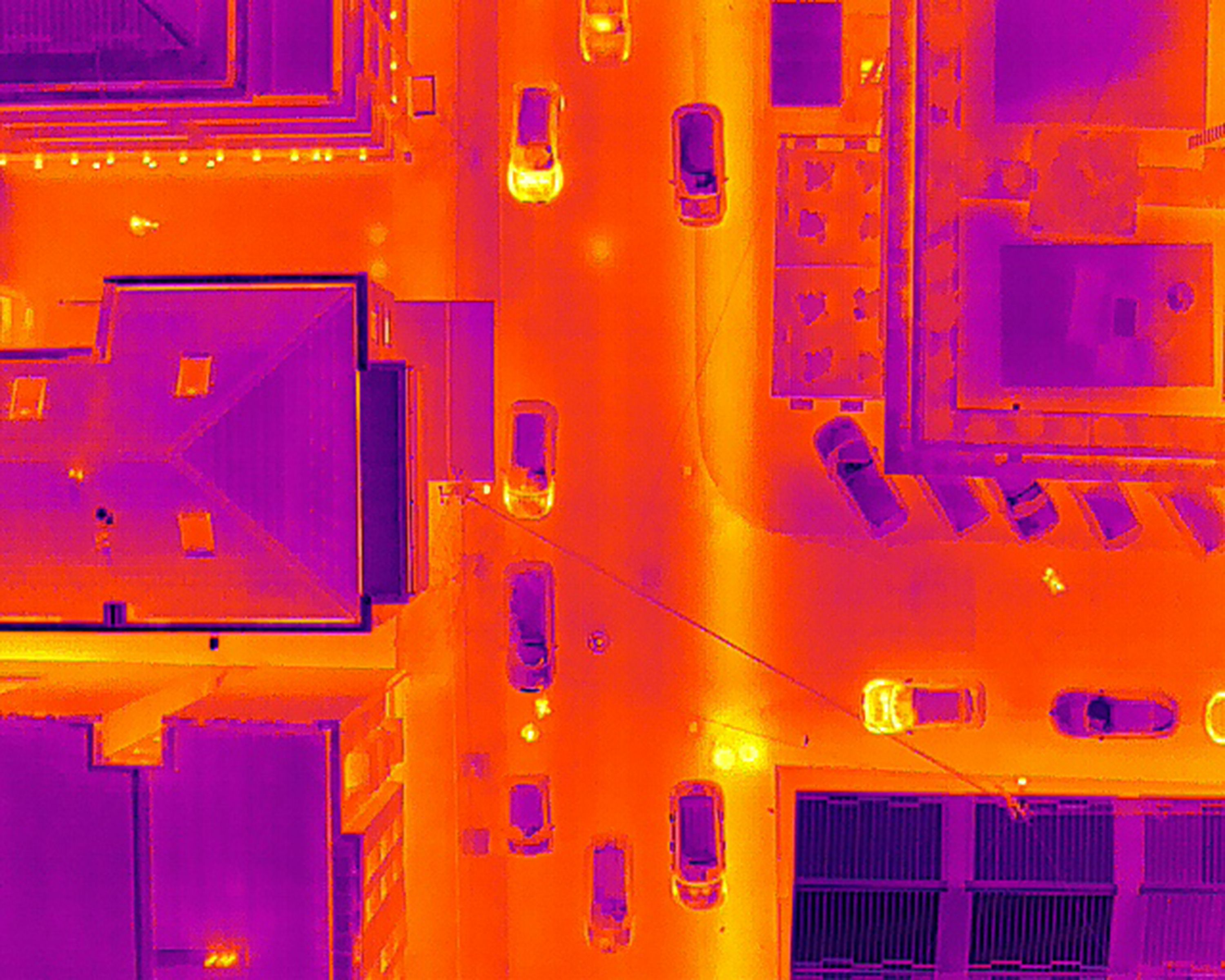
Drone thermography involves using drones equipped with thermal cameras to capture infrared data. This technology allows inspectors to identify heat variations in structures, indicating potential problems such as leaks, electrical faults, or insulation issues. The drones can cover large areas quickly, providing comprehensive data that can be analyzed efficiently.
Benefits of Drone Thermography
Drone thermography offers several benefits over traditional inspection techniques:
- Safety: Drones can access hard-to-reach or hazardous areas, minimizing the risk to human inspectors.
- Efficiency: Inspections are faster and can cover larger areas in less time.
- Data Quality: High-resolution thermal imagery provides detailed insights into structural conditions.
Traditional Inspection Methods
Traditional inspection methods often involve manual processes, such as visual inspections or the use of handheld thermal cameras. These methods require skilled personnel to conduct assessments, which can be time-consuming and potentially dangerous, especially in elevated or confined spaces.
Challenges of Traditional Methods
Some of the challenges associated with traditional inspection methods include:
- Accessibility: Certain areas may be difficult or unsafe to reach.
- Time-Consuming: Manual inspections can take much longer, especially for large structures.
- Subjectivity: Results may vary based on the inspector's experience and judgment.

Comparative Analysis
When comparing drone thermography to traditional methods, the differences are clear. Drones offer a safer, more efficient way to gather data, reducing both labor costs and inspection times. Furthermore, the objective data collected by drones can be stored and analyzed over time, providing valuable insights for predictive maintenance.
Cost Considerations
While the initial investment in drone technology may be higher, the long-term savings in labor and increased inspection frequency can offset these costs. Additionally, the ability to prevent issues before they become major problems can result in significant cost savings.
Conclusion
In the rapidly evolving field of inspection, drone thermography stands out as a technologically advanced, efficient alternative to traditional methods. By providing enhanced safety, superior data quality, and increased efficiency, drones are revolutionizing the way inspections are conducted across various industries.