Emerging Trends: The Future of Drone Technology in Thermographic Applications


Introduction to Drone Technology in Thermography
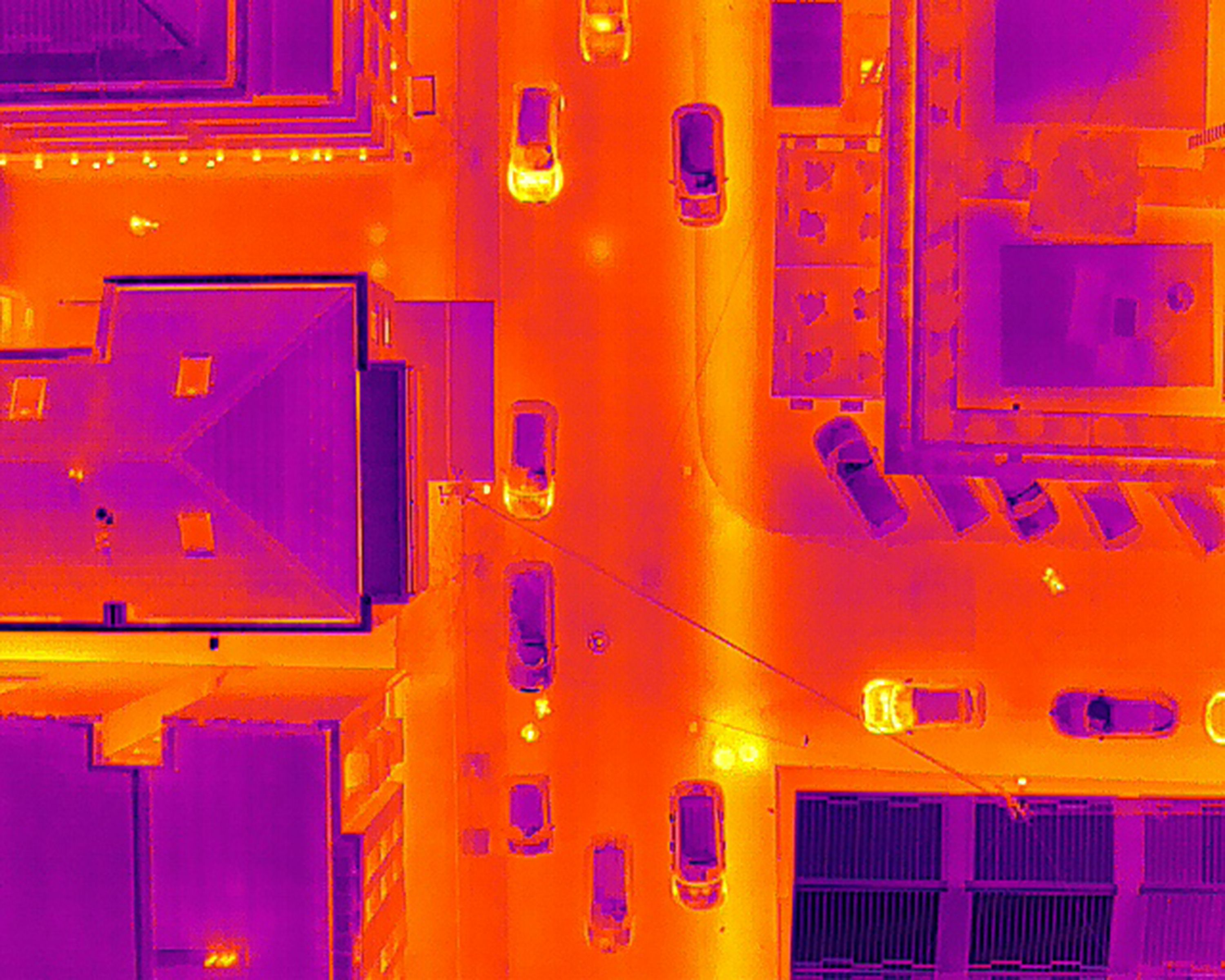
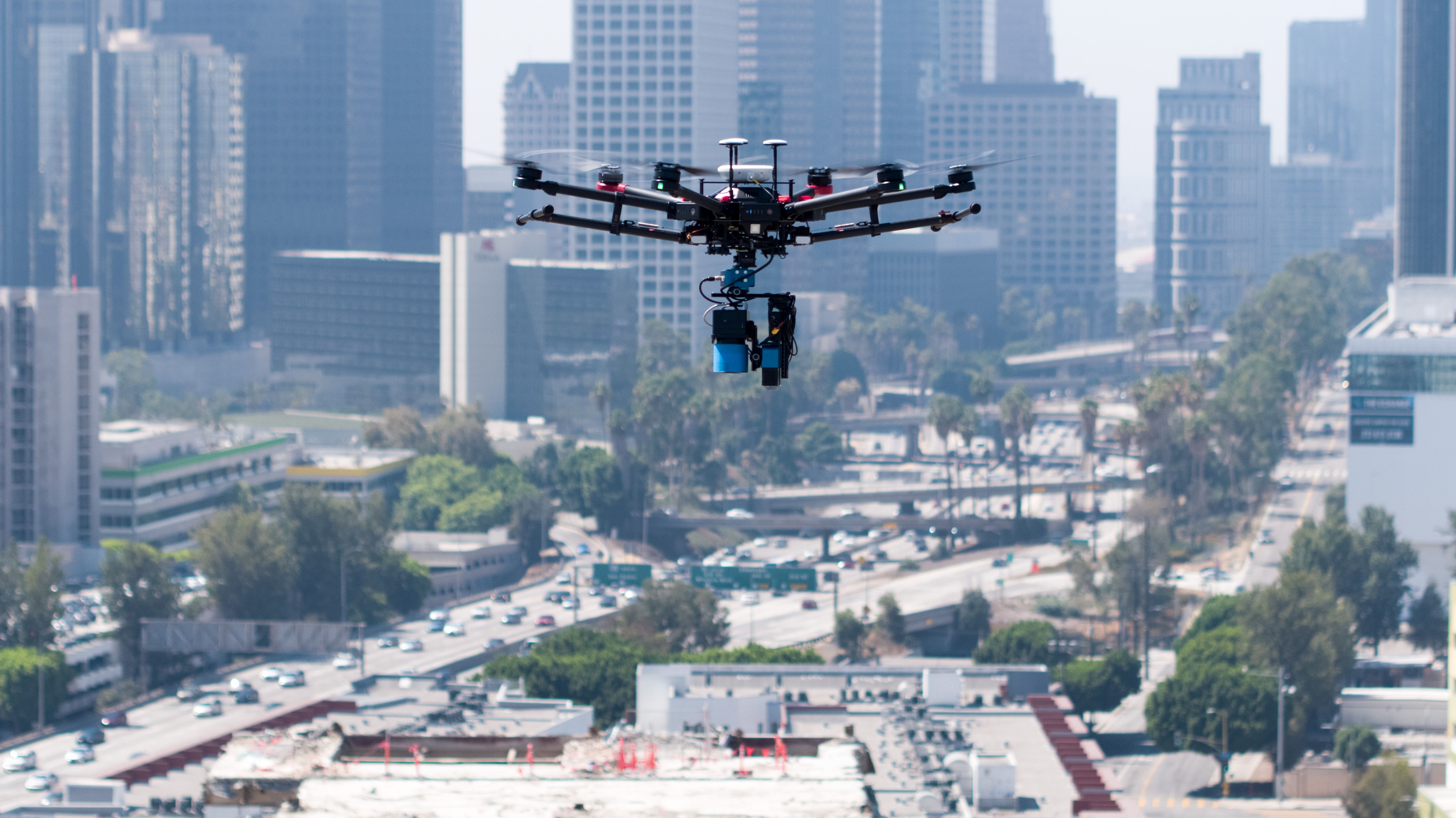
The integration of drone technology with thermographic applications is revolutionizing various industries. Drones equipped with thermal cameras are now being used for more than just capturing aerial views. They provide critical insights into temperature variations, helping in sectors like construction, agriculture, and energy.
Thermographic drones are becoming essential tools for inspectors and analysts. They offer a bird's-eye view and thermal imaging, streamlining the detection of heat-related issues. This innovation is saving time and reducing costs across the board.
Applications in Construction and Infrastructure
In the construction industry, drones with thermal imaging capabilities are used to identify energy inefficiencies. They can detect areas of poor insulation, leading to better resource management and energy conservation. Inspectors can now easily pinpoint leaks, moisture build-up, and other structural weaknesses.
Furthermore, in infrastructure maintenance, drones help monitor bridges, roads, and railways. Their ability to spot temperature anomalies quickly allows for timely interventions, preventing potential failures and ensuring public safety.
Enhancing Safety and Efficiency
Thermal drones enhance safety by reducing the need for manual inspections in hazardous areas. This technology allows for safer, more efficient data collection, minimizing human exposure to dangerous environments and optimizing overall workflow.
Impact on Agriculture
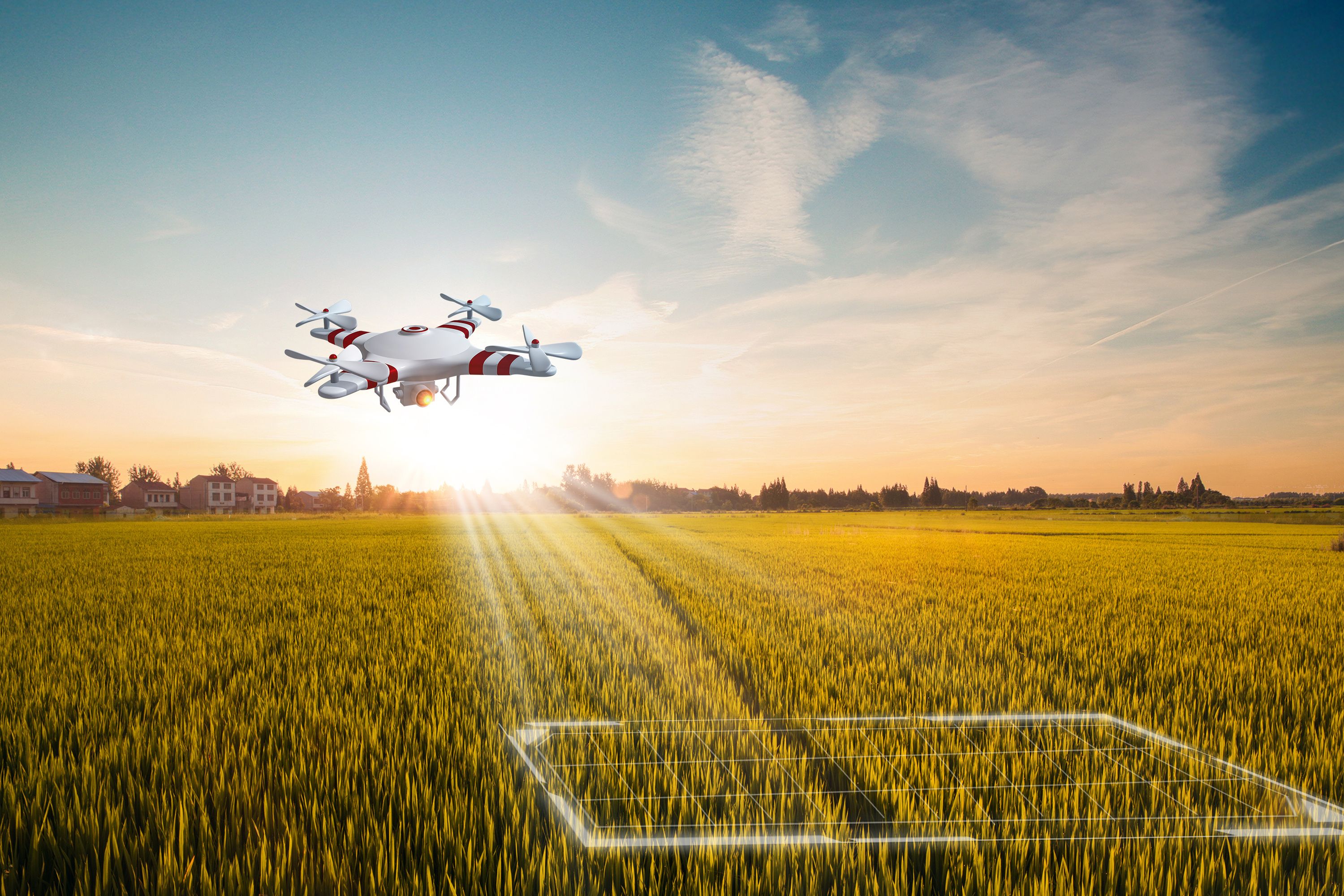
The agricultural sector is also benefiting from the rise of thermographic drones. Farmers use these drones to monitor crop health, as temperature variations can indicate issues like disease, pest infestations, or inadequate irrigation. This real-time data helps in making informed decisions for better yield and resource management.
By providing detailed thermal maps, drones help in precision agriculture, allowing farmers to apply treatments only where needed, thus conserving resources and reducing costs.
Environmental Benefits
Implementing drone technology in agriculture promotes sustainable practices. By using drones for targeted interventions, farmers can significantly reduce their environmental footprint, contributing to more sustainable farming practices.
Innovations in Energy Sector
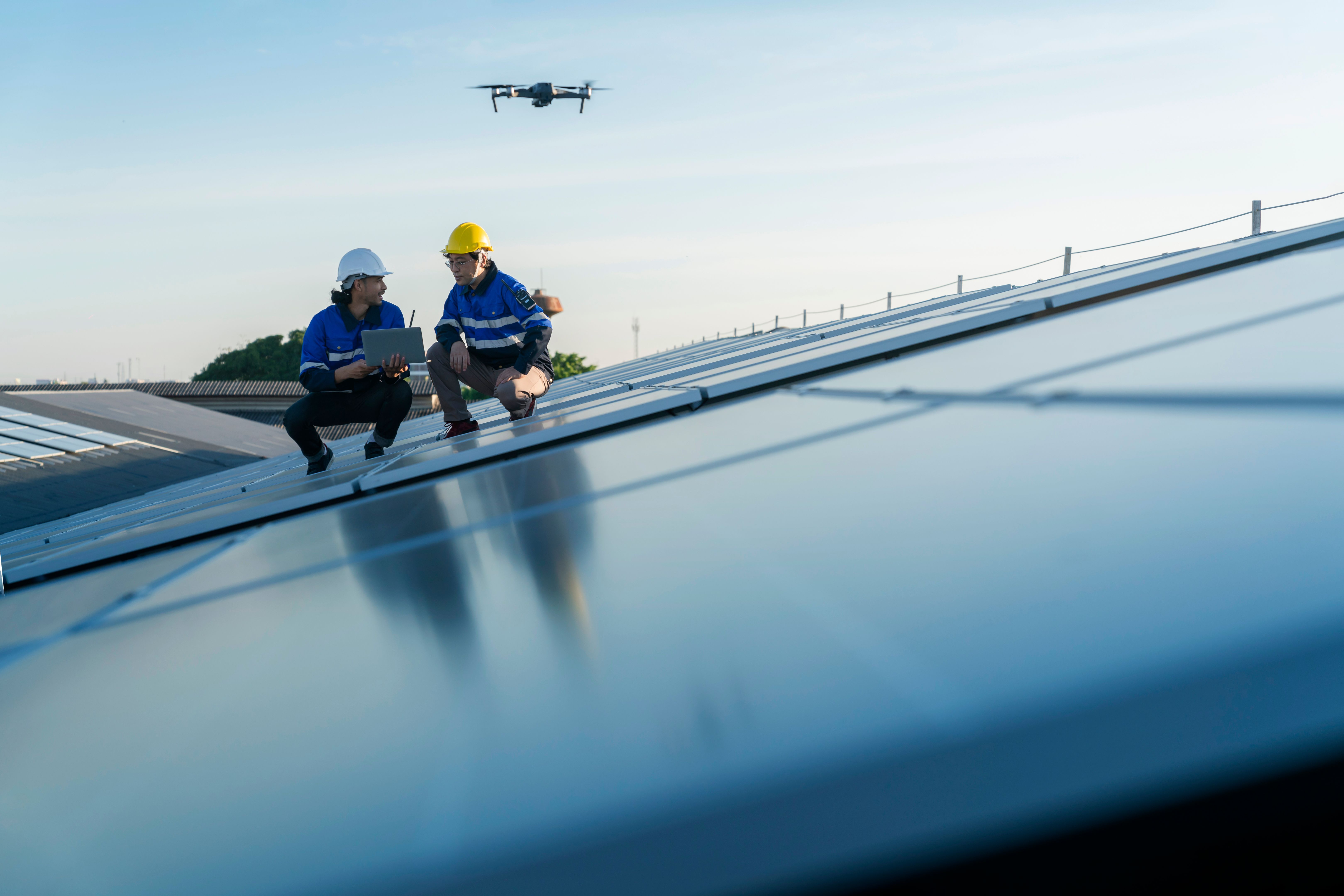
In the energy sector, especially in solar and wind energy, thermographic drones play a crucial role. They help in inspecting solar panels and wind turbines, identifying inefficiencies and areas that require maintenance. This proactive approach minimizes downtime and maximizes energy output.
Drones provide comprehensive thermal scans that can detect energy losses in power lines and substations, thus ensuring a stable and efficient energy supply.
Future Prospects and Challenges
As technology advances, the future of drones in thermographic applications looks promising. However, challenges such as regulatory hurdles, privacy concerns, and the need for skilled operators must be addressed. Continued innovation and collaboration will be key to overcoming these obstacles.
The integration of AI and machine learning with drone technology is expected to further expand its capabilities, offering more precise and automated analyses.
Conclusion
The future of drone technology in thermographic applications is bright, with potential to transform industries by improving efficiency, safety, and sustainability. As these technologies continue to evolve, they will undoubtedly play a pivotal role in addressing some of the most pressing challenges across various sectors.
Embracing these emerging trends will not only enhance operational capabilities but also contribute to a more sustainable and technologically advanced world.