Expert Insights: The Future of Drone Technology in Thermography


The Rise of Drone Technology in Thermography
In recent years, the integration of drone technology with thermography has transformed industries ranging from agriculture to emergency services. By providing a bird’s-eye view combined with thermal imaging, drones offer unprecedented insights and efficiencies. This post explores the future of this dynamic fusion and what it means for various sectors.
Revolutionizing Inspections and Maintenance
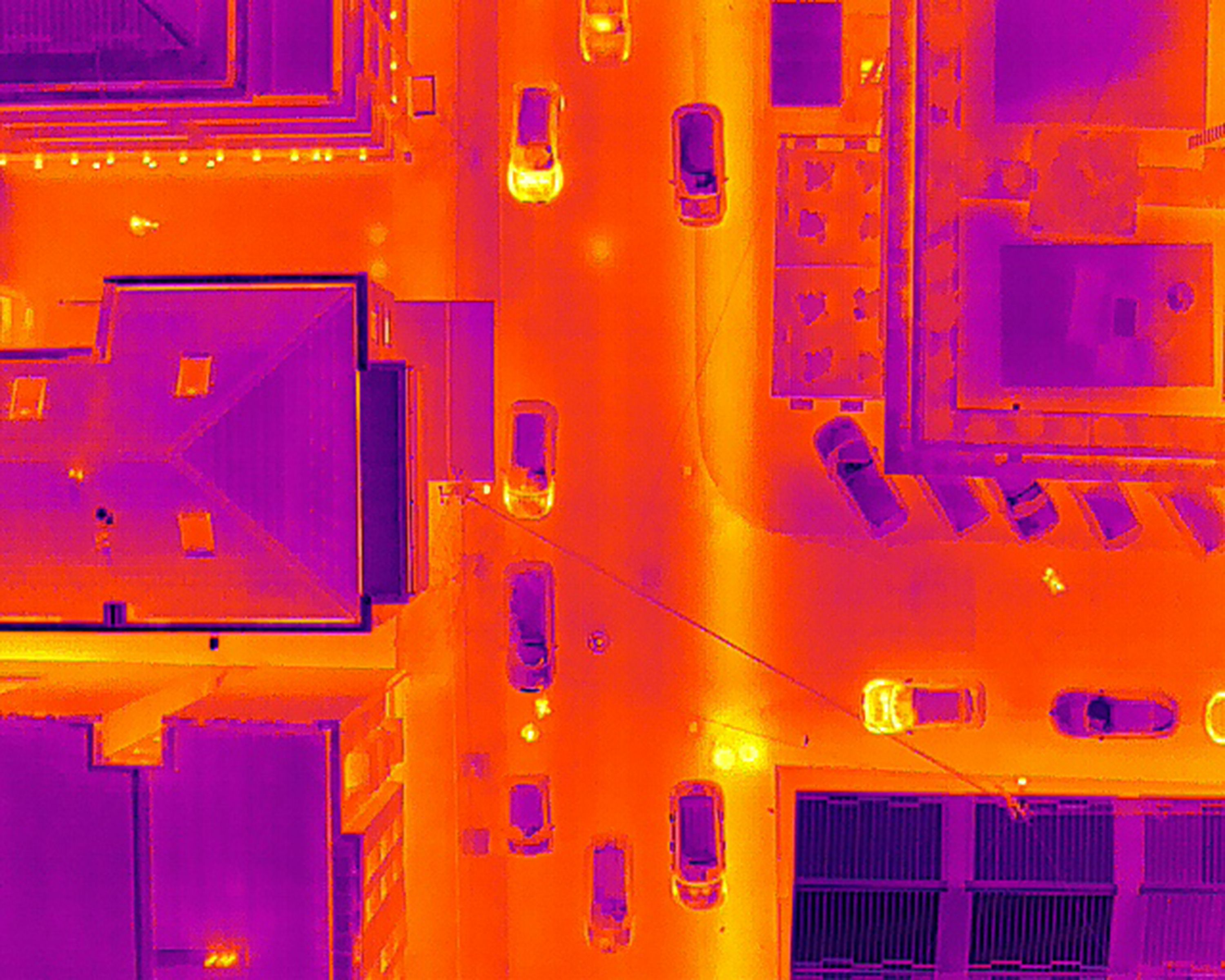
One of the most significant advantages of using drones in thermography is the ability to perform inspections and maintenance more efficiently. Drones equipped with thermal cameras can quickly scan large areas, identifying heat anomalies that may indicate issues like electrical faults or structural weaknesses. This not only speeds up the inspection process but also enhances safety by reducing the need for human workers to access potentially hazardous locations.
Industries such as energy, construction, and manufacturing are already experiencing these benefits. For example, power companies use drones to monitor transmission lines, while construction firms employ them for building inspections. These applications highlight the potential for drones to reduce operational costs and minimize downtime.
Enhancing Agricultural Practices
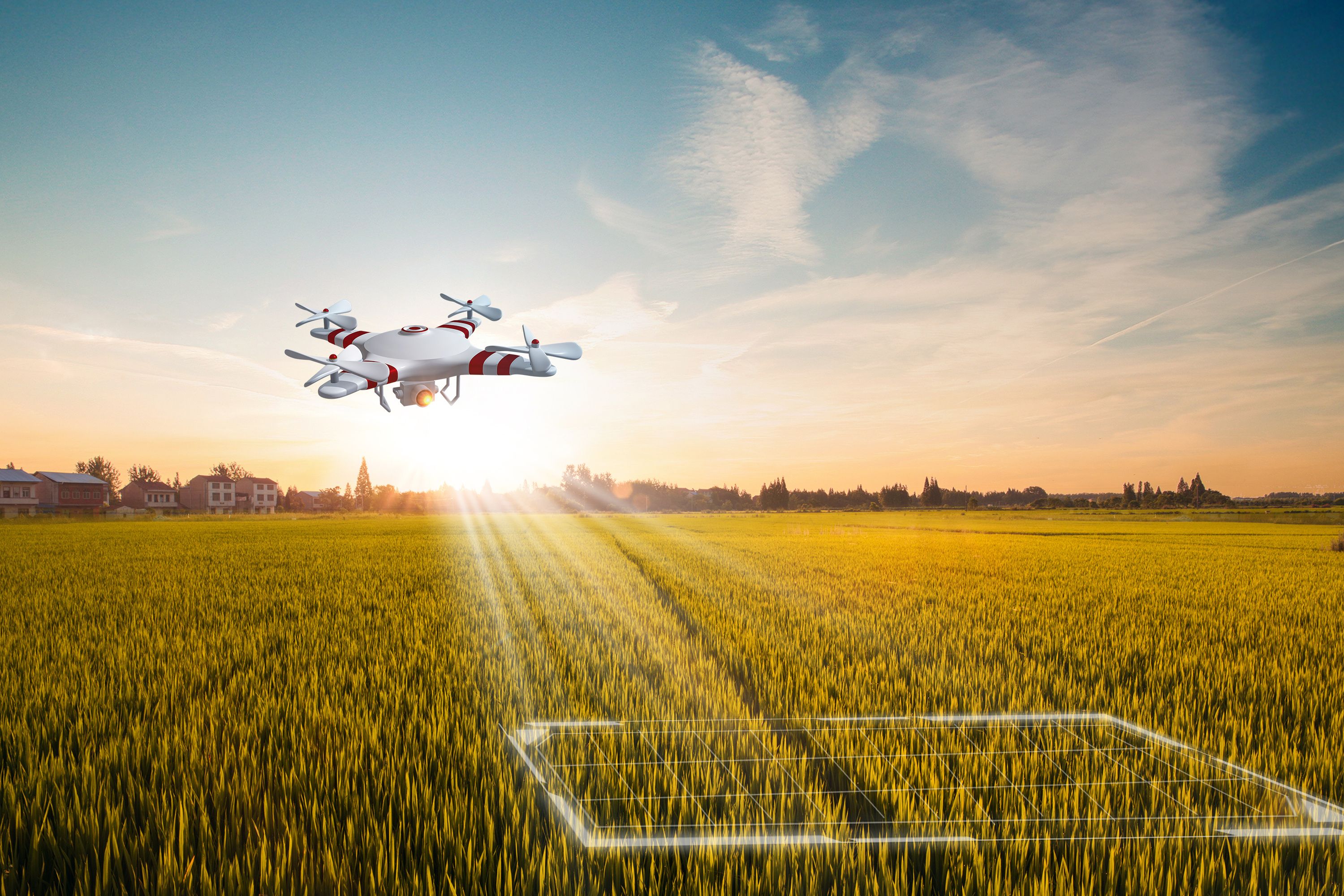
In agriculture, drones with thermographic capabilities are revolutionizing crop management. By capturing detailed thermal images, farmers can assess crop health, detect water stress, and optimize irrigation practices. This data-driven approach leads to improved yields and resource efficiency, contributing to more sustainable farming practices.
Additionally, drones can monitor livestock, offering insights into herd health and behavior. This capability allows farmers to address issues before they become significant problems, ensuring better animal welfare and productivity.
Improving Emergency Response
Emergency services are also benefiting from drone technology. In search and rescue operations, thermal drones can locate missing persons by detecting body heat, even in challenging environments such as dense forests or rugged terrain. This capability significantly reduces response times and increases the chances of successful rescues.
Moreover, during natural disasters, drones provide critical thermal imagery to assess damage and identify hotspots, such as fires or chemical spills. This information is invaluable for coordinating effective response strategies and ensuring the safety of both responders and affected communities.
Challenges and Considerations
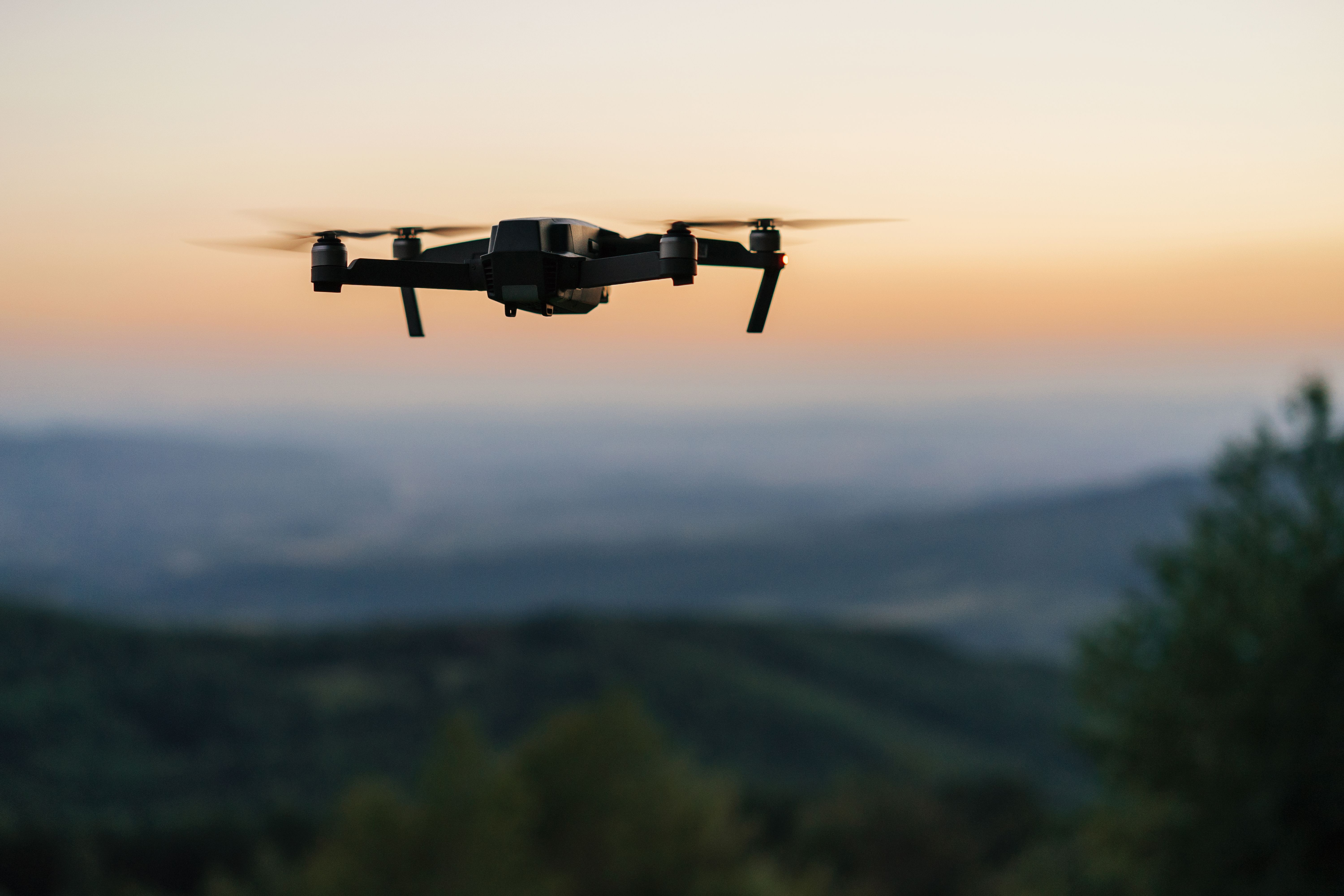
Despite the many advantages, integrating drone technology with thermography poses several challenges. Regulatory hurdles, privacy concerns, and the need for specialized training are some of the obstacles that industries must navigate. Ensuring data security and addressing ethical considerations are also crucial for the widespread adoption of this technology.
Nonetheless, as technology advances and regulations adapt, these challenges are expected to diminish, paving the way for broader applications and innovations.
The Road Ahead
The future of drone technology in thermography is bright, with continuous advancements promising even more sophisticated capabilities. From AI-driven analysis to enhanced sensor technologies, the potential applications are expanding rapidly. As these technologies become more accessible, industries will continue to discover new ways to harness the power of drones, driving efficiency, safety, and sustainability.
In conclusion, the integration of drones and thermography represents a significant leap forward, offering transformative benefits across diverse sectors. As we look to the future, the possibilities are as vast as the skies these drones navigate.