Expert Insights: The Future of Drone Thermography in Australia


Introduction to Drone Thermography
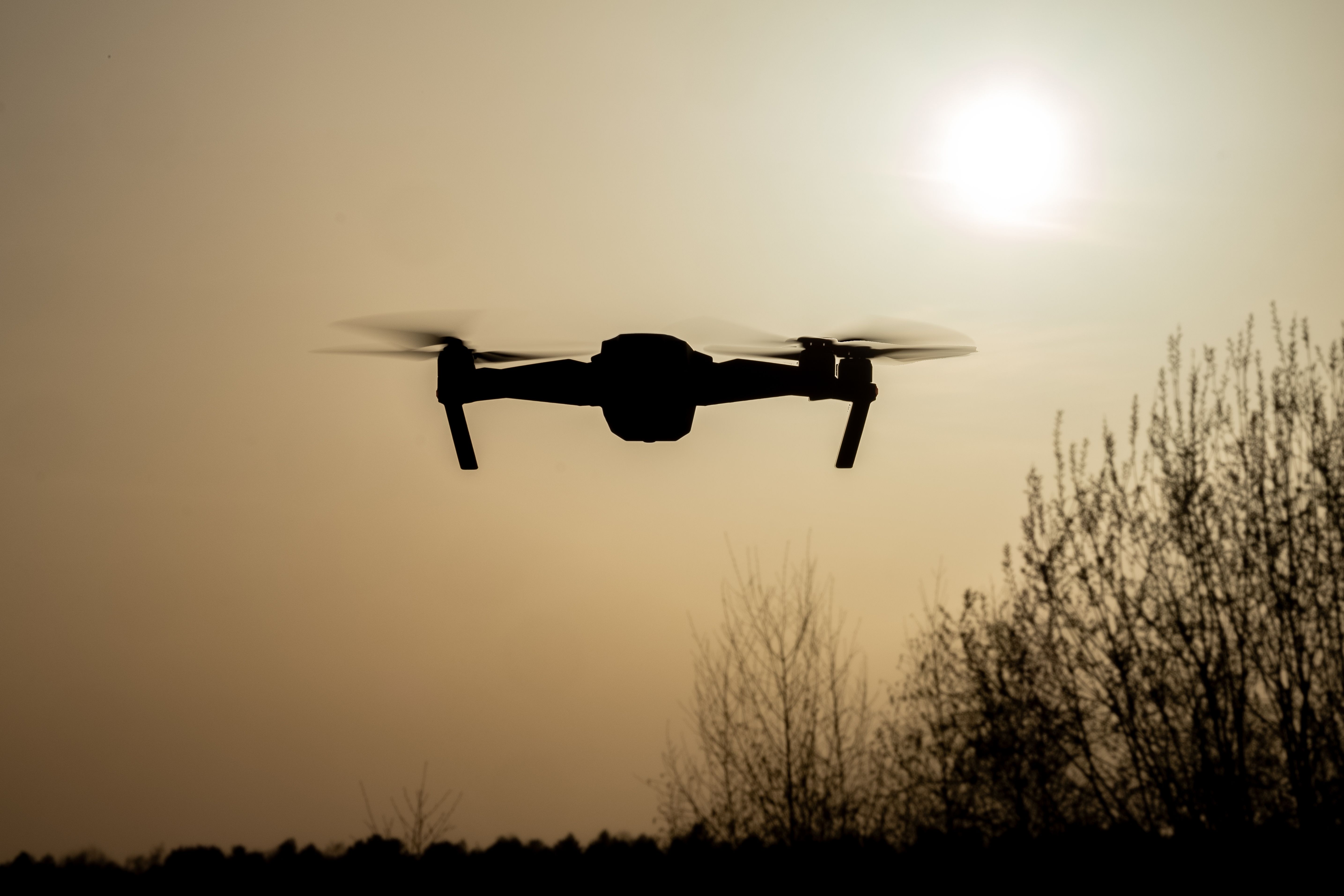
Drone thermography is rapidly transforming industries across Australia, offering innovative solutions for inspections, monitoring, and analysis. As technology advances, the use of drones equipped with thermal imaging cameras is becoming more accessible and effective, providing detailed insights that were previously challenging to obtain.
Industries such as agriculture, construction, and energy are already benefiting from this cutting-edge technology. With the ability to identify heat patterns and anomalies, drone thermography is paving the way for more efficient and safer operations.
Applications in Agriculture
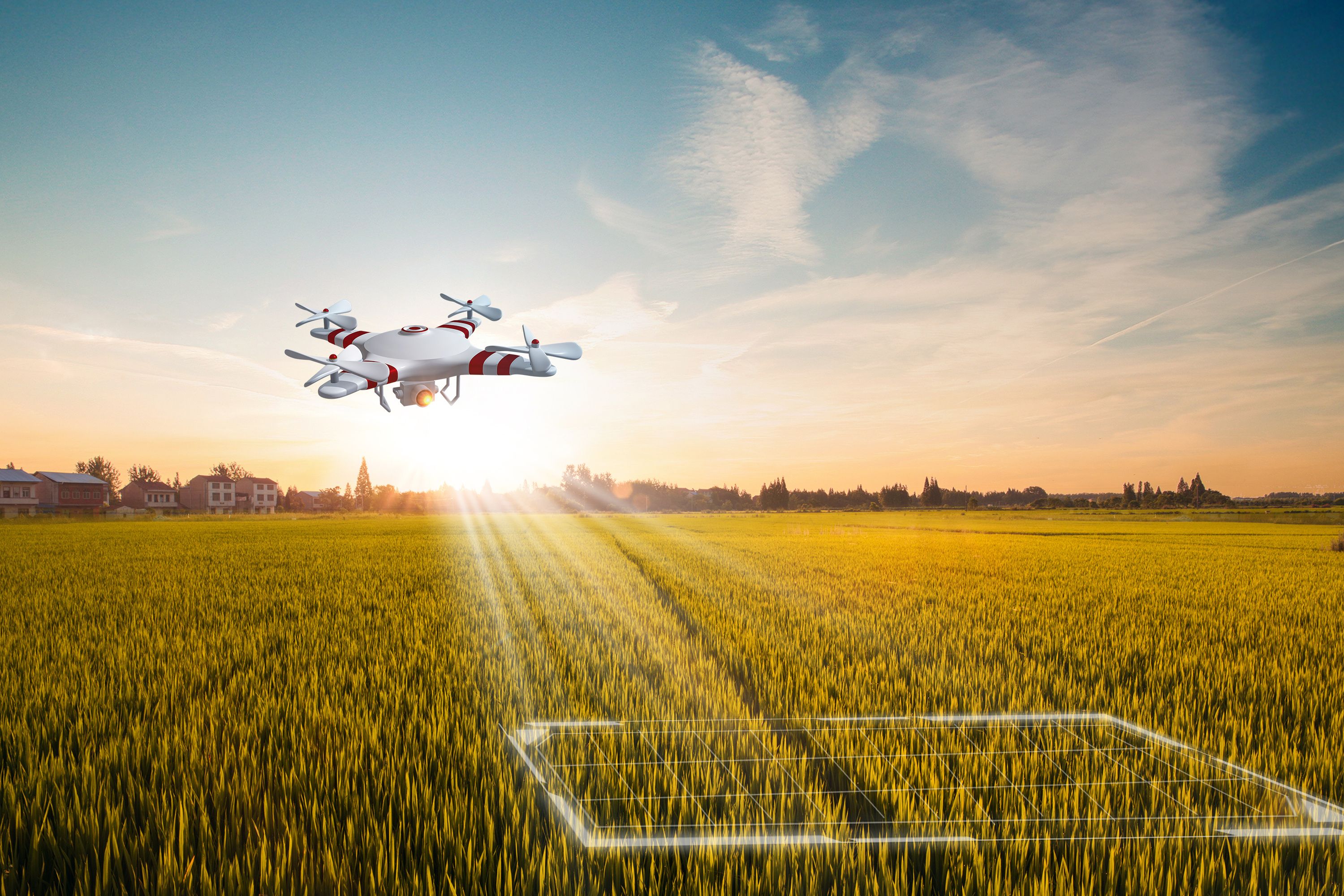
In agriculture, drone thermography is proving invaluable for crop monitoring and management. By using thermal imaging, farmers can detect variations in crop temperature, which may indicate stress or disease. This allows for timely interventions, improving yield and reducing waste.
The technology also enables precision agriculture, where resources such as water and fertilizers are applied more efficiently. This not only enhances productivity but also supports sustainable farming practices.
Enhancing Building Inspections
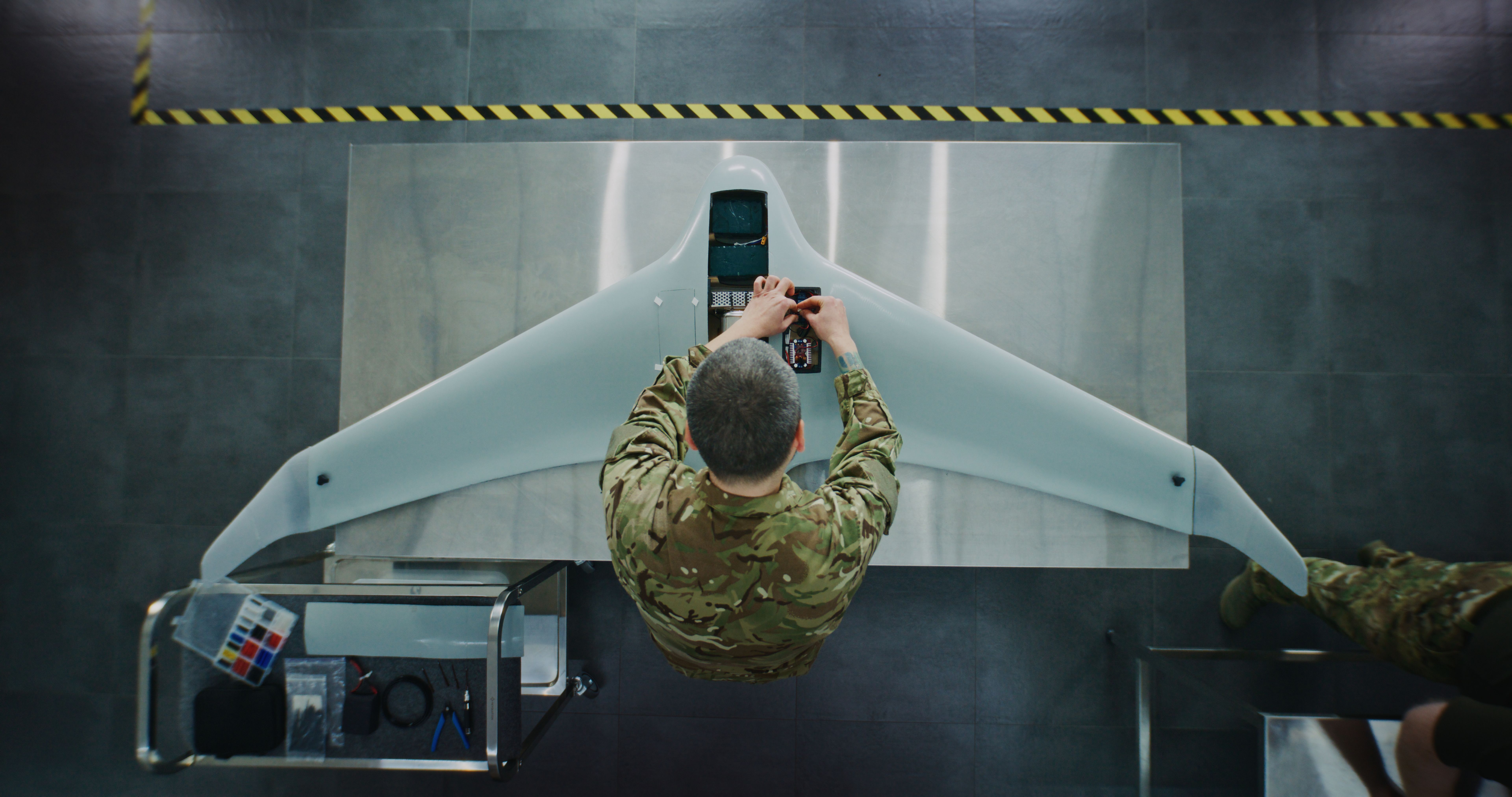
The construction industry is witnessing a transformation with drone thermography. Building inspections, which once required manual labor and extended timeframes, can now be conducted swiftly and accurately. Thermal imaging helps identify issues such as insulation failures, moisture intrusion, and electrical faults.
This technology not only improves safety by reducing the need for physical access to potentially hazardous areas but also decreases costs associated with traditional inspection methods.
Revolutionizing the Energy Sector
In the energy sector, drone thermography is being used for monitoring infrastructure such as solar panels and wind turbines. By identifying hotspots and potential failures, companies can perform maintenance proactively, ensuring efficiency and longevity of their assets.
Thermal imaging also supports the inspection of power lines and substations, reducing downtime and enhancing the reliability of energy supply.
Challenges and Opportunities
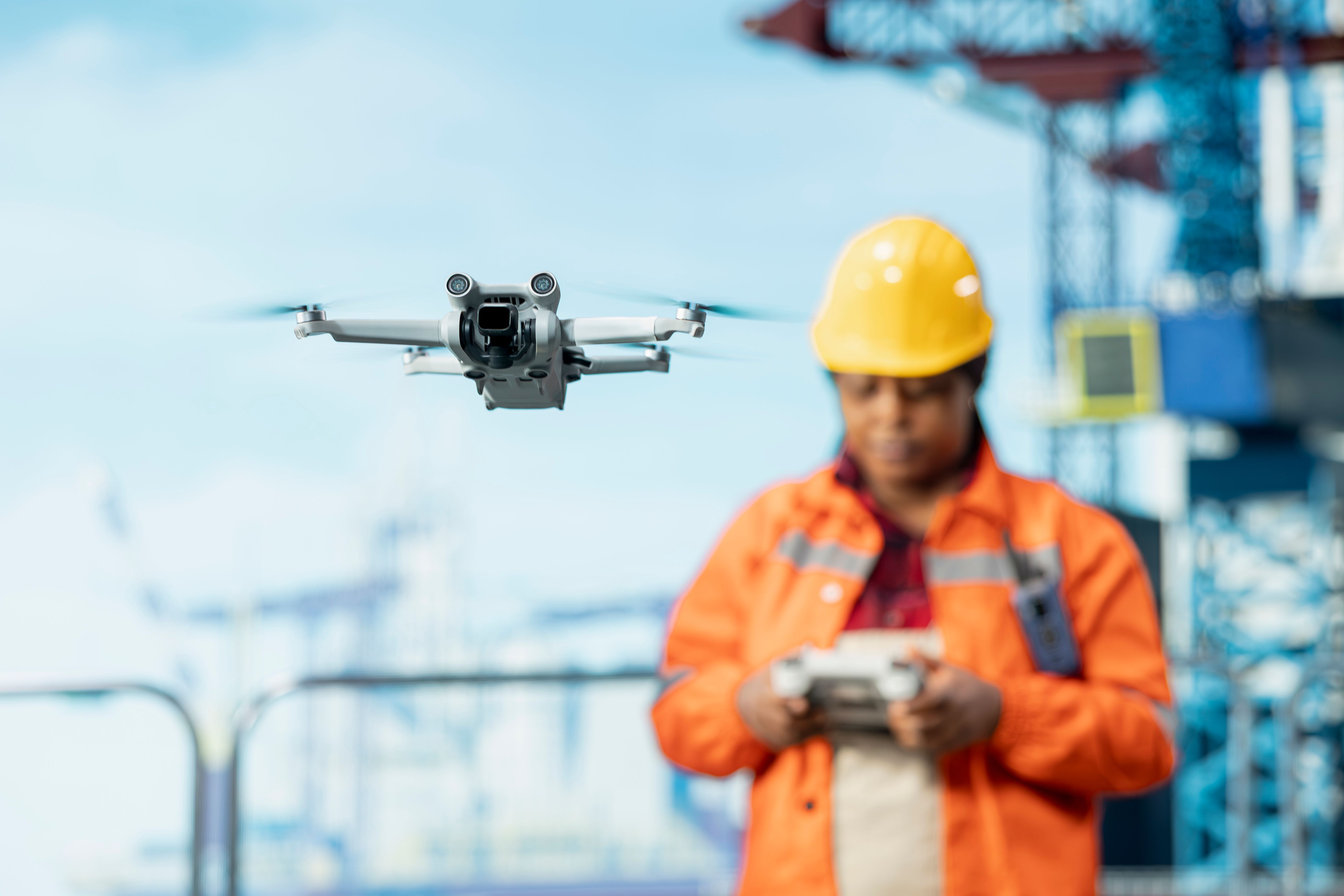
While the benefits of drone thermography are significant, there are challenges to consider. Regulatory compliance, privacy concerns, and the need for skilled operators are aspects that require attention. However, the opportunities for growth and innovation are vast.
As technology continues to evolve, training and certification programs are becoming more prevalent, helping to overcome these hurdles and expand the use of drone thermography across various sectors.
The Future Outlook
The future of drone thermography in Australia looks promising. With continuous advancements in thermal imaging technology and increasing adoption across industries, the potential for this technology is limitless.
Collaborations between technology developers, industry leaders, and regulators will be essential in driving this growth, ensuring that drone thermography becomes an integral part of Australia's industrial landscape.
As more industries recognize the value of this technology, we can expect to see even more innovative applications, enhancing efficiency, safety, and sustainability across the board.