How Drones are Revolutionizing Thermography for Solar Farms


The Rise of Drones in Solar Farm Management
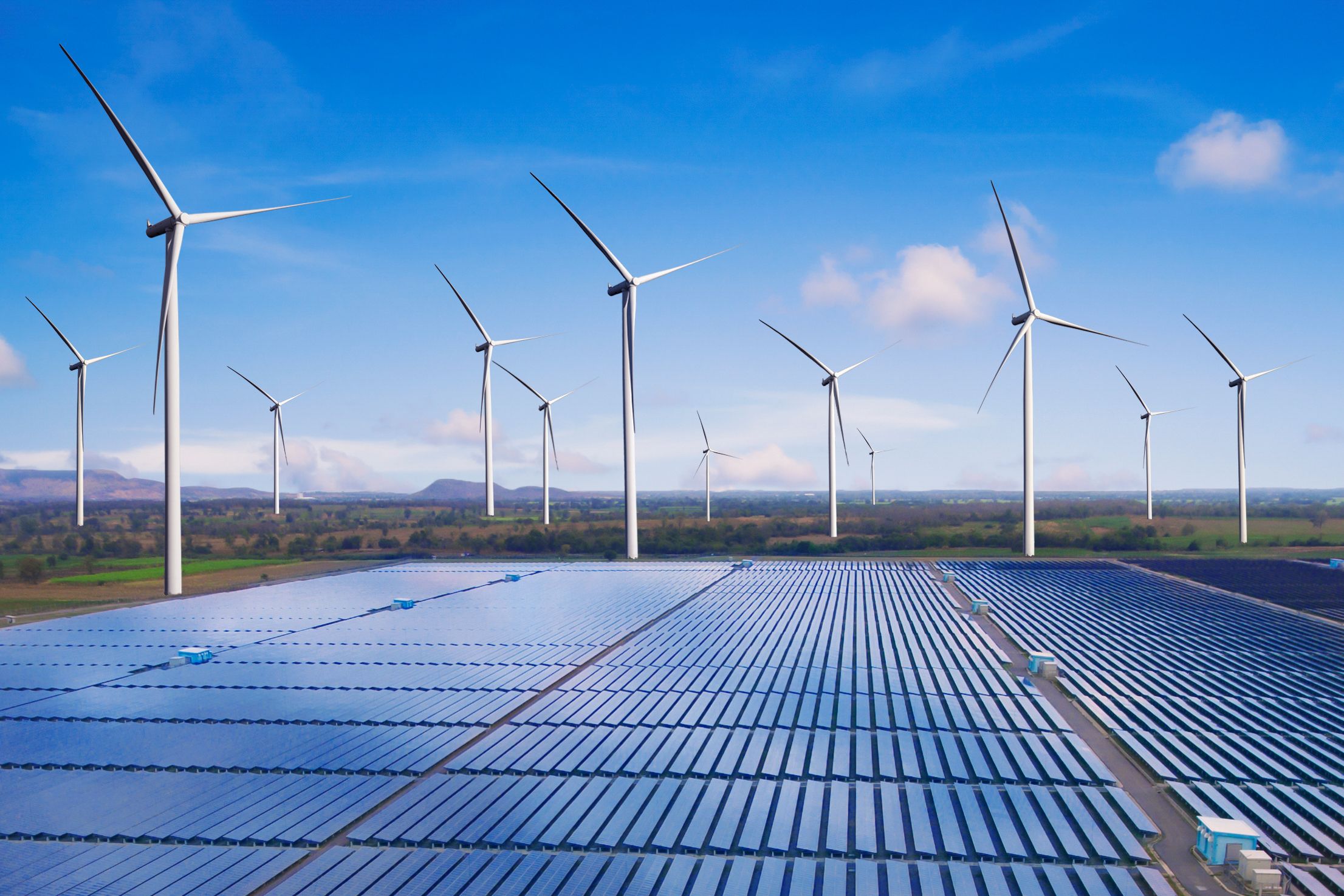
In recent years, drones have transformed numerous industries by offering innovative solutions that enhance efficiency and accuracy. One field where drones are making a significant impact is in the management of solar farms. By integrating thermography with drone technology, solar farms can now detect issues more efficiently, ensuring optimal performance and longevity.
Traditional methods of inspecting solar panels are often labor-intensive and time-consuming. However, with the advent of drones equipped with thermal cameras, the process has become more streamlined and effective. This technology is revolutionizing how solar farms operate, allowing managers to identify hotspots and potential failures quickly.
Improved Efficiency and Cost Savings
One of the primary advantages of using drones in solar farm thermography is the significant reduction in inspection time. Drones can cover vast areas in a fraction of the time it would take for a human team to do the same. This efficiency not only saves time but also reduces labor costs, making it a cost-effective solution for solar farm management.
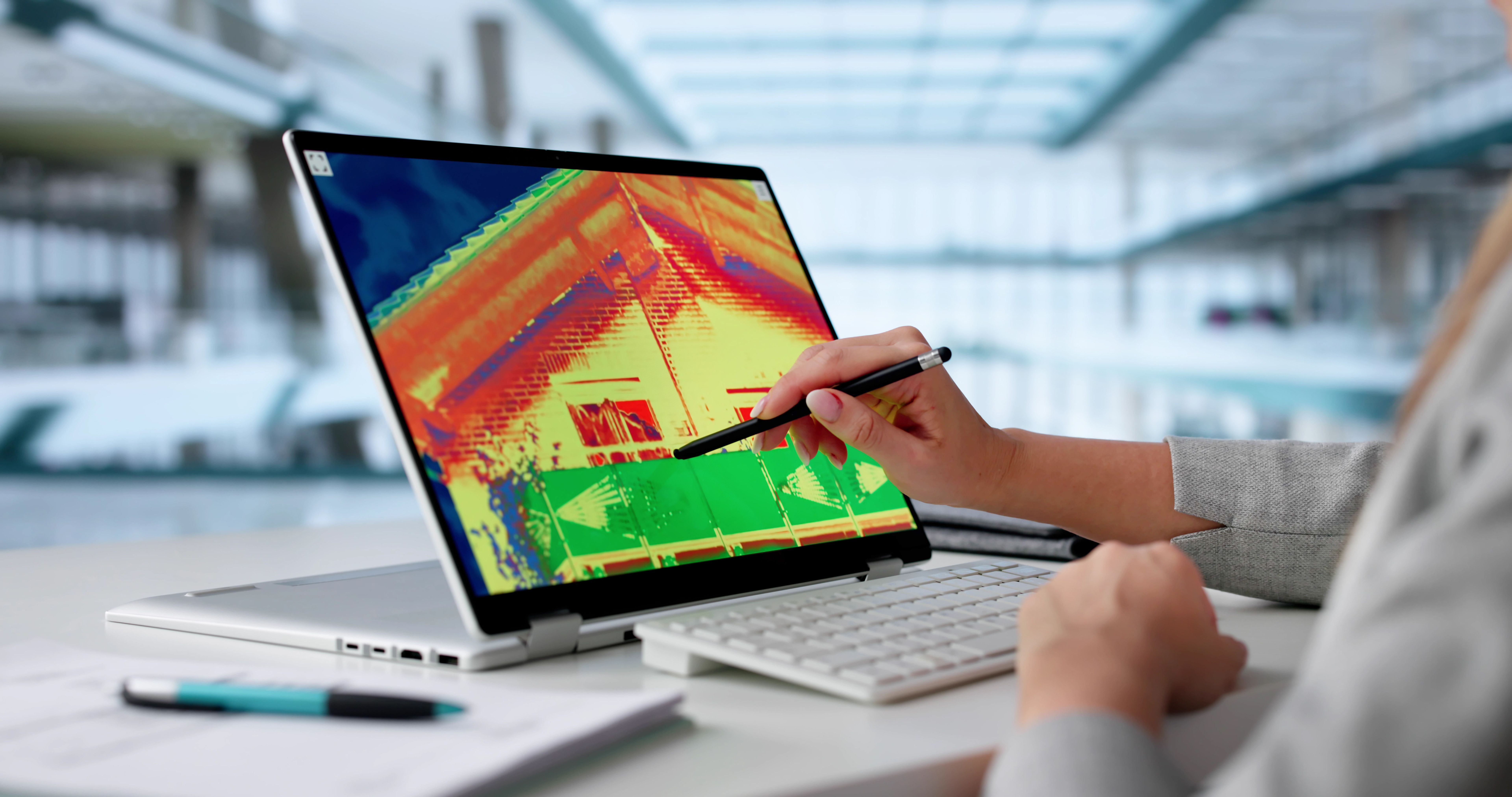
Moreover, drones equipped with thermal imaging can detect issues that are not visible to the naked eye. This ability to identify and address problems before they escalate can prevent costly repairs and extend the lifespan of solar panels.
Real-time Data and Analysis
Drones provide real-time data, allowing for immediate analysis and decision-making. This capability is crucial for maintaining the efficiency of solar farms, as it enables quick response to any detected issues. By utilizing advanced software, operators can analyze thermal images and generate detailed reports, facilitating more informed maintenance strategies.
Enhanced Safety and Accessibility
Safety is a paramount concern in any industrial operation. Drones enhance safety by reducing the need for personnel to physically access potentially hazardous areas. This is particularly beneficial in solar farms, where accessing certain parts of the installation can be challenging.
Furthermore, drones can easily navigate difficult terrains and reach high or hard-to-access areas. This capability ensures comprehensive inspections without putting workers at risk, improving overall safety standards.
Environmental Benefits
Drones contribute to the environmental sustainability of solar farms by optimizing their performance and efficiency. By detecting and addressing issues promptly, drones help maintain the energy output of solar panels, maximizing renewable energy production. This proactive approach supports the global shift towards cleaner, more sustainable energy sources.
The Future of Drone-Assisted Thermography
As technology continues to advance, the integration of drones in solar farm thermography is expected to become even more sophisticated. Innovations such as artificial intelligence and machine learning are likely to enhance the precision and capabilities of thermal inspections, providing even greater insights and efficiencies.
The potential for drones in solar energy management is vast. As the industry grows and evolves, drones will undoubtedly play a crucial role in shaping the future of renewable energy, ensuring that solar farms operate at their highest potential.