Maximizing Solar Farm Efficiency: The Role of Drone Thermography


Understanding Solar Farm Efficiency
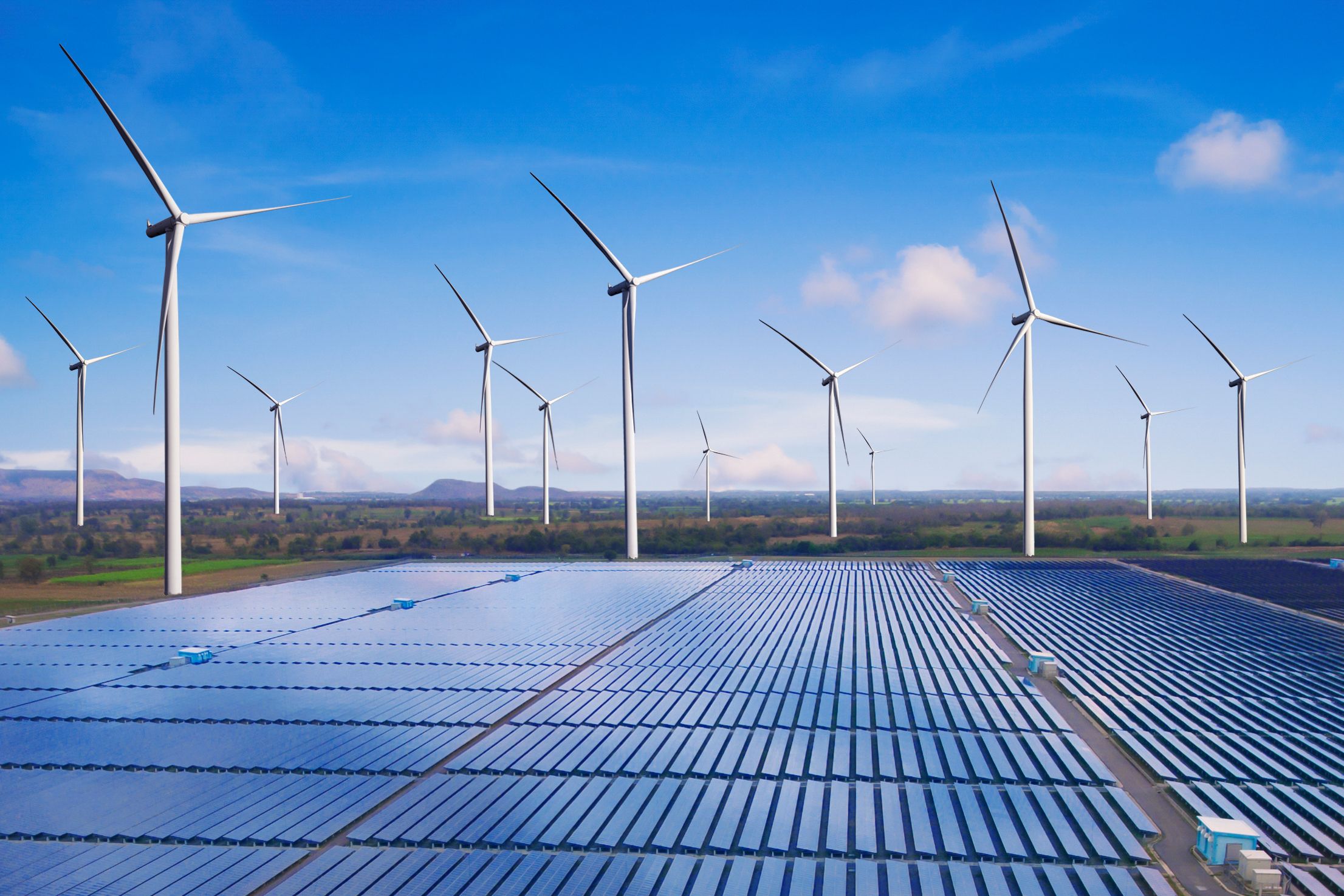
Solar farms have become an integral part of the renewable energy landscape, providing a sustainable solution to meet the world's growing energy demands. However, the efficiency of these solar farms is crucial to maximizing their output and ensuring a return on investment. Drone thermography has emerged as a revolutionary tool in enhancing this efficiency by offering precise and actionable insights.
The Basics of Drone Thermography
Drone thermography involves using drones equipped with thermal imaging cameras to capture heat maps of solar panels. These heat maps reveal temperature variations across the panels, identifying potential issues such as hotspots or defective cells. This technology provides a non-invasive, accurate, and quick way to inspect large solar installations.
Benefits of Using Drone Thermography
There are several key benefits to integrating drone thermography into solar farm maintenance:
- Efficiency: Drones can cover extensive areas rapidly, minimizing the time and labor costs associated with manual inspections.
- Accuracy: Thermal cameras detect even minor temperature differences, pinpointing issues not visible to the naked eye.
- Safety: By reducing the need for physical inspections, drones enhance safety for maintenance personnel.
Enhancing Maintenance Strategies
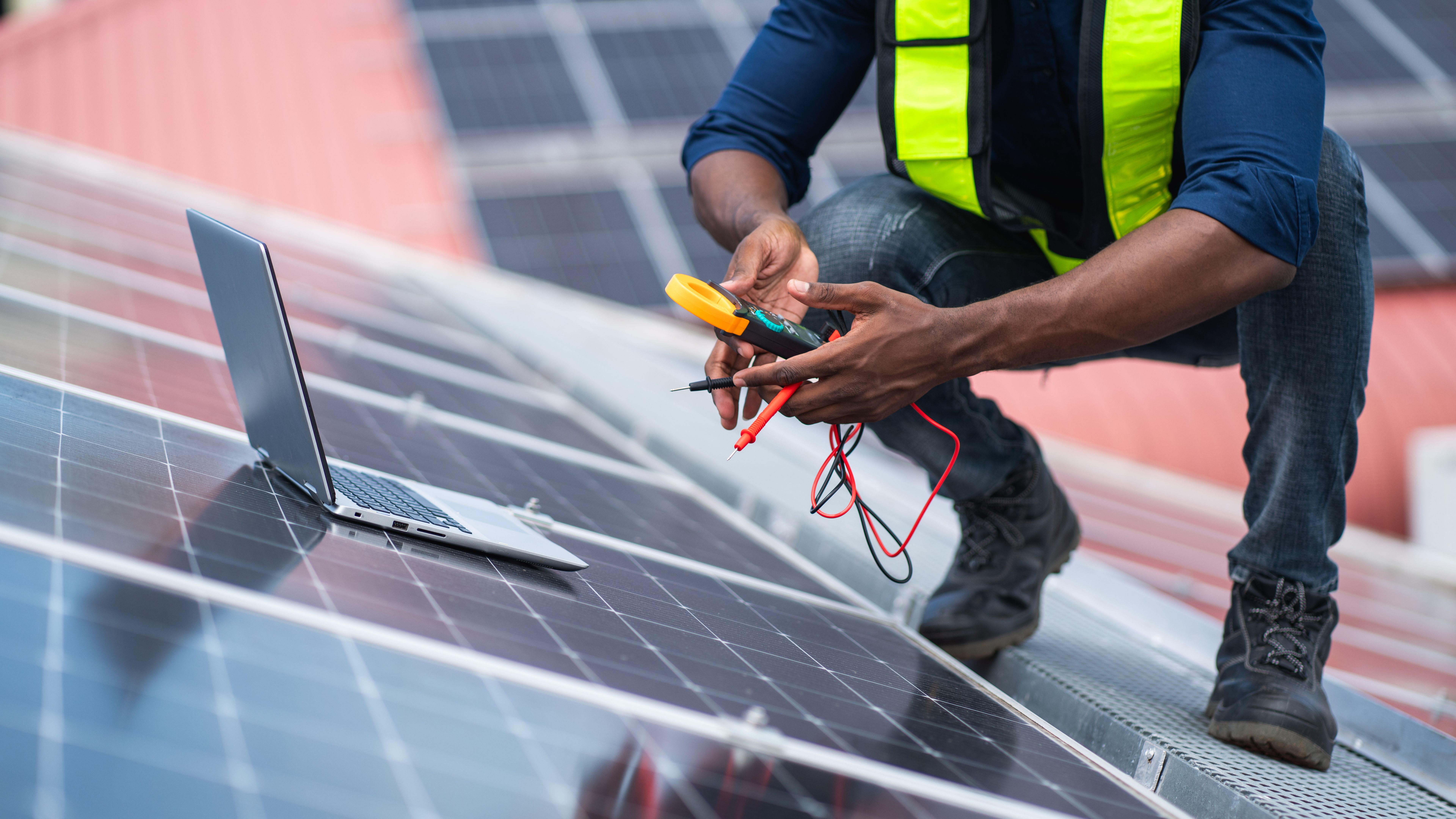
Regular maintenance is crucial for solar farm efficiency. Drone thermography aids in developing predictive maintenance strategies by identifying potential failures before they escalate. This proactive approach allows operators to address issues promptly, reducing downtime and maintaining optimal energy production.
Cost-Effectiveness and ROI
Investing in drone thermography is cost-effective in the long run. While the initial setup may require resources, the reduction in maintenance costs and increased energy output ensures a positive return on investment. By preventing costly repairs and maximizing uptime, solar farms can achieve higher profitability.
Environmental Impact
Solar farms contribute to environmental conservation by reducing reliance on fossil fuels. By maximizing their efficiency through drone thermography, we not only increase energy production but also enhance the environmental benefits. Efficient solar farms produce more clean energy, significantly reducing the carbon footprint.
Future Prospects
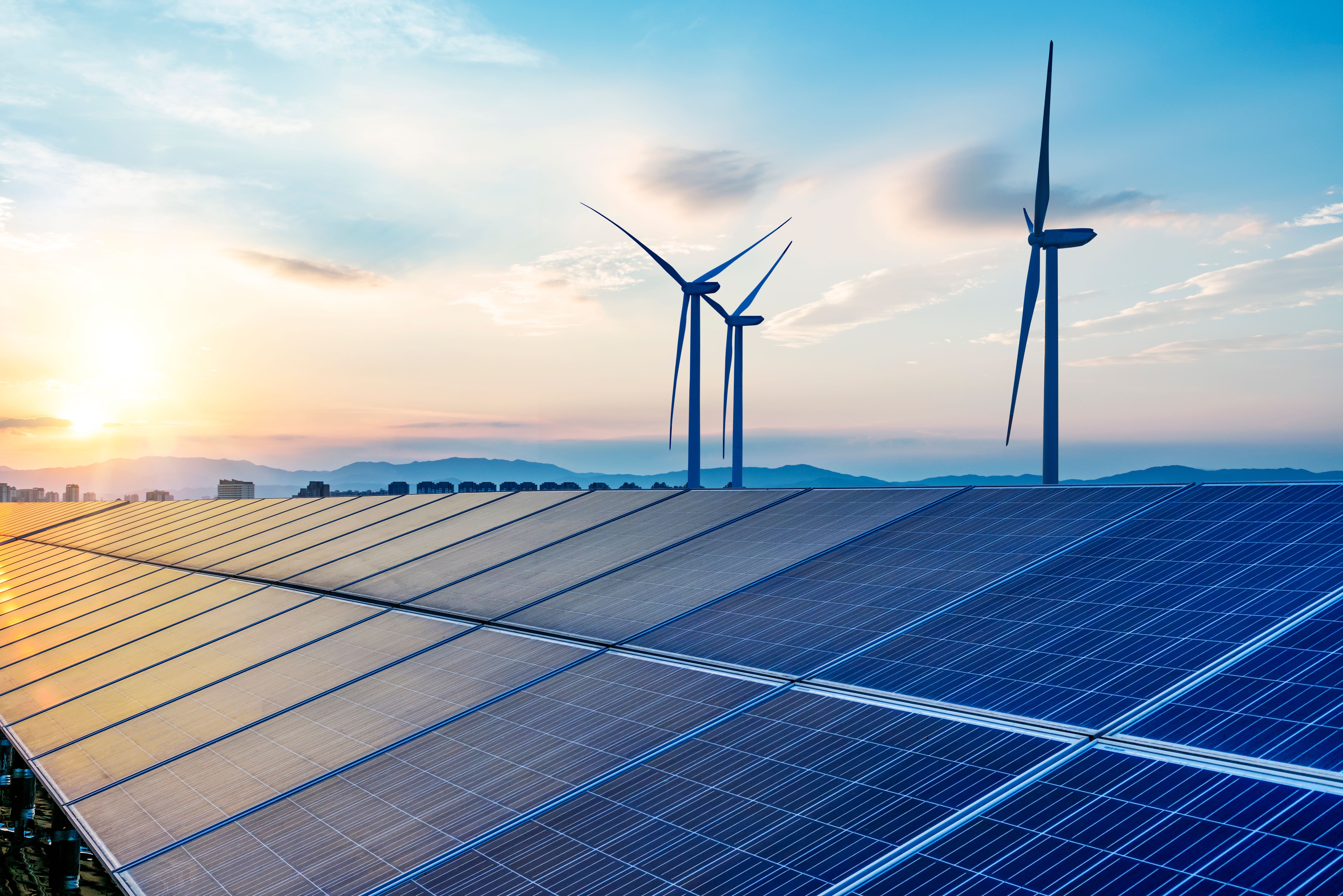
The integration of drone thermography in solar farm management is just the beginning. As technology advances, we can expect even more sophisticated solutions, such as AI-driven analytics and automated maintenance workflows. These innovations will further optimize solar farm operations, paving the way for a sustainable energy future.
Conclusion
Maximizing solar farm efficiency is essential for sustainable energy production and financial viability. Drone thermography is proving to be a game-changer, offering precise, safe, and cost-effective insights into solar farm health. By adopting this technology, solar farm operators can ensure their installations are operating at peak efficiency, contributing to a cleaner, greener planet.