Maximizing Solar Farm Performance with Seasonal Thermal Inspections


In the rapidly evolving world of renewable energy, solar farms are playing an increasingly vital role in meeting global energy demands. To ensure these installations operate at peak efficiency, regular maintenance and inspections are essential. One of the most effective ways to enhance solar farm performance is through seasonal thermal inspections.
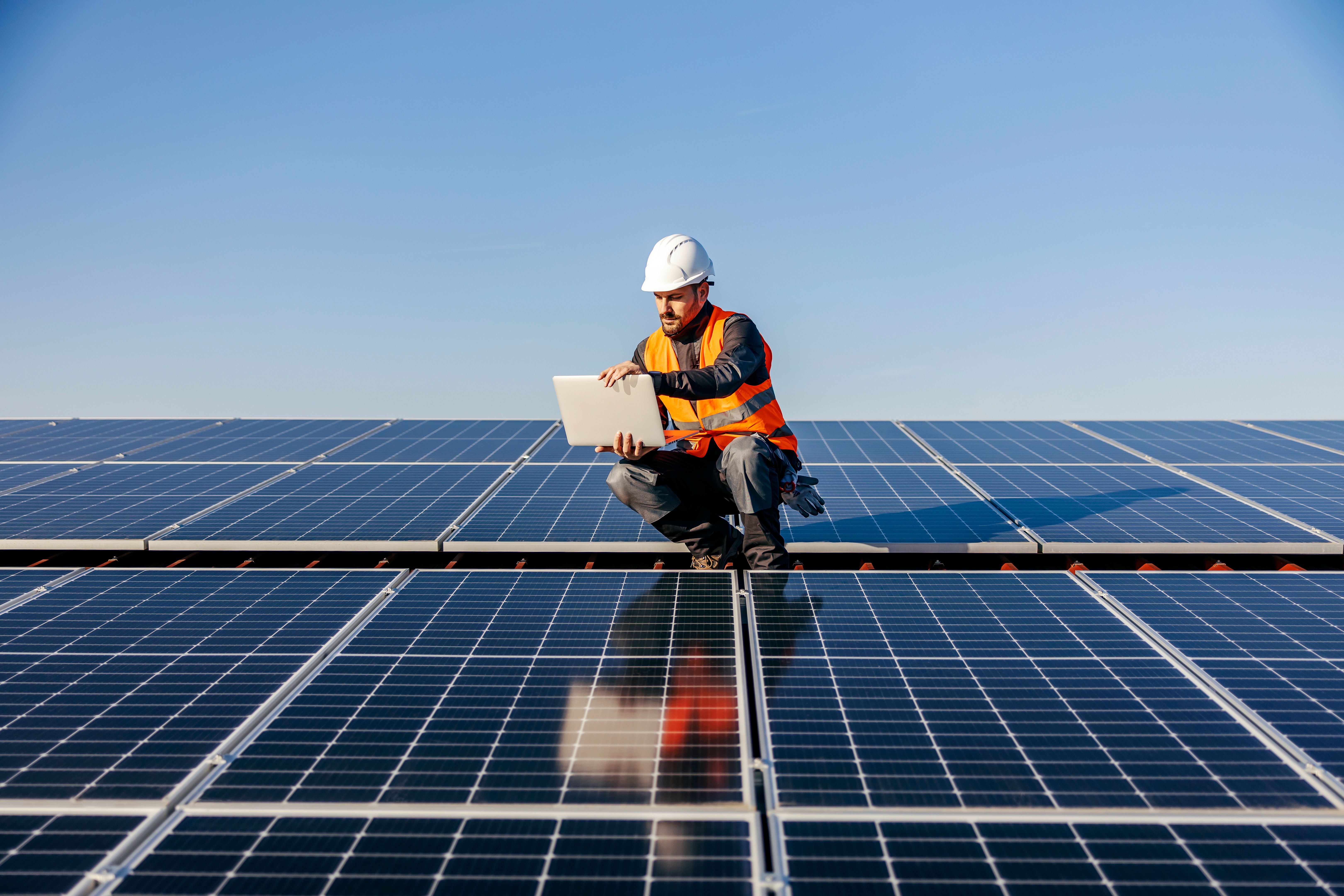
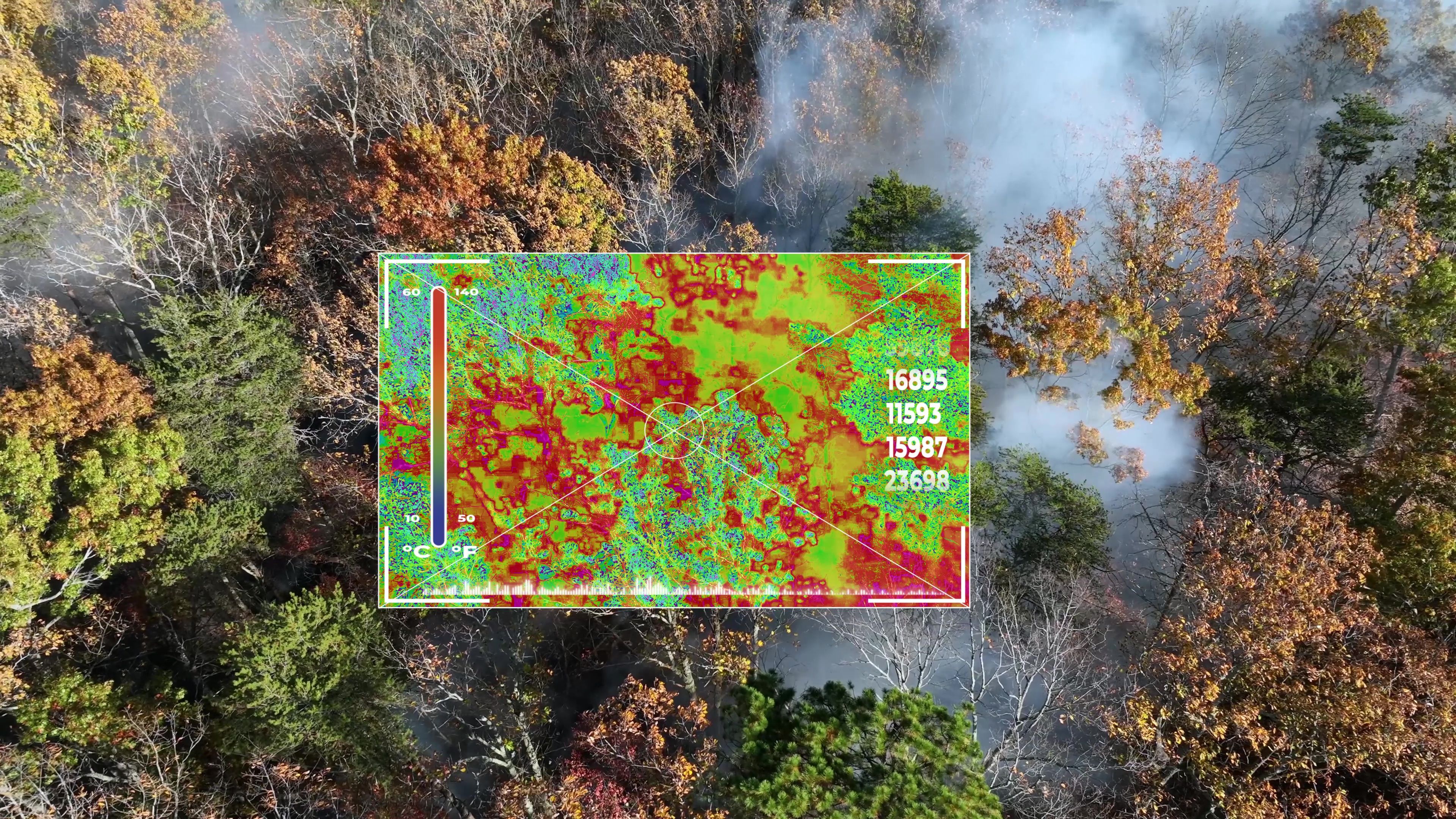
Thermal inspections use infrared technology to detect anomalies in solar panels that are invisible to the naked eye. By identifying issues early, operators can prevent minor problems from escalating into major failures. This proactive approach not only minimizes downtime but also extends the lifespan of the solar panels.
The Importance of Seasonal Inspections
Seasonal inspections are crucial because environmental factors vary throughout the year. Each season presents unique challenges that can affect the efficiency of solar panels. For instance, dirt and debris accumulation during autumn, or snow coverage in winter, can significantly impact performance.
By conducting thermal inspections seasonally, operators can address these issues promptly. This regular check-up ensures that solar panels are always in optimal condition, maximizing energy output and efficiency.
Spring and Summer: Preparing for Peak Performance
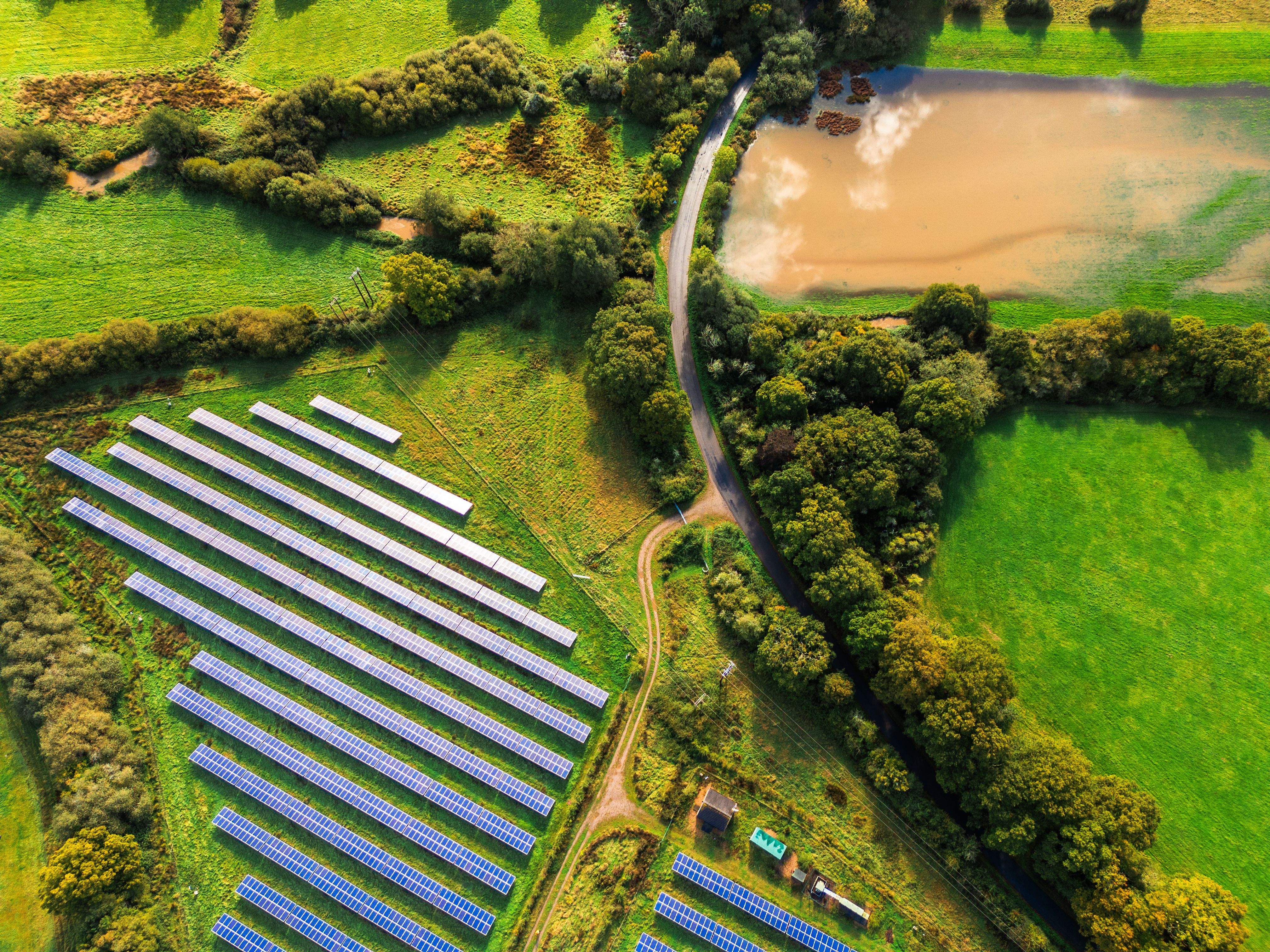
During spring and summer, solar farms are expected to generate the most energy. It's essential to ensure that panels are free from any hindrances that could limit their performance. Thermal inspections can identify hotspots, defective cells, and other anomalies that might reduce efficiency during these high-demand months.
Fall and Winter: Addressing Unique Challenges
In the fall, falling leaves and other debris can cover solar panels, reducing their efficiency. Thermal inspections can detect areas where debris may be causing blockages. In winter, snow and ice can obscure panels, leading to decreased performance.
Regular inspections during these seasons can help identify problems and ensure that panels are cleaned and maintained. This practice not only enhances energy production but also reduces the risk of long-term damage caused by environmental factors.
Implementing a Thermal Inspection Routine
To maximize the benefits of thermal inspections, it's important to establish a consistent routine. Here’s a simple guide to follow:
- Schedule inspections at the beginning of each season.
- Use high-quality infrared cameras to capture detailed images.
- Analyze the data to identify and address any anomalies.
- Implement necessary maintenance or repairs promptly.
Conclusion
Maximizing solar farm performance is crucial for meeting energy goals and ensuring a sustainable future. Seasonal thermal inspections offer a proactive strategy to maintain efficiency and prevent issues. By incorporating these inspections into regular maintenance routines, solar farm operators can ensure optimal performance year-round.
As the renewable energy sector continues to grow, leveraging cutting-edge technology like thermal inspections will be key to sustaining and enhancing solar farm operations. Regular, seasonal checks are a small investment that yields significant returns in both performance and longevity.