Myth-Busting: Are Drone Inspections Really Effective for Solar Farms?


Introduction to Drone Inspections
In recent years, the use of drones for inspecting solar farms has gained significant attention. As technology advances, the capabilities of drones in capturing detailed images and data have become an attractive option for many solar farm operators. However, questions remain about their actual effectiveness. In this article, we'll explore common myths and truths surrounding drone inspections for solar farms.
Understanding Drone Capabilities
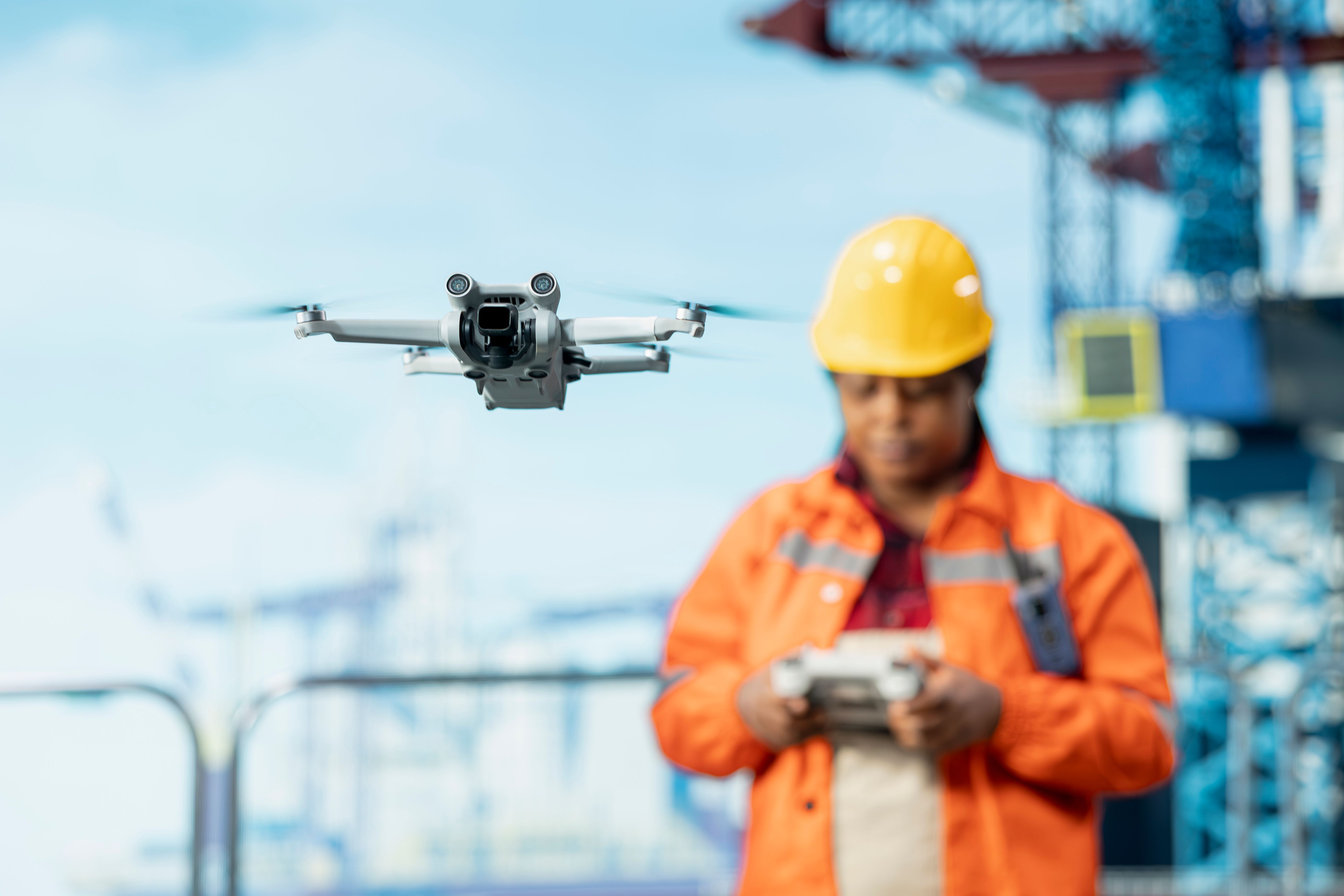
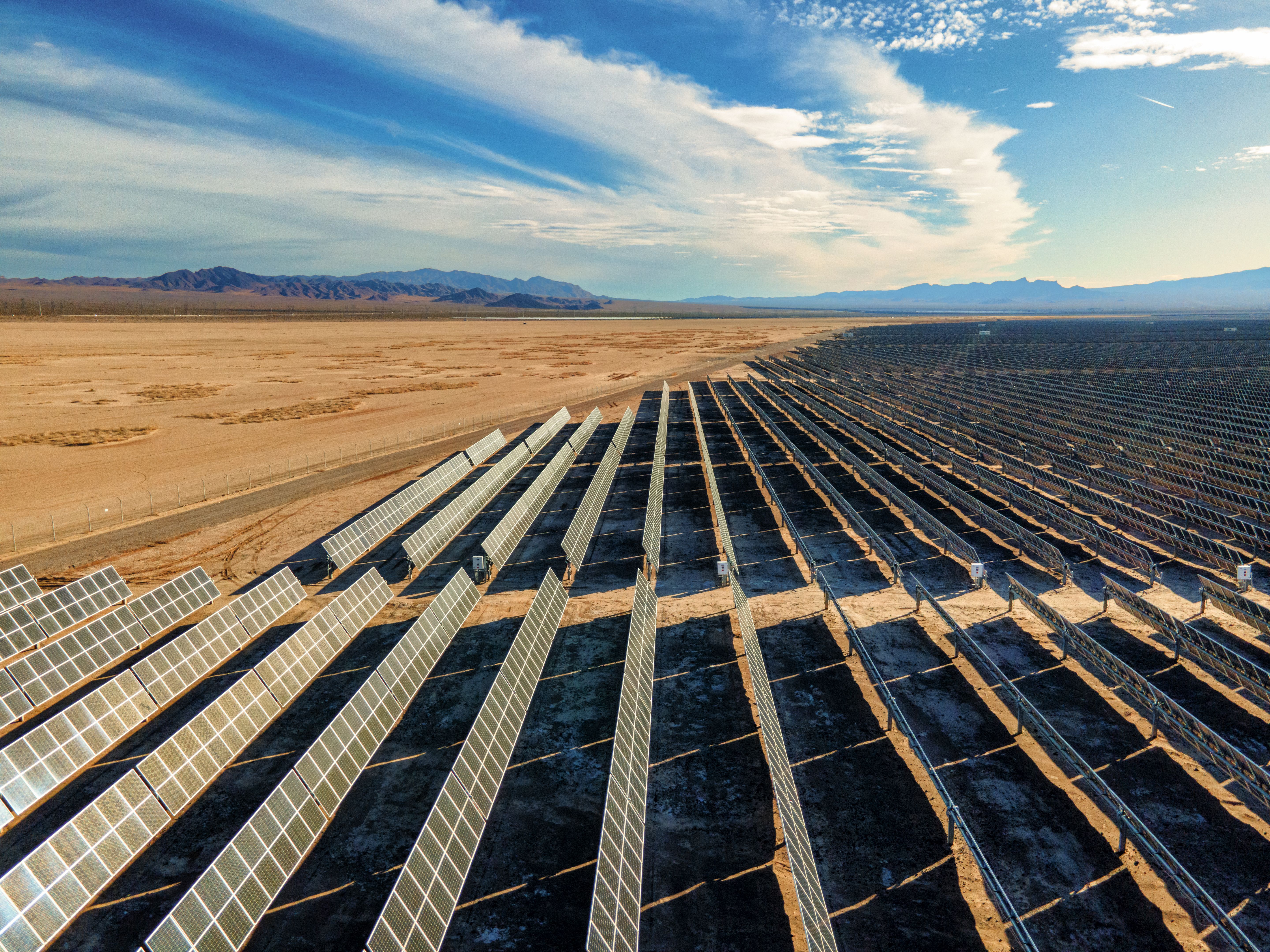
One of the main benefits of using drones is their ability to quickly survey large areas. Solar farms often cover vast expanses, making manual inspections time-consuming and labor-intensive. Drones equipped with high-resolution cameras and thermal imaging sensors can efficiently assess the condition of solar panels, identifying issues such as cracks, dirt accumulation, or overheating.
Moreover, drones provide a safer alternative to traditional inspection methods. Instead of having technicians climb on panels or structures, drones can capture detailed images from above, reducing the risk of accidents.
Cost-Effectiveness of Drone Inspections
Another common myth is that drone inspections are prohibitively expensive. While there is an initial investment in drone technology, the long-term savings can be substantial. Drones can complete inspections in a fraction of the time it would take a human crew, reducing labor costs. Additionally, early detection of issues can prevent costly repairs or energy losses.
It's also worth noting that drone technology is continually advancing, leading to more affordable and accessible options for solar farm operators.
Data Accuracy and Reliability
Some skeptics argue that drones may not provide reliable data. However, modern drones are equipped with sophisticated sensors that offer precise and accurate measurements. Thermal cameras, for instance, can detect temperature variations across solar panels, identifying hotspots that may indicate underlying issues.
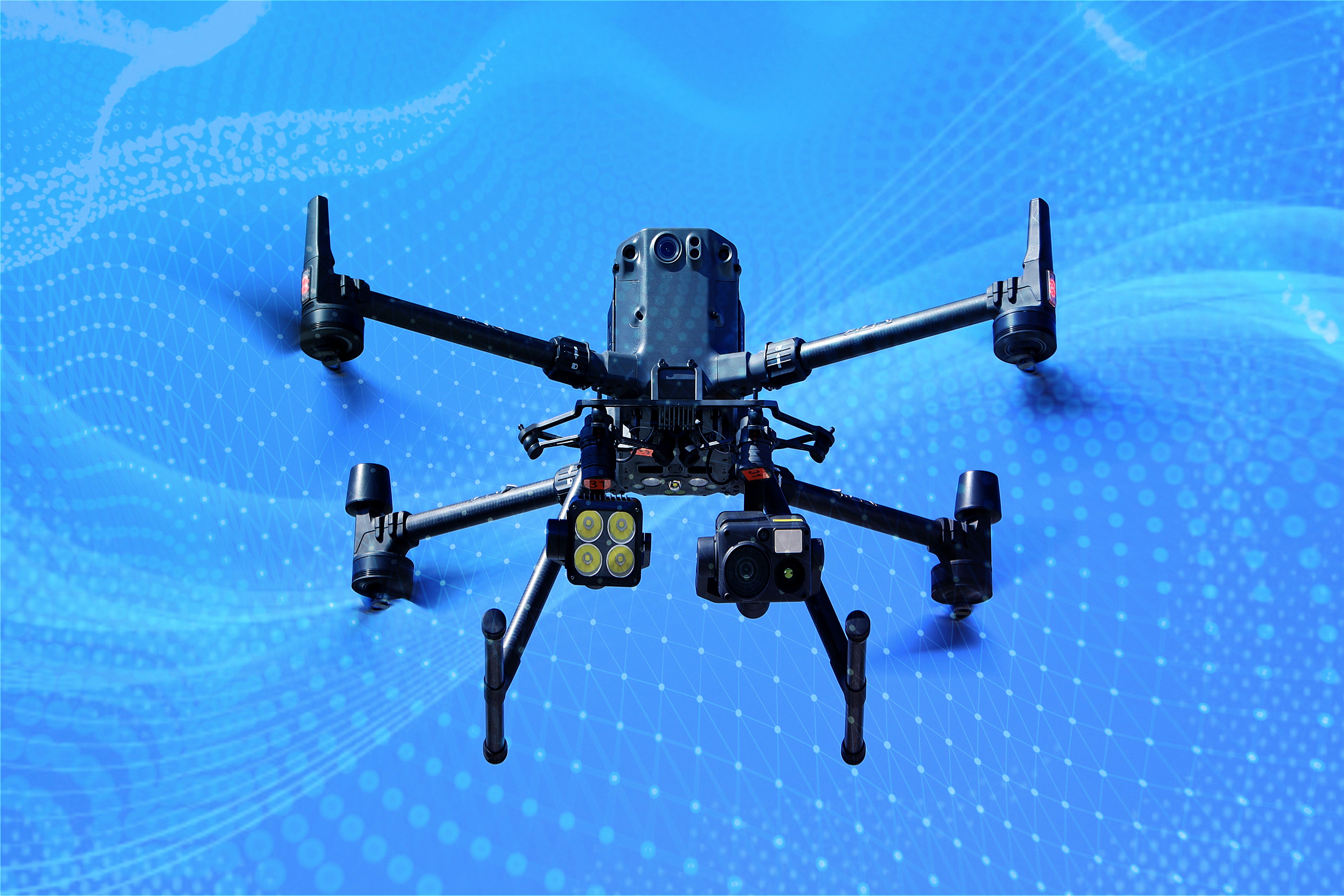
Furthermore, drones can integrate with data analytics software, providing comprehensive reports that help operators make informed decisions about maintenance and repairs.
Environmental Impact
Concerns about the environmental impact of drones are also common. However, drones are generally more environmentally friendly than traditional inspection methods. They consume less energy and create minimal disturbance to local wildlife compared to ground vehicles or helicopters.
By detecting and addressing inefficiencies in solar panels, drones indirectly contribute to enhanced energy production, supporting renewable energy goals.
Conclusion: The Future of Drone Inspections
Drones have proven to be an effective tool for inspecting solar farms, offering a range of benefits from cost savings to enhanced safety and data accuracy. While there are myths surrounding their use, the reality is that drones can play a crucial role in maintaining the efficiency and sustainability of solar energy production.
As drone technology continues to evolve, it is likely that their role in solar farm inspections will expand, making them an indispensable part of renewable energy management.