Summer Heat Monitoring with Drones: Protecting Your Solar Investment


Introduction to Drone Technology in Solar Monitoring
As summer temperatures soar, protecting your solar investment becomes increasingly important. Heat can impact the efficiency and longevity of solar panels. Fortunately, advances in drone technology provide innovative solutions for monitoring and maintaining solar installations.
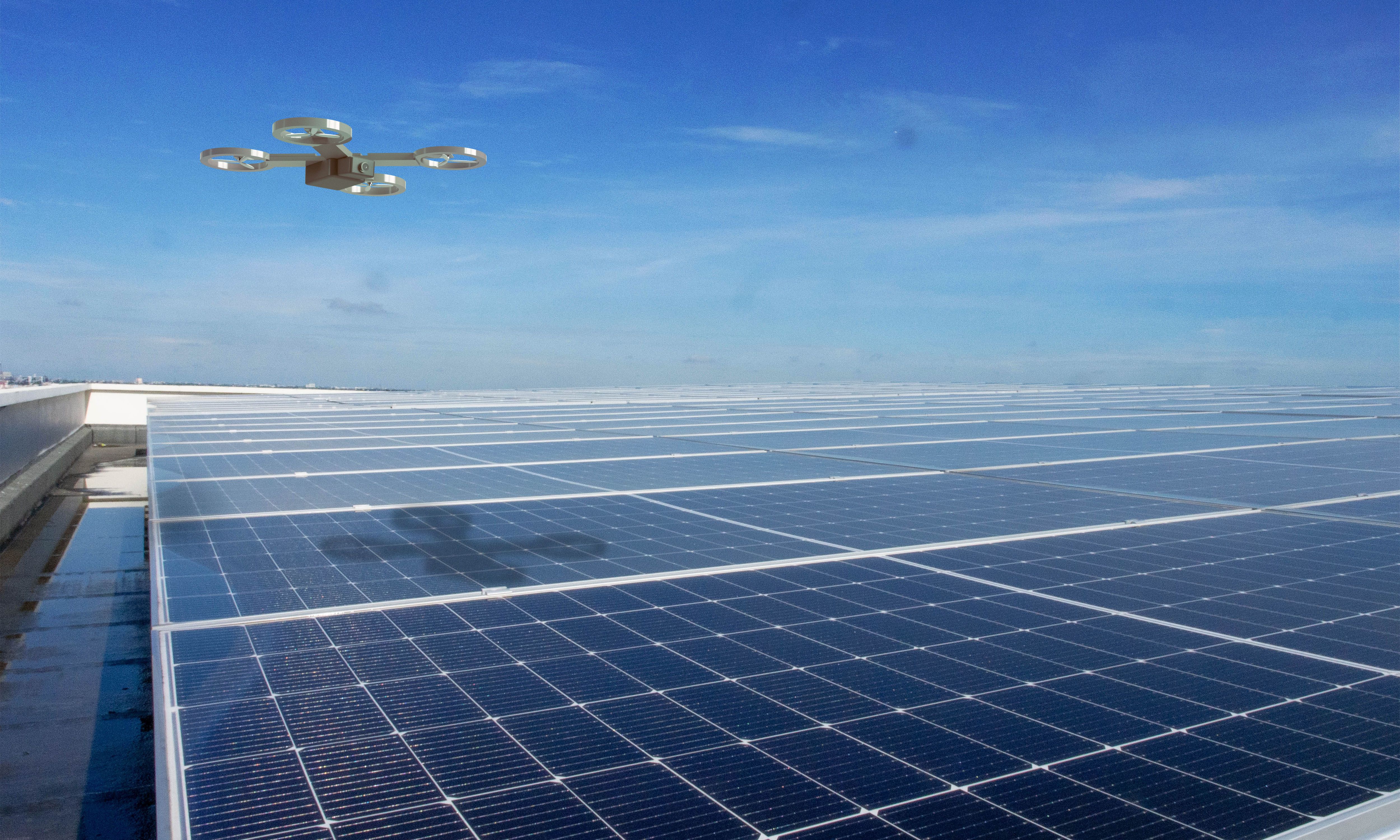
Drones offer a bird's-eye view of solar farms, allowing for comprehensive inspections without the need for physical access. This not only saves time but also reduces the risk of damage to the panels themselves.
Advantages of Drone Monitoring
Drones equipped with thermal cameras can quickly identify hotspots on solar panels. These hotspots could indicate malfunctioning cells or debris buildup, both of which can reduce efficiency. By detecting these issues early, operators can address them promptly, maximizing energy production.
Moreover, drones can cover large areas in a fraction of the time it would take for a human inspector. This efficiency is crucial during the summer months when solar panels are working hardest to capture sunlight.
Implementing a Drone Monitoring System
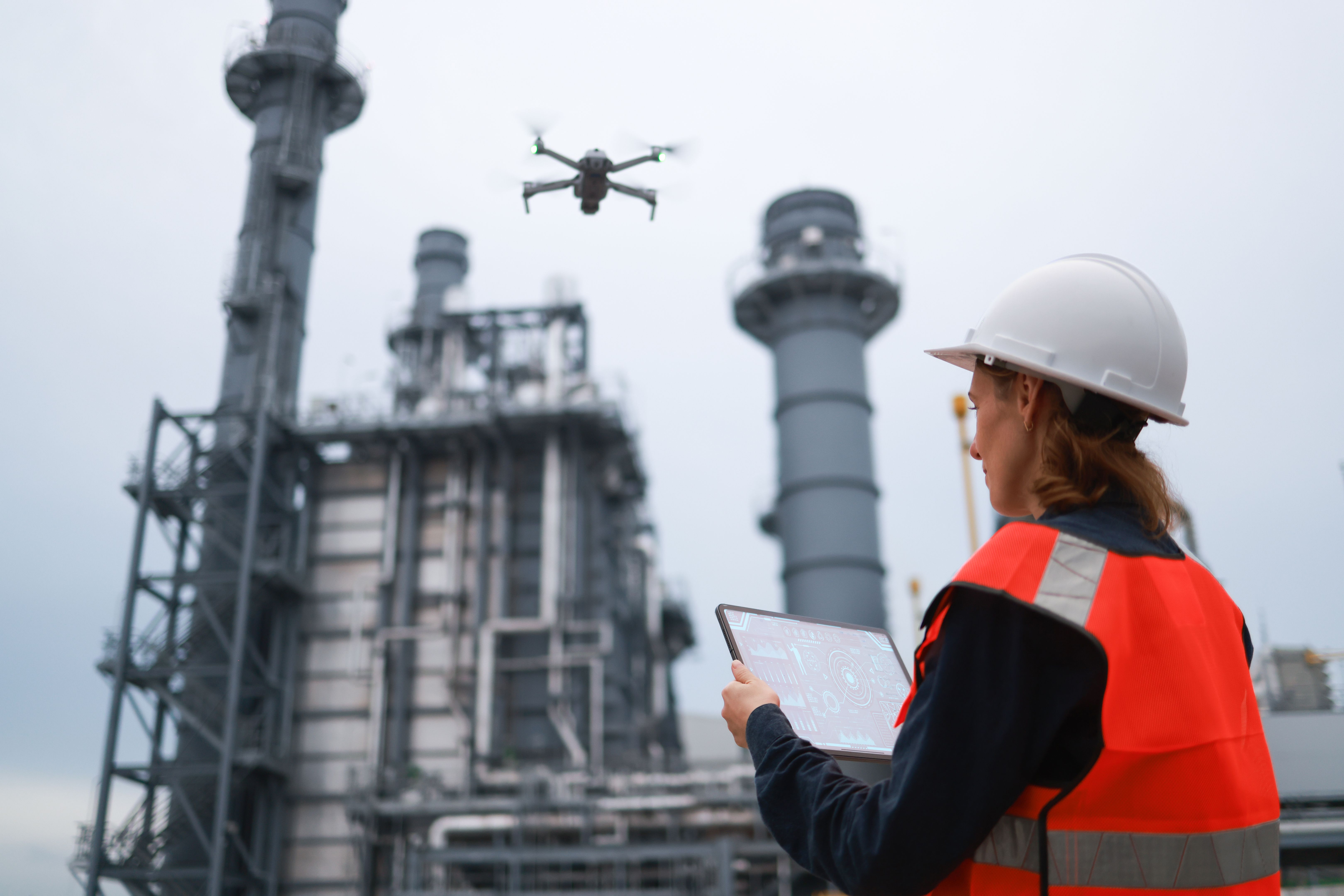
Integrating drones into your solar monitoring routine involves several steps:
- Choose the right drone equipped with thermal imaging capabilities.
- Train personnel or hire experienced drone operators.
- Establish a regular inspection schedule to stay ahead of potential issues.
By following these steps, you can ensure that your solar panels are operating optimally throughout the summer.
Cost-Effectiveness and ROI
While the initial investment in drone technology might seem significant, the long-term benefits are undeniable. Drones reduce the need for manual inspections, which can be costly and time-consuming. Additionally, by identifying issues early, you can prevent costly repairs and maintain high energy output.
The return on investment (ROI) for drone monitoring can be substantial, particularly for large-scale solar farms. Efficient monitoring leads to consistent energy production, which directly translates into increased revenue.
Environmental Benefits
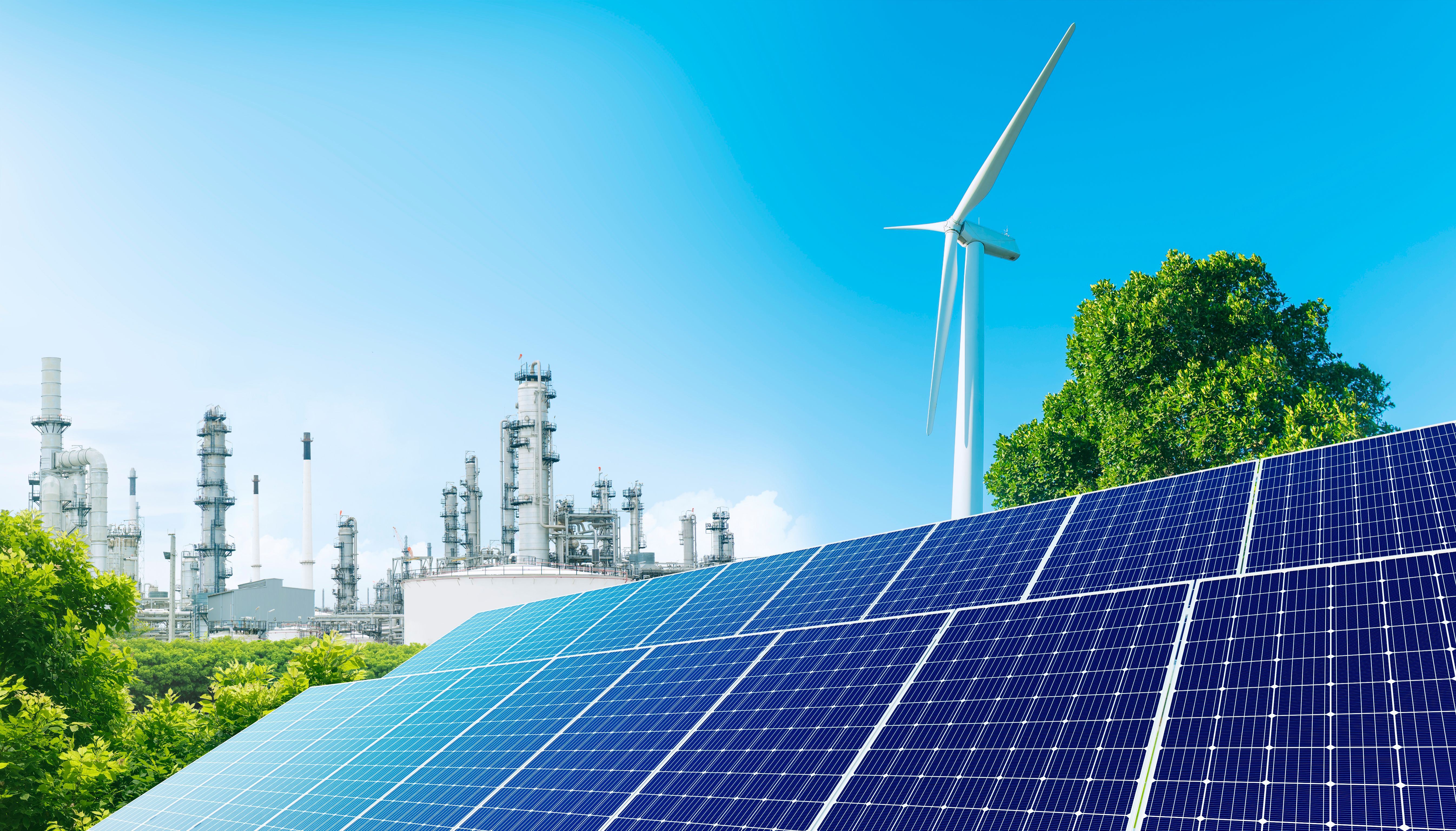
Utilizing drones for solar monitoring also offers environmental advantages. By ensuring that solar panels are functioning efficiently, drones contribute to the sustainable production of clean energy. This aligns with broader environmental goals and supports the transition to renewable energy sources.
Furthermore, drones themselves are a low-impact technology, requiring minimal energy compared to traditional inspection methods.
Conclusion
In conclusion, drones are revolutionizing the way we monitor and maintain solar investments, particularly during the challenging summer months. By providing rapid, precise, and cost-effective monitoring solutions, drones help ensure that solar panels operate at peak efficiency.
Investing in drone technology not only protects your solar assets but also supports a sustainable future by maximizing clean energy production. As technology continues to advance, the role of drones in solar monitoring is set to expand, offering even more innovative solutions for solar investors.