The Future of Solar Farm Maintenance: Harnessing Drone Technology


The solar energy industry is experiencing rapid growth, and with this expansion comes the need for efficient and innovative maintenance solutions. One of the most promising advancements in this area is the use of drone technology. Drones are revolutionizing the way solar farms are maintained, offering a host of benefits that traditional methods simply can't match.
The Rise of Drone Technology in Solar Farms
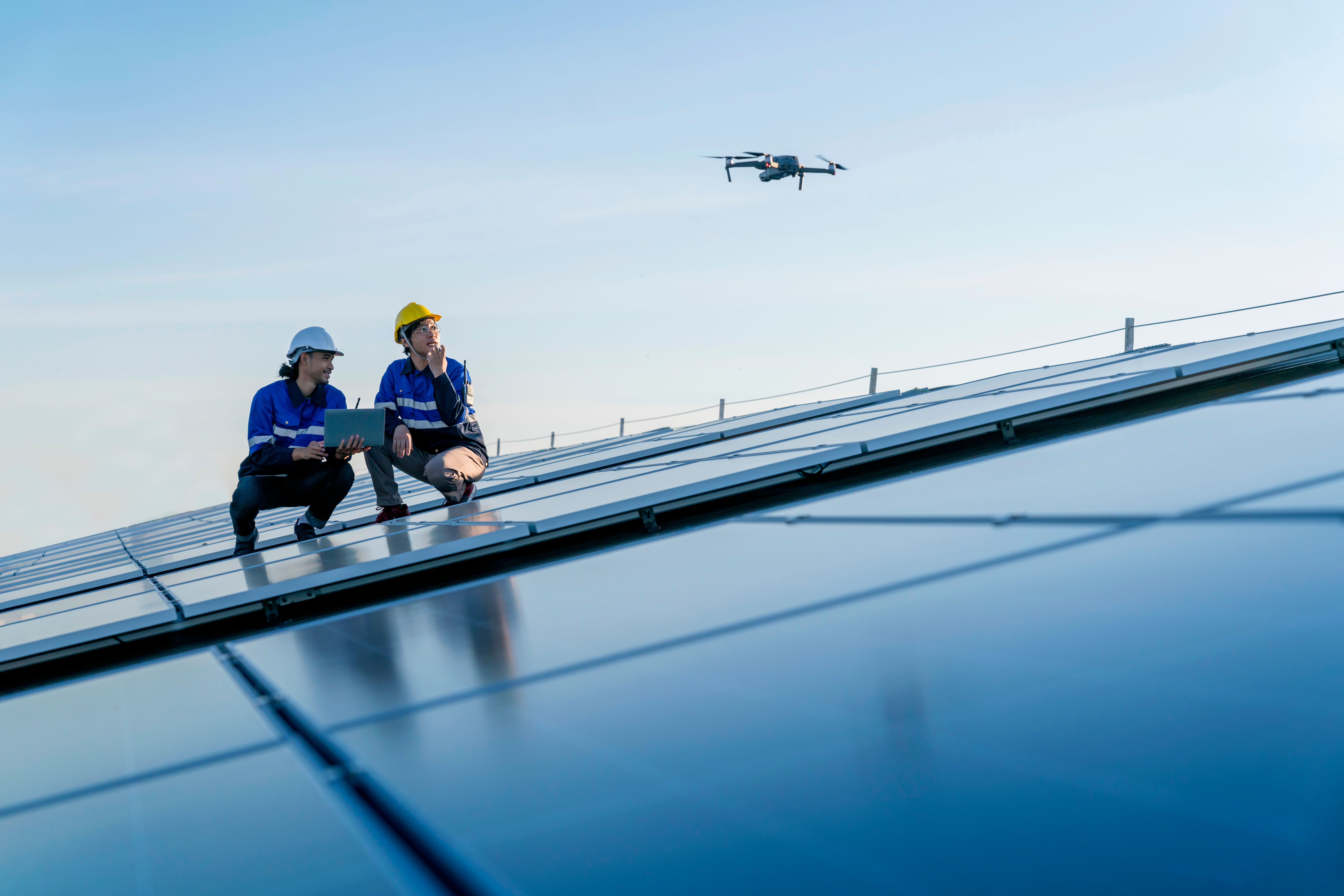
As solar farms increase in size and number, the challenges of maintaining these installations become more complex. Traditionally, maintenance involved manual inspections, which were time-consuming and often prone to human error. Drones, however, are changing the game by providing a faster, safer, and more accurate way to inspect solar panels.
Equipped with high-resolution cameras and thermal imaging, drones can quickly identify issues such as panel damage, dirt accumulation, and electrical faults. This allows for timely interventions, ensuring that solar farms operate at maximum efficiency.
Efficiency and Cost-Effectiveness
Drones drastically reduce the time it takes to inspect a solar farm. What once took days or even weeks can now be completed in a matter of hours. This increased efficiency not only saves time but also significantly reduces labor costs. Solar farm operators can allocate their resources more effectively, focusing on repairs and improvements rather than inspections.
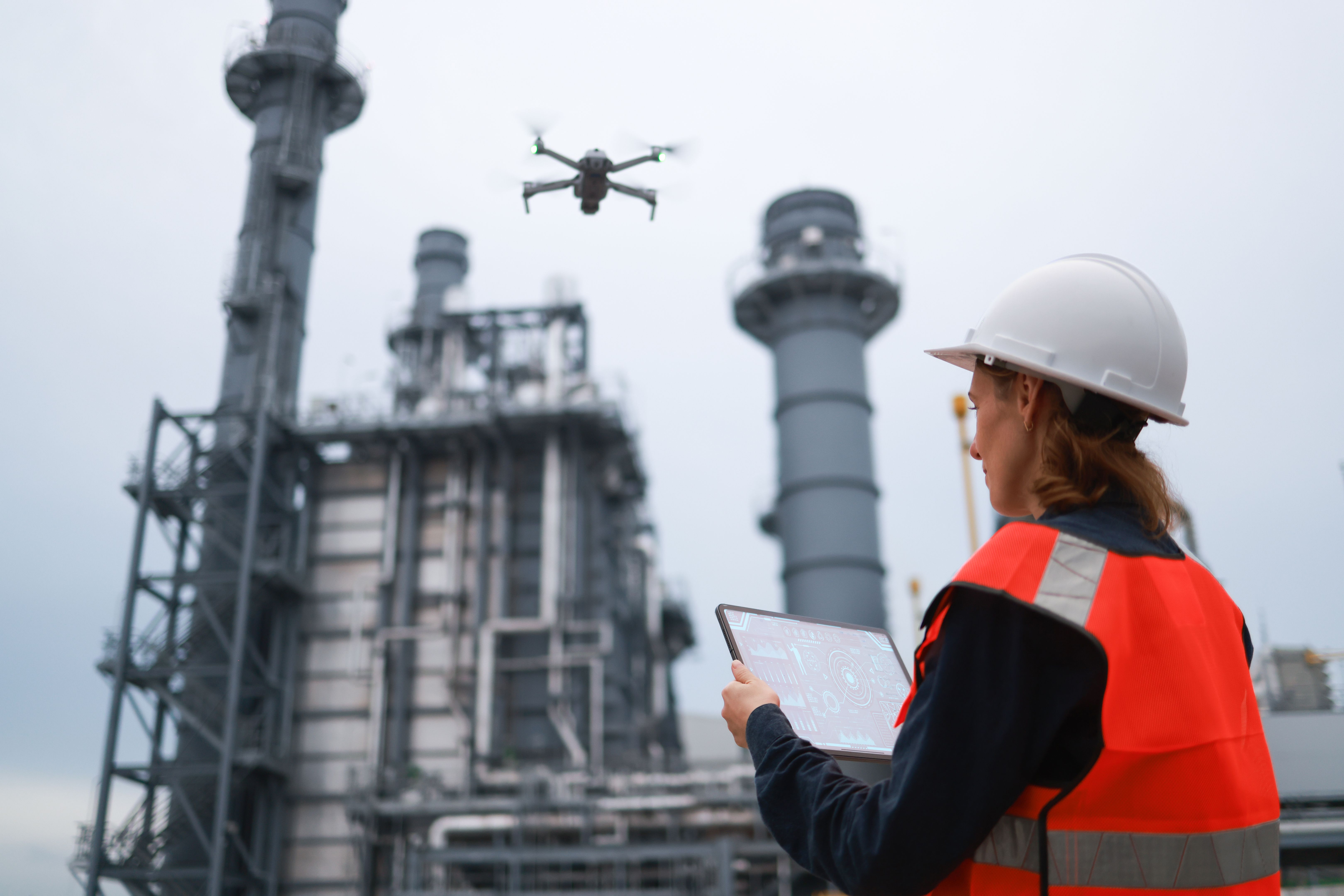
Moreover, drones can access hard-to-reach areas without the need for scaffolding or ladders. This not only enhances safety but also minimizes the risk of damage to the panels during inspections.
Data-Driven Insights
One of the most significant advantages of using drones is the wealth of data they provide. Advanced sensors and software allow drones to capture detailed information about the condition of solar panels. This data can be analyzed to identify trends, predict potential issues, and optimize maintenance schedules.
By leveraging this data, solar farm operators can implement predictive maintenance strategies, addressing problems before they escalate. This proactive approach helps to maintain optimal performance and extend the lifespan of solar panels.
Environmental and Safety Benefits
Drones also contribute to the sustainability goals of solar farms. By optimizing maintenance processes, they help reduce waste and improve energy efficiency. Additionally, the use of drones minimizes the environmental impact of maintenance activities, as fewer resources are required for inspections.
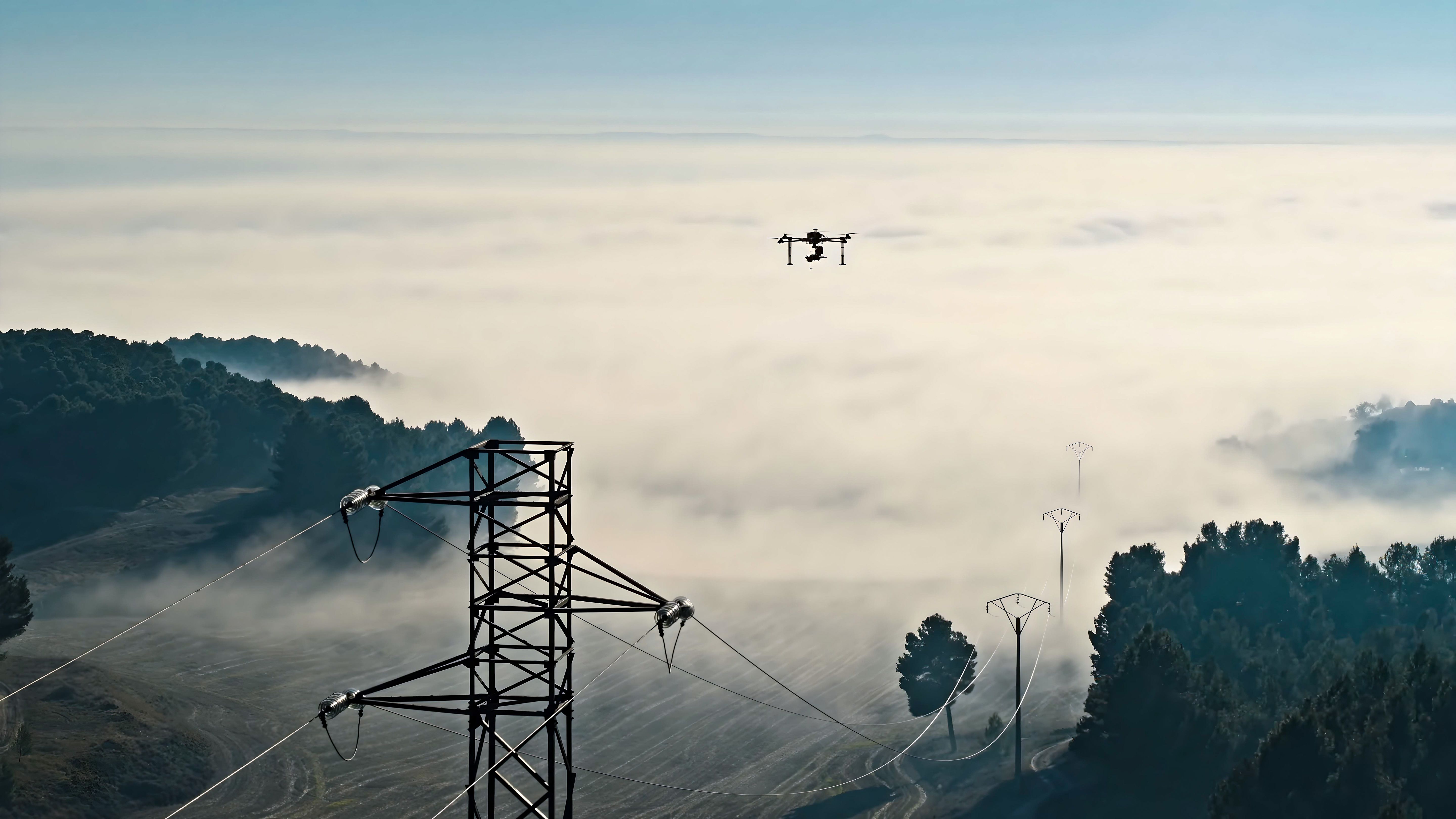
From a safety perspective, drones eliminate the need for technicians to physically access potentially hazardous areas. This reduces the risk of accidents and ensures a safer working environment for maintenance teams.
The Future of Drone Technology in Solar Maintenance
The future of solar farm maintenance is undoubtedly intertwined with the continued advancement of drone technology. As drones become more sophisticated, their capabilities will expand, offering even more precise and efficient solutions for solar farm operators.
Innovations such as artificial intelligence and machine learning are expected to further enhance the capabilities of drones, enabling them to autonomously navigate solar farms and conduct comprehensive inspections. This will lead to even greater efficiencies and cost savings, solidifying drones as an indispensable tool in the maintenance of solar farms.