The Ultimate Guide to Drone Thermography for Solar Farm Maintenance


Understanding Drone Thermography
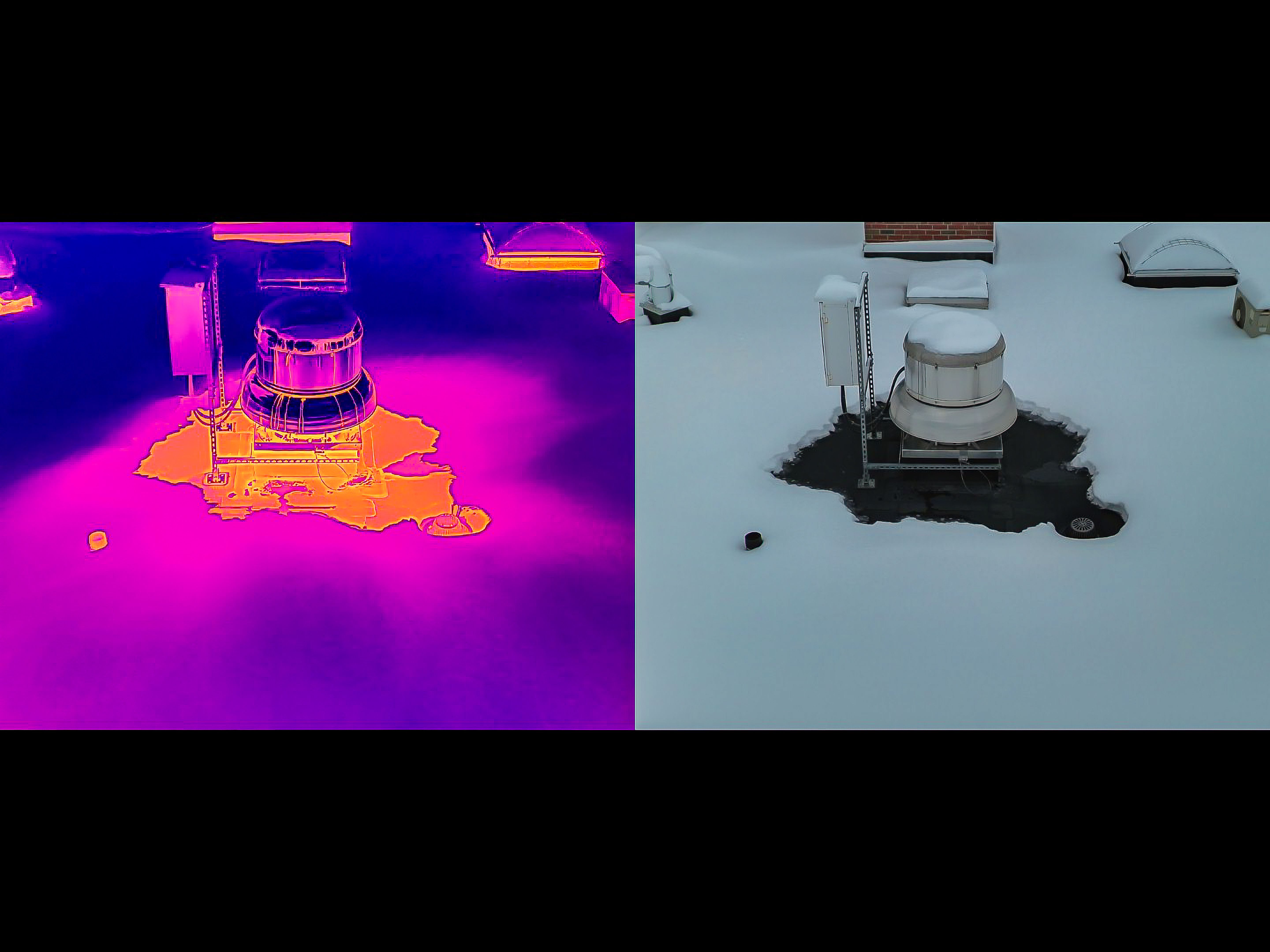
Drone thermography is a cutting-edge technique that leverages thermal imaging to assess the condition of solar panels in a farm. By using drones equipped with infrared cameras, operators can quickly identify issues that may not be visible to the naked eye. This technology is transforming how solar farms are maintained, enhancing efficiency and ensuring the optimal performance of solar panels.
Why Use Drone Thermography?
Drone thermography offers several advantages over traditional inspection methods. First, it provides a comprehensive overview of the solar farm, capturing detailed thermal images that can identify hotspots and defects. This allows for early detection of potential problems, preventing costly repairs and downtime. Additionally, using drones reduces the need for manual inspections, which can be time-consuming and hazardous.
The Process of Drone Thermography
The process begins with planning the flight path to ensure full coverage of the solar farm. Once the drone is airborne, it captures thermal images of the solar panels. These images are then analyzed using specialized software to detect anomalies. The entire process is efficient, with large areas being covered in a fraction of the time required by traditional methods.
Key Benefits of Drone Thermography
- Efficiency: Quickly covers large areas, reducing inspection time.
- Safety: Minimizes the need for personnel to physically inspect panels.
- Cost-effectiveness: Early detection of issues can prevent costly repairs.
- Accuracy: Provides precise data for targeted maintenance.
Challenges and Considerations
While drone thermography offers numerous benefits, there are challenges to consider. Weather conditions can affect the accuracy of thermal readings, so inspections are best conducted in stable weather. Additionally, skilled operators and analysts are required to interpret the data correctly. Despite these challenges, the benefits often outweigh the drawbacks.
Implementing Drone Thermography
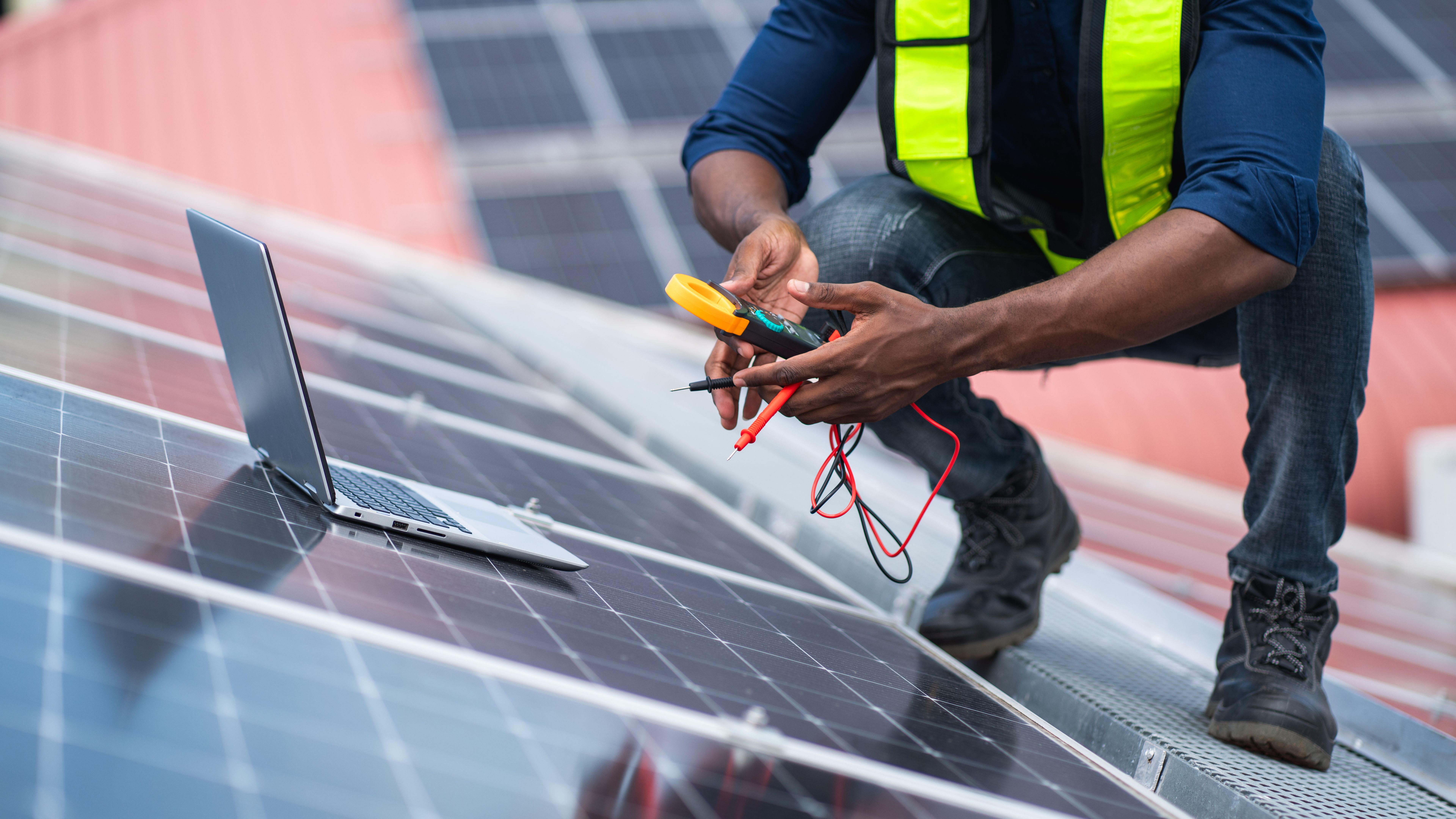
Implementing drone thermography in your solar farm maintenance routine involves choosing the right equipment and personnel. Investing in high-quality drones and thermal cameras will ensure accurate data collection. Furthermore, training staff or hiring experienced operators will maximize the effectiveness of the inspections.
Future of Drone Thermography in Solar Farms
The future of drone thermography in solar farms looks promising. As technology advances, we can expect even more precise and efficient thermal imaging capabilities. The integration of AI and machine learning could further enhance data analysis, providing deeper insights and automating some aspects of maintenance planning.
By staying ahead of these technological advancements, solar farm operators can continue to optimize their maintenance processes, ensuring sustainable and efficient energy production for years to come.