The Ultimate Guide to Drone Thermography for Solar Farm Maintenance


Understanding Drone Thermography
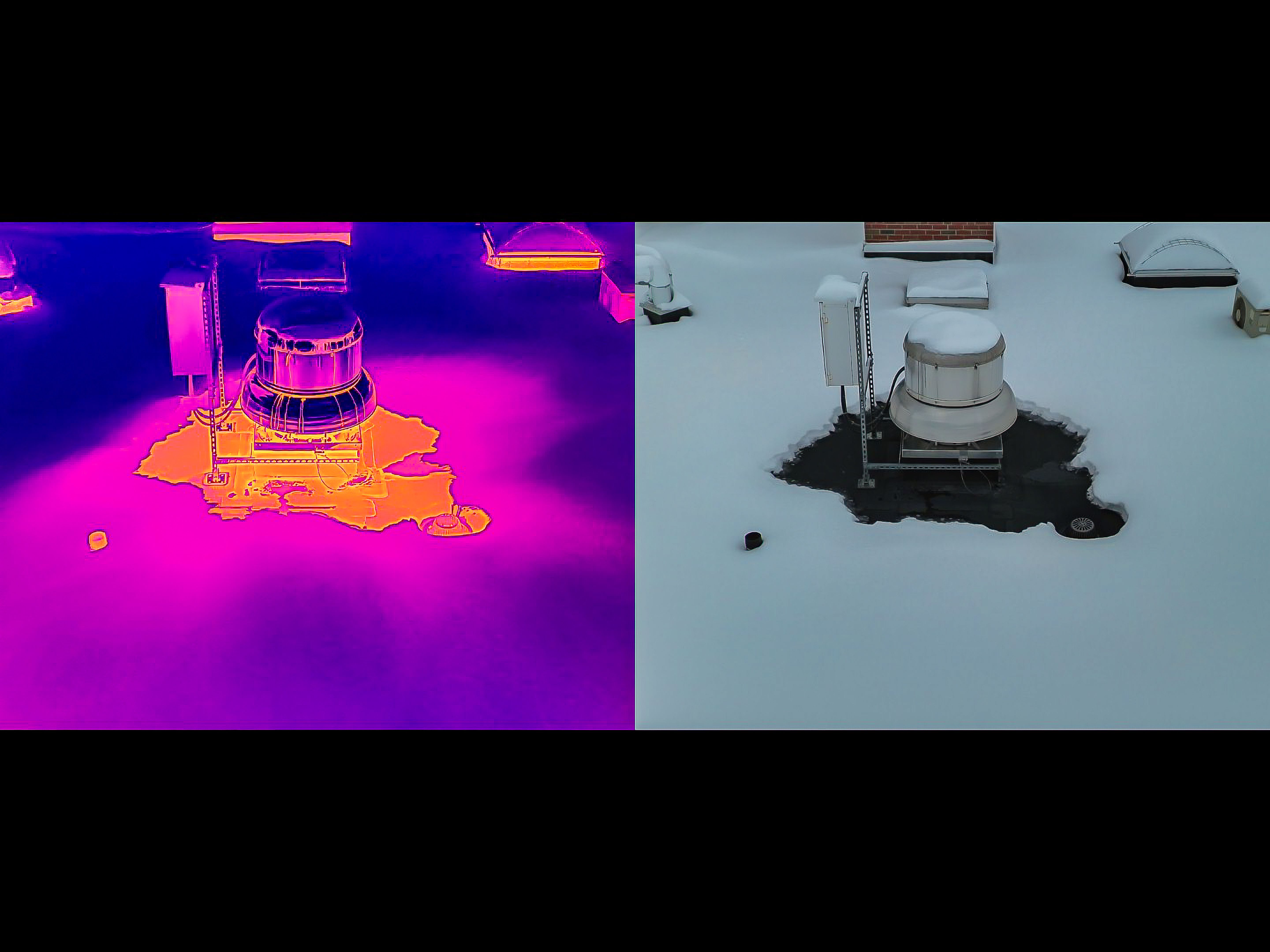
Drone thermography is a cutting-edge technology that utilizes thermal imaging cameras mounted on drones to capture temperature variations. This method is particularly effective for inspecting large areas quickly and efficiently, making it ideal for solar farm maintenance. By detecting anomalies that may indicate potential issues, drone thermography helps ensure that solar farms operate at peak efficiency.
Thermal cameras detect infrared radiation, allowing them to capture differences in temperature that are invisible to the naked eye. This capability is essential for identifying problems such as faulty panels or electrical issues that can hamper the performance of a solar farm.
Benefits of Using Drones for Solar Farm Maintenance
The use of drones equipped with thermal cameras offers numerous advantages over traditional inspection methods. Firstly, it significantly reduces the time and labor costs of manual inspections. Drones can cover vast areas quickly, providing real-time data that is crucial for prompt decision-making.
Additionally, drones enhance safety by eliminating the need for personnel to physically inspect potentially hazardous areas. This reduces the risk of accidents and ensures compliance with safety regulations. The high-resolution images and thermal maps generated by drones allow for precise identification of issues, leading to more effective maintenance strategies.
Key Features of Drone Thermography
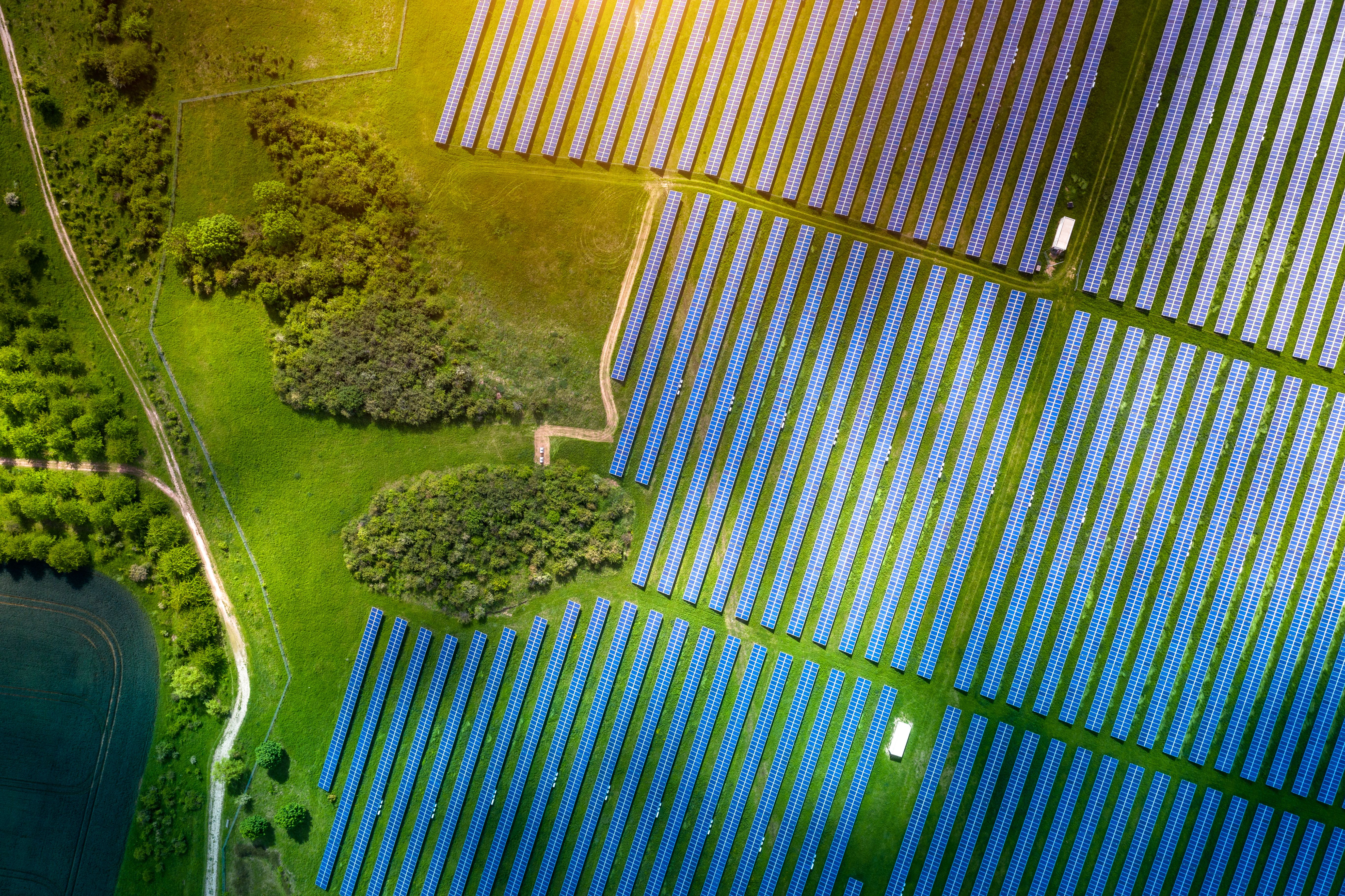
Drone thermography for solar farm maintenance comes with several key features that enhance its effectiveness. These include:
- High-resolution thermal imaging that provides detailed temperature data.
- GPS integration for accurate location mapping of detected issues.
- Automated flight paths that ensure comprehensive coverage of the solar farm.
Implementing Drone Thermography in Solar Farms
Integrating drone thermography into solar farm maintenance involves several steps. Initially, operators need to plan the flight path to ensure complete coverage of the area. This involves using software to map out the solar farm and define the drone's route.

Once the flight path is set, the drone is deployed to capture thermal images. These images are then analyzed to identify any temperature anomalies. Advanced software can automatically pinpoint areas of concern, allowing technicians to focus their efforts on specific panels or wiring that may need attention.
Challenges and Considerations
While drone thermography offers numerous benefits, there are also challenges to consider. Weather conditions can impact the quality of thermal images, so it is essential to plan inspections during optimal conditions. Additionally, operators must be trained in both drone piloting and thermal imaging analysis to maximize the technology's effectiveness.
Regulatory compliance is another critical factor. Operators must ensure that their drone operations adhere to local aviation regulations, which may include obtaining necessary permits and adhering to flight restrictions.
The Future of Drone Thermography in Solar Farms
As technology continues to advance, the role of drone thermography in solar farm maintenance is set to expand. Innovations in drone capabilities and thermal imaging technology promise even greater accuracy and efficiency, making this method an indispensable tool for maintaining the growing number of solar farms worldwide.

In conclusion, drone thermography represents a powerful solution for solar farm maintenance, offering unparalleled efficiency, safety, and accuracy. By embracing this technology, solar farm operators can ensure their facilities are operating optimally, ultimately contributing to the broader adoption of renewable energy.