Understanding Drone Thermography: Myths vs. Facts


Introduction to Drone Thermography
Drone thermography has gained significant attention over the past few years. Its ability to provide thermal imaging from an aerial perspective offers numerous applications in fields like agriculture, construction, and emergency services. However, several myths and misconceptions still surround this innovative technology.
Myth: Drones Can Only Capture Visible Light
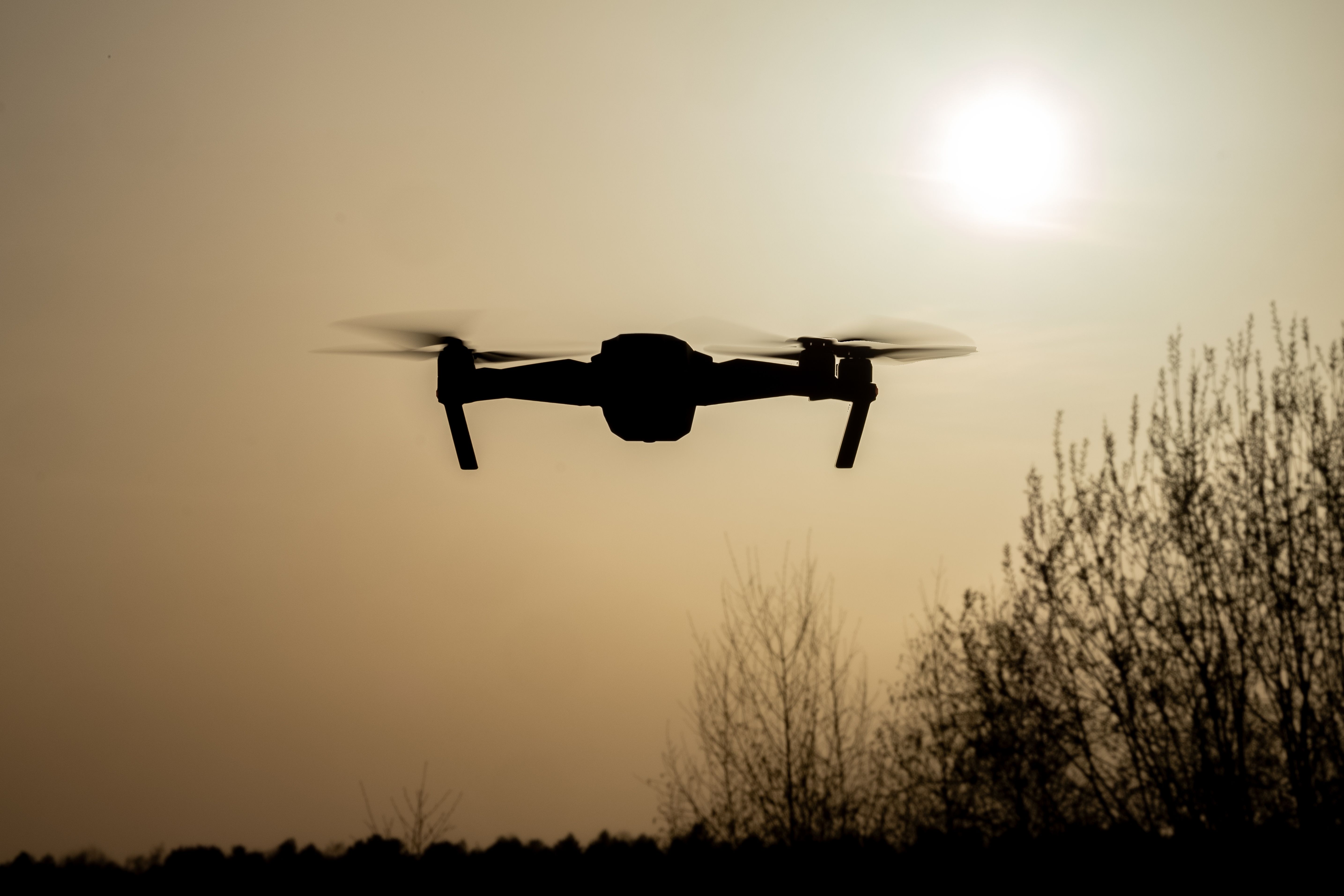
One common myth is that drones can only capture visible light, making them ineffective for thermal imaging. In reality, modern drones equipped with thermal cameras can capture infrared radiation, allowing them to detect temperature variations that are not visible to the naked eye. This capability is crucial for tasks such as identifying heat leaks in buildings or monitoring crop health.
Fact: Versatile Applications
The versatility of drone thermography extends beyond simple temperature detection. It is used in various applications, including:
- Inspecting solar panels for efficiency loss
- Locating missing persons in search and rescue operations
- Monitoring wildlife and their habitats
- Assessing fire damage and hot spots in firefighting
Myth: Drone Thermography is Inaccurate
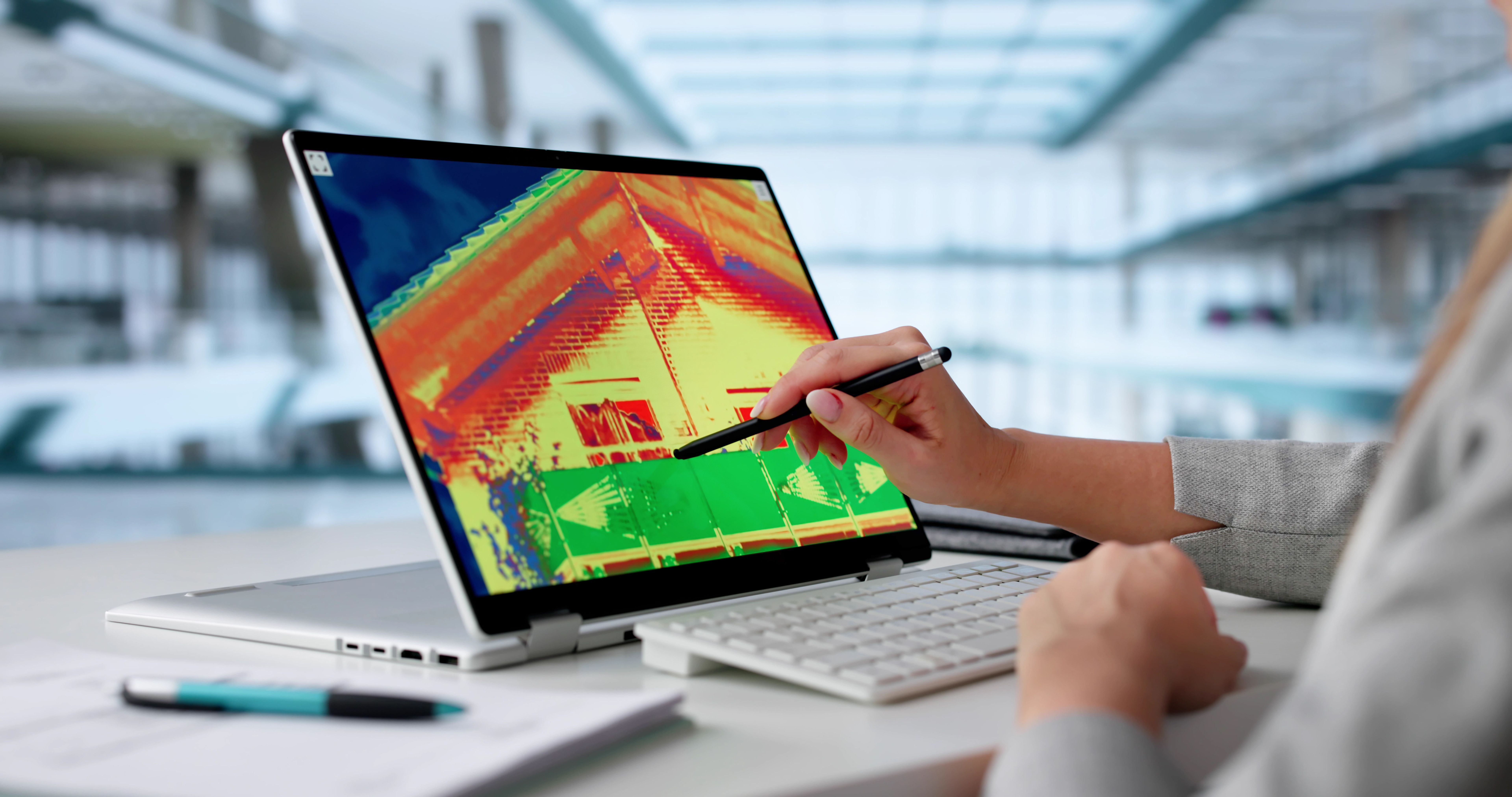
Another myth is that drone thermography provides inaccurate data. This misconception likely arises from a lack of understanding of how thermal imaging works. While it is true that external factors such as weather conditions can influence readings, advancements in technology have significantly improved the accuracy of thermal drones.
Fact: High Precision Technology
Today's thermal cameras are equipped with high-resolution sensors that offer precise temperature readings. By calibrating drones properly and accounting for environmental factors, users can obtain reliable and accurate data. This precision is essential for industries that rely on exact measurements, such as electrical inspections and infrastructure assessments.

Myth: Only Experts Can Use Drone Thermography
Some believe that only trained experts can operate drones for thermography, but this is not entirely true. While professional training can enhance the effectiveness of drone usage, many drones are designed to be user-friendly, with intuitive controls and automated features that simplify the process.
Fact: Accessible Technology
Manufacturers have developed drones with built-in software that assists users in capturing and analyzing thermal images. These tools often include automated flight paths, real-time data analysis, and user-friendly interfaces, making drone thermography accessible to a wider audience. Whether you are a farmer, a building inspector, or a hobbyist, there are options available that suit your needs.
Conclusion
Understanding the myths and facts surrounding drone thermography is crucial for anyone considering its application. By dispelling these misconceptions, we can better appreciate the potential of this technology and how it can benefit various industries. As technology continues to advance, the accessibility and accuracy of drone thermography are only expected to improve.