Unlocking Efficiency: How Thermal Imaging Services Benefit Solar Farms in Queensland


In recent years, Queensland has emerged as a leader in solar energy production, thanks to its abundant sunshine and progressive energy policies. However, as solar farms proliferate across the region, operators face the critical challenge of maintaining efficiency and maximizing output. This is where thermal imaging services come into play, offering a sophisticated solution to enhance the performance of solar farms.
Understanding Thermal Imaging in Solar Energy
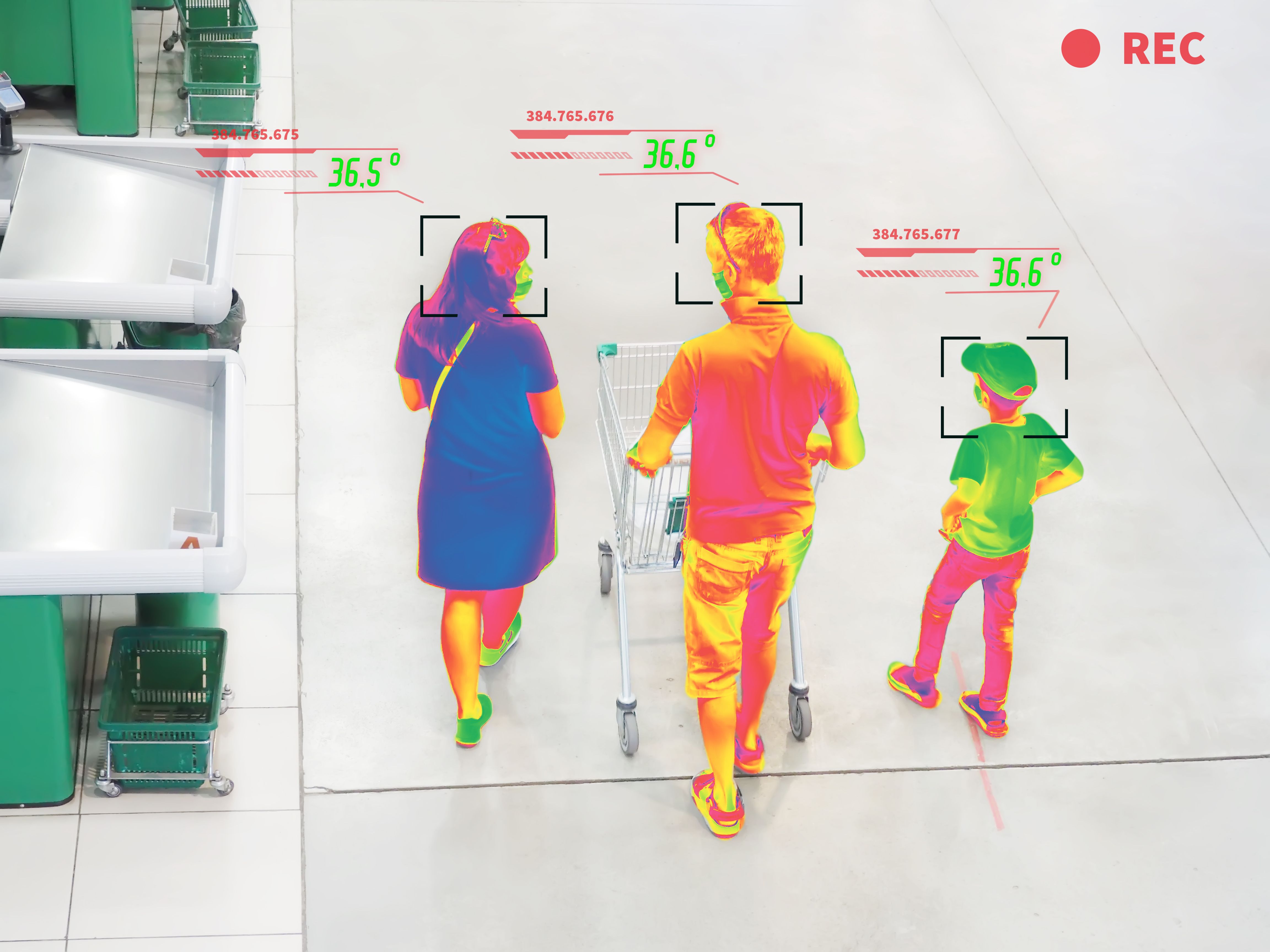
Thermal imaging utilizes infrared cameras to detect heat signatures, making it an invaluable tool for monitoring solar panels. By identifying temperature variations, operators can pinpoint underperforming panels or faulty components. This proactive approach helps to ensure that solar farms operate at maximum efficiency and reduce downtime.
Key Benefits of Thermal Imaging for Solar Farms
The adoption of thermal imaging in solar farms offers several advantages. Here are some key benefits:
- Quick Detection of Hotspots: Quickly identify and address overheating issues in panels.
- Preventative Maintenance: Catch potential problems before they escalate, saving on costly repairs.
- Increased Lifespan of Panels: Regular monitoring can extend the life of solar panels, enhancing ROI.
Enhancing Efficiency and Performance
For solar farms, efficiency isn't just about maximizing energy output; it's also about cost-effectiveness. Thermal imaging provides an accurate assessment of panel performance, allowing operators to make data-driven decisions. This technology helps in optimizing energy production and minimizing waste.

Cost-Effectiveness and ROI
While the initial investment in thermal imaging technology may seem significant, the long-term savings and increased revenue potential are substantial. By preventing energy losses and reducing downtime, solar farms can achieve a higher return on investment. Operators can also allocate resources more efficiently, focusing maintenance efforts where they are needed most.
Environmental and Safety Benefits
In addition to economic gains, thermal imaging services contribute to environmental sustainability. By ensuring solar farms operate efficiently, they reduce the carbon footprint associated with energy production. Moreover, early detection of faults minimizes the risk of fire hazards, enhancing the safety of the entire operation.
Implementing Thermal Imaging Solutions
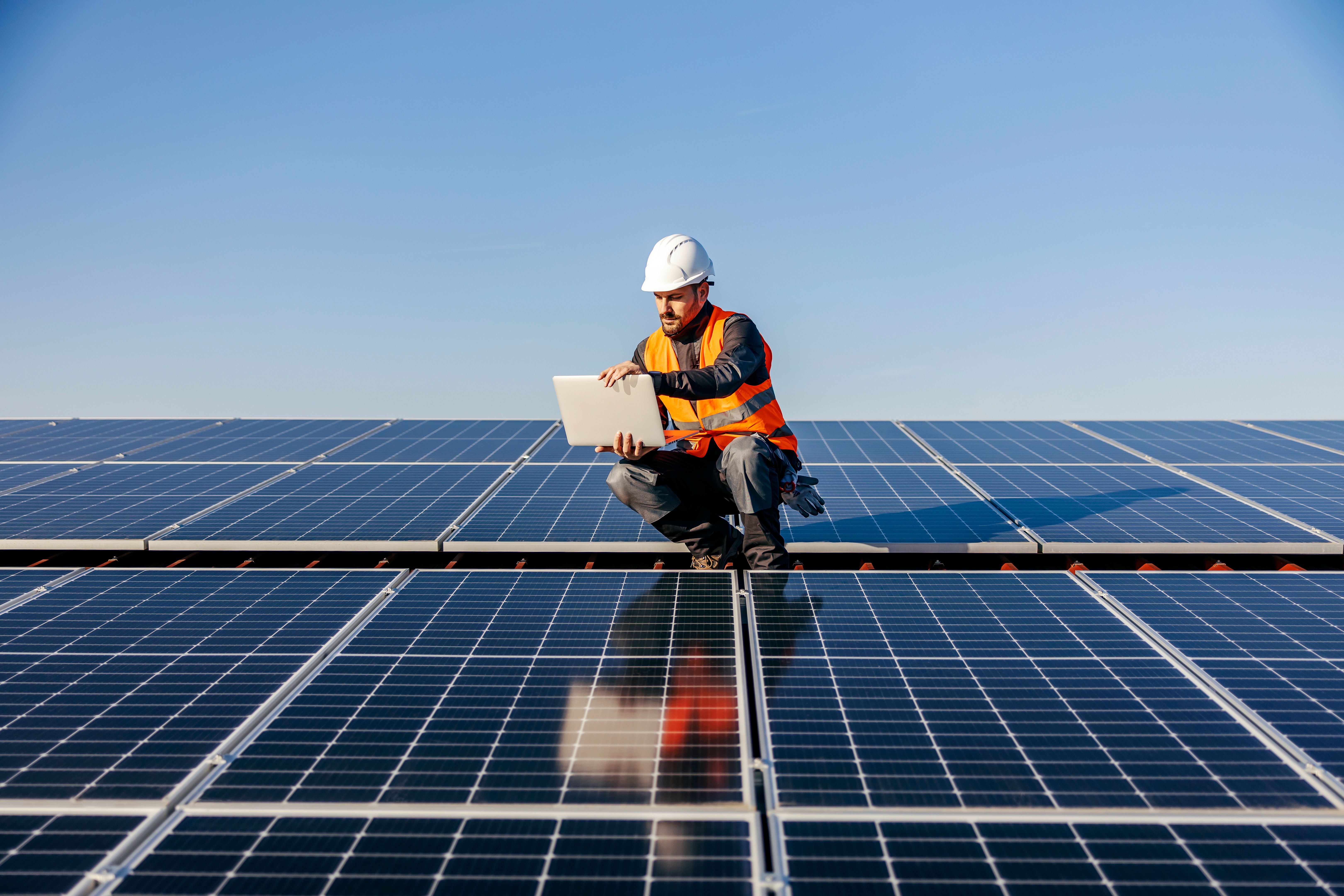
Integrating thermal imaging into solar farm operations requires partnering with experts who can provide tailored solutions. These specialists offer detailed analysis and actionable insights, helping operators implement effective maintenance strategies. Choosing the right service provider is crucial for maximizing the benefits of this technology.
In conclusion, thermal imaging services are transforming the way solar farms in Queensland operate. By unlocking efficiency and boosting performance, they provide a pathway to a more sustainable and economically viable solar energy future. As technology continues to advance, the adoption of thermal imaging in solar farms is expected to become an industry standard, paving the way for continued growth in renewable energy production.